

































‘The Madison’ Arrives: A Divisive Debut for Taylor Sheridan’s Latest Offering
Following a somewhat lukewarm reception to his earlier series, Marshals, Taylor Sheridan, the creative force behind the immensely popular Yellowstone, has unveiled his latest venture, The Madison. This new series has debuted to a decidedly mixed bag of reactions, with critics and audiences finding themselves at odds, praising certain elements while lamenting what some perceive as glaring oversights. The show has been described by The Wall Street Journal as “inert,” a stark contrast to RogerEbert‘s assessment of it as “rock-solid, gripping television.” This divergence in opinion highlights the divisive nature of The Madison.

At its core, The Madison appears to follow the thematic blueprint that propelled Yellowstone to become a television powerhouse. The narrative centres on a family forced to unite and adapt to survive within a contemporary, neo-Western American landscape. However, it’s crucial to note that, despite initial intentions, The Madison is not integrated into Sheridan’s established interconnected universe. Instead, it charts a more focused, character-driven exploration of loss and familial reckoning.
What is ‘The Madison’ About?
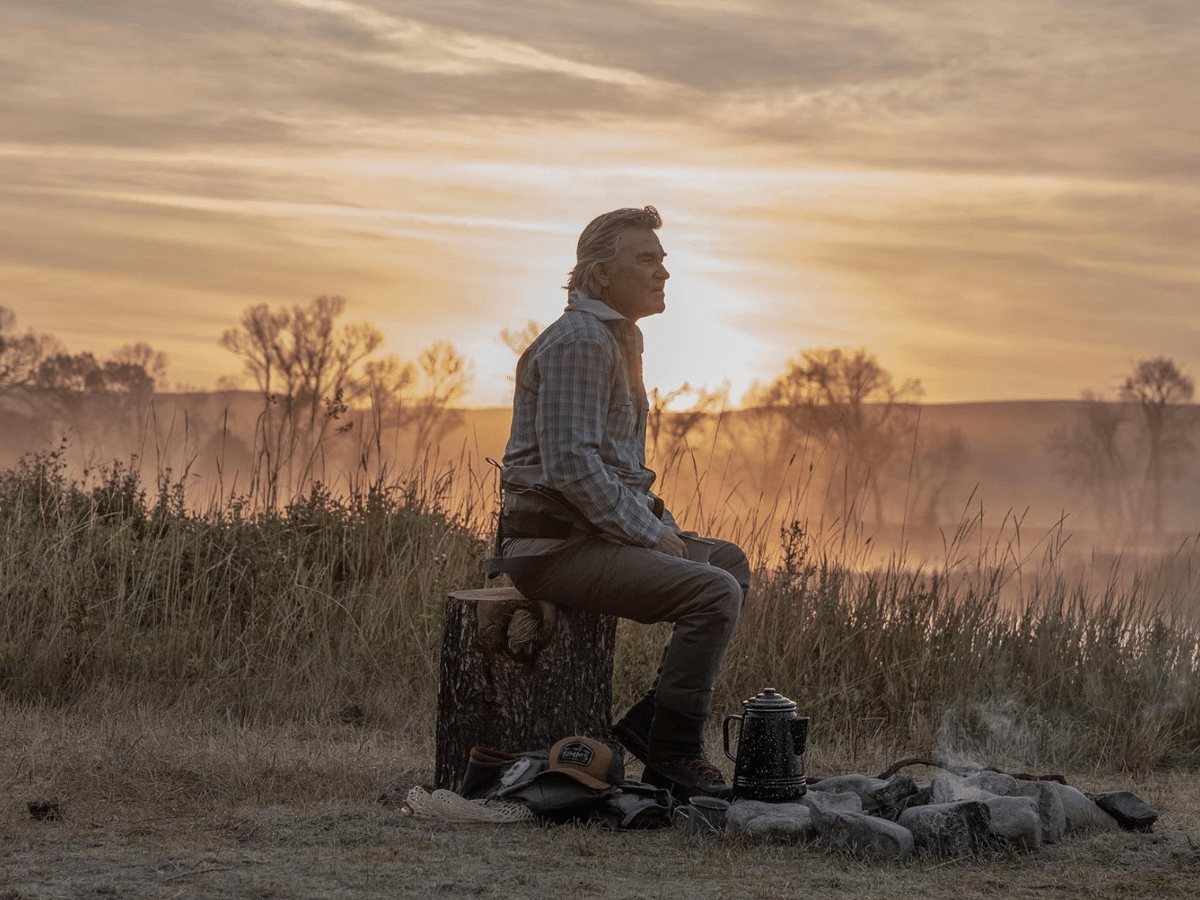
The series opens with Stacy Clyburn, portrayed by Michelle Pfeiffer, and her family immersed in the vibrant, fast-paced rhythm of New York City. Her husband, played by Kurt Russell, harbours a deep yearning for a more tranquil existence, frequently escaping to Montana for solitary fishing trips with his brother – an activity that holds little appeal for Stacy or their children. A profound tragedy, however, compels the Clyburns to travel to Montana to lay their father to rest in the place he considered his true home. It is here they are introduced to a slower, more grounded way of life, trading the urban sprawl of Madison Square for the serene expanse of the Madison River.

This dramatic shift is intended to be a profound emotional journey through grief. Yet, critics argue that the series falters under the weight of heavy-handed dialogue, underdeveloped characters, and an apparent disdain for perspectives that deviate from more traditionalist viewpoints. While some hail it as Sheridan’s finest work, others see it as a magnification of his most recognisable, and perhaps least effective, stylistic tendencies.
The series has garnered a respectable IMDb score of 8.0, while Rotten Tomatoes’ critic aggregate, the Tomato Meter, stands at 59 per cent. Audience reception, as measured by the Popcorn Meter, is currently at 75 per cent, with a user score of 5.5 on Metacritic.
Despite the divided critical landscape, The Madison has proven popular enough to warrant a second season, which has already been greenlit and, reportedly, filmed concurrently with the first. This suggests that viewers may not have to endure an extensive wait to discover the further adventures of the Clyburn family.
For a deeper dive into the critical and audience responses to The Madison, read on.

Critical Acclaim: What the Reviewers Praised
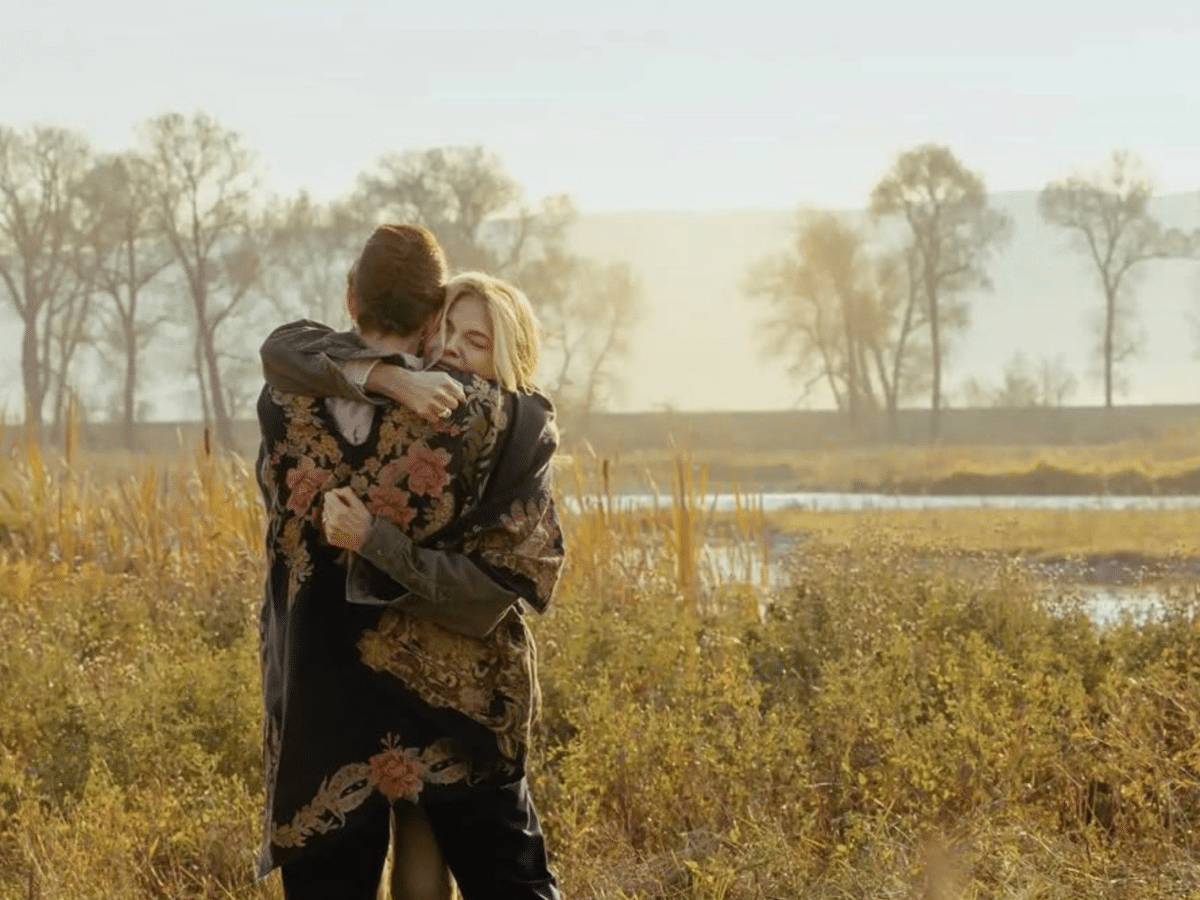
While the overall sentiment surrounding the initial six episodes of The Madison is decidedly mixed, several aspects have garnered significant praise, particularly its poignant depiction of grief and the restorative influence of the natural world. The cinematography, in particular, has been singled out for its exceptional quality. The Madison is, by all accounts, a visually stunning series.
As The Hollywood Reporter observed, this aesthetic success is largely attributable to the director, Christina Alexandra Voros, a seasoned cinematographer who brought a meticulous eye for shot composition to the project. The result is a series that stands among the most visually arresting on television today, featuring breathtaking vistas rendered in exquisite detail, alongside intimate moments that are given ample space to resonate through thoughtful camerawork.
As The Hollywood Reporter eloquently put it, “(Voros) captures every frame rapturously, using lens flare and even lens flare rainbows as optical punctuation.”
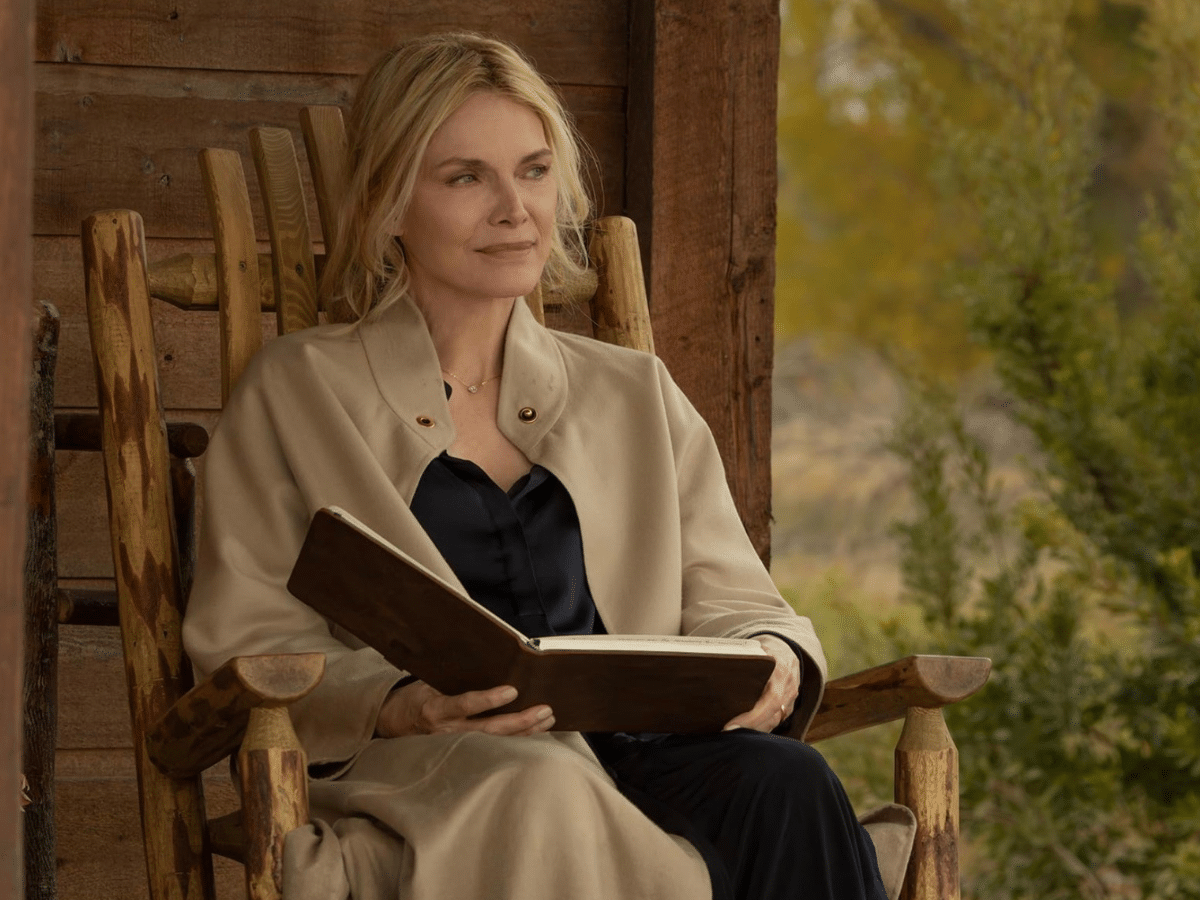
However, the most consistently lauded element of The Madison is undoubtedly the performance of Academy Award winner Michelle Pfeiffer. The Playlist noted that the series’ greatest strength lies in “getting to watch Pfeiffer cook across six episodes,” proclaiming that “(she) is the only real thing in a show otherwise detached from reality.”
HuffPost echoed this sentiment, highlighting Pfeiffer’s portrayal of Stacy as the sole female character possessing genuine complexity, a feat achieved through a “messy and captivating” performance. Across the six episodes, Pfeiffer masterfully conveys the profound grief of a recently widowed mother, while simultaneously navigating her character’s evolving appreciation for a world she once hesitated to share with her late husband. It’s a delicate balance, but one Pfeiffer manages with remarkable grace.
Critical Criticism: Where ‘The Madison’ Fell Short
While Pfeiffer’s performance shines brightly, the narrative material she is tasked with inhabiting has drawn considerable criticism. The consensus among most critics is that The Madison‘s primary weakness lies in its script and storytelling. The series is perceived as prioritising one-dimensional caricatures over fully realised, relatable characters. Furthermore, its heavy-handed narrative style is seen as an unsubtle attempt to impose Sheridan’s characteristic conservative worldview, often described as a “frontier-facing” perspective.
Empire offered a particularly sharp critique, stating, “(Kurt) Russell aside, no-one else in the cast is anywhere near her level. It’s like Pfeiffer is in a different show entirely, playing a suffering matriarch on HBO while Elle Chapman and Beau Garrett bring a dull, low-level Netflix quality to what’s at hand.”
It is worth noting that, unlike Marshals, Sheridan penned every episode of The Madison, which may explain its concentrated distillation of his personal stylistic choices. The show is divided between two primary settings: New York City and Montana. While the city dwellers are consistently depicted as unlikeable and privileged, the residents of Montana are presented as embodying an innate, “salt-of-the-Earth” wisdom, suggesting a level of inner understanding unattainable by their urban counterparts. Sheridan’s writing often lacks nuance, and in The Madison, this perceived deficiency feels particularly pronounced.
Pajiba summarised this sentiment with a scathing observation: “Everyone recoils when they realise the steak on their plate is elk. It’s that kind of show: Sheridan moralising about how much richer and realer it is to live in rural Montana than in New York City, where Black men randomly punch white women in the street. It’s obnoxious as hell.”
Audience Reactions: The View from the Stalls
Critics and audiences do not always align, and while The Madison represents a departure from the action-heavy nature of Sheridan’s previous works, it’s evident that loyal fans have found elements to appreciate.
One commenter on Reddit’s r/TheMadisonTVSeries subreddit shared, “(The Madison is) honestly some of Sheridan’s best work. It’s a completely different vibe compared to the more outlandish, action-packed and sometimes cheesy series he usually writes.” Another viewer admitted to being initially deterred by negative reviews but found the show to be “far better than expected” and that the “‘NYC is the Devil’ bits weren’t as horrible as made out.”
However, on the broader r/Television subreddit, the series has been met with considerably more criticism, largely echoing the points raised by professional reviewers, albeit with less restraint.
One user expressed their frustration by stating, “I can’t tell if Sheridan is a bad writer that got lucky a few times or a good writer that realised audiences are too dumb to care if the writing is good. The only thing I do know is that his projects are an excuse to soapbox his dumb opinions and objectify women.” Another viewer indicated they abandoned the series after just two episodes.
Where to Watch ‘The Madison’
Curious to form your own opinion? The Madison is available to stream in Australia on Paramount+. The series premiered on March 14, 2026, with all six initial episodes ready for your viewing pleasure.



















