

































BMW’s Hesitation on Range-Extended EVs: A Strategic Re-evaluation
The automotive landscape is in a constant state of flux, with manufacturers grappling with evolving consumer demands and technological advancements. While some carmakers are embracing the trend of extended-range electric vehicles (EREVs) – essentially electric cars with a small internal combustion engine acting as a generator – BMW, a pioneer in this segment with its i3 hatchback, is taking a more cautious approach. The German automaker has indicated that while it possesses the capability to reintroduce range-extender technology, it remains unconvinced of its current necessity.
This strategic pause comes at a time when other manufacturers, from emerging brands like Scout to established players like Ford, are actively exploring or launching EREV models. This resurgence of interest in the format, which offers a potential solution to range anxiety without complete reliance on charging infrastructure, has prompted a re-evaluation within BMW.

In a recent discussion, Bernd Körber, BMW’s product boss, shared the company’s perspective. He confirmed that BMW is technologically open to developing range-extended vehicles, stating, “In theory, we are capable of REx if we want to do so. By nature, being technology open means we’re looking into these topics, but no decisions have been made.”
The Case for and Against Range Extenders
Körber elaborated on the conditions under which BMW might consider reintroducing range extenders. A primary driver would be if their purely electric models fail to meet sales expectations. He also pointed out that integrating a range extender into an existing electric vehicle platform would not present a significant technical hurdle for BMW, as “it’s easy to derive an REx from an EV.”
However, the question of genuine need looms large. BMW’s latest electric vehicles boast impressive WLTP ranges exceeding 805 kilometres (500 miles) and feature ultra-fast 400-kilowatt charging capabilities. This raises the pertinent question: is the added complexity and cost of a range extender truly justified in today’s market?
The argument for EREVs often centres on providing peace of mind for drivers in areas with less developed fast-charging infrastructure. Yet, the reality is that charging networks in both Europe and the United States are steadily improving. Furthermore, EV technology has advanced dramatically since the i3 first hit the market over a decade ago.
A Look Back at the i3 REx
When the BMW i3 was launched in 2014, charging networks were considerably less extensive, and the vehicle itself had a relatively small battery. The i3 REx, with its real-world range of approximately 130 kilometres (80 miles) from its battery, benefited significantly from an additional 145 kilometres (90 miles) provided by a compact, motorcycle-derived engine acting as a generator. This combination offered a substantial boost in usability for many drivers.
However, BMW eventually phased out the REx variant of the i3 in 2018. This decision coincided with a significant update to the model, which included an increased battery capacity to 42.2 kWh, pushing the claimed WLTP range to 310 kilometres (193 miles). This advancement in battery technology reduced the perceived need for the range-extending generator.
The EREV Resurgence and BMW’s Future Outlook
Since the i3 REx’s departure, there haven’t been many EREV models launched in Western markets. The Mazda MX-30, which featured a rotary engine as its generator, is one notable example, though it saw limited commercial success. While some hybrid systems, like Nissan’s e-Power, could be loosely categorized as offering range extension, dedicated EREVs have been scarce.
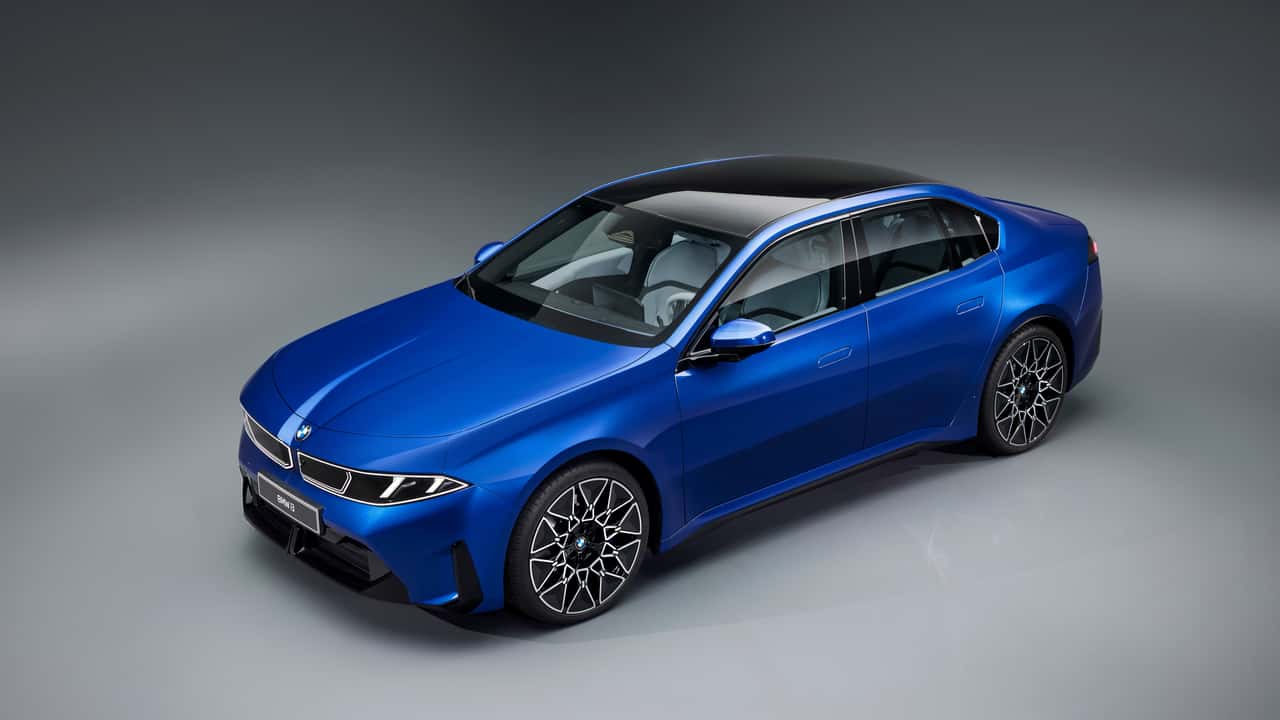
Despite this, the EREV concept appears to be experiencing a revival. Brands such as Scout, Ram, Jeep, and Hyundai are slated to introduce such models in the near future. Reports from November indicated that BMW was exploring the possibility of offering range-extender versions of its X5 and 7 Series models, specifically targeting the Chinese market. BMW’s official response to these rumours was characteristically measured, stating that it “continuously analyzes usage patterns, customer needs and market developments and reviews the market potential of various technologies.”
Echoing this sentiment, Körber reiterated to BMW Blog that if a substantial market for EREVs materialises, BMW would certainly consider developing such offerings. However, he stressed that for range extenders to align with BMW’s brand ethos, they must complement the company’s core vision for driving dynamics and performance.
“The question would be the characteristics of the REx, because we have certain prerequisites when it comes to how does a BMW drive,” Körber explained. “We would have to look into the drivetrain that we can tune toward being something we can put our brand on—that would be our requirement.” This suggests that any future EREVs from BMW would need to deliver a driving experience that is unmistakably “BMW,” regardless of their powertrain configuration. The company’s commitment to its brand identity remains paramount in its decision-making process, even as it navigates the rapidly evolving world of electrified mobility.



















