

































BMW Ditches Chrome for Cutting-Edge Lighting in Electric Future
For decades, a gleaming chrome finish has been synonymous with automotive luxury, a hallmark of sophisticated vehicle design. However, German automotive giant BMW is charting a new course for its next generation of electric vehicles (EVs), opting to leave the traditional shiny metal behind. Instead, BMW is embracing the power of light to define key design elements in its upcoming ‘Neue Klasse’ EV lineup, including the brand’s iconic double kidney grille.
This significant shift in design philosophy was subtly foreshadowed with the global unveiling of the second-generation iX3 SUV last year. Now, BMW’s design team has officially confirmed this direction as the brand gears up for the rollout of its new Neue Klasse models, with the i3 sedan being the latest example.
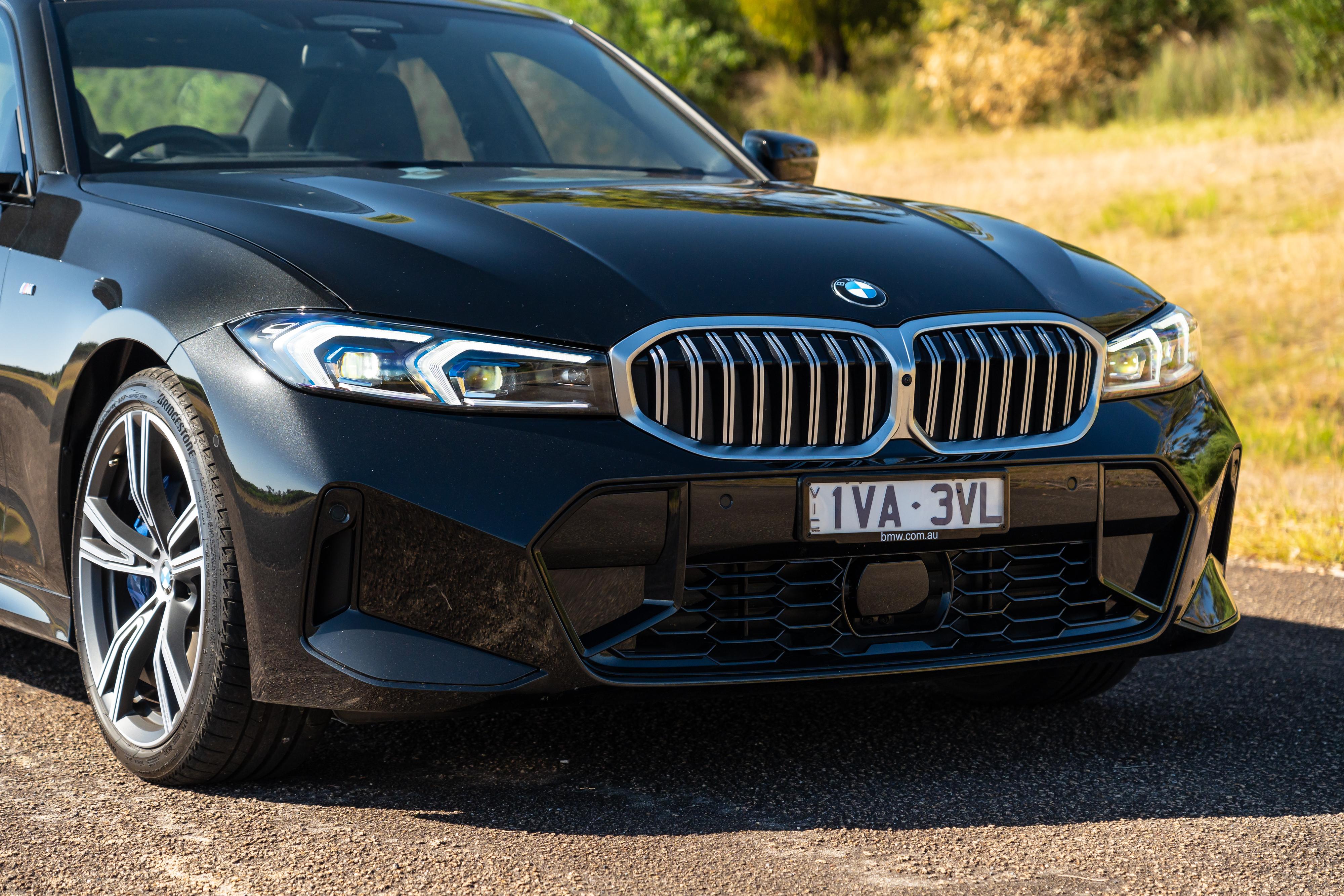
Both the iX3 and the new i3 are striking in their absence of chrome, extending from the front fascia to the rear. In place of the chrome grille surrounds that adorned previous iterations, such as the pre-facelift ‘G20’ 3 Series models, these new EVs feature sophisticated LED light strips. The iX3 has also debuted a redesigned badge, which notably omits the inner chrome ring and crossbars present in its predecessor.

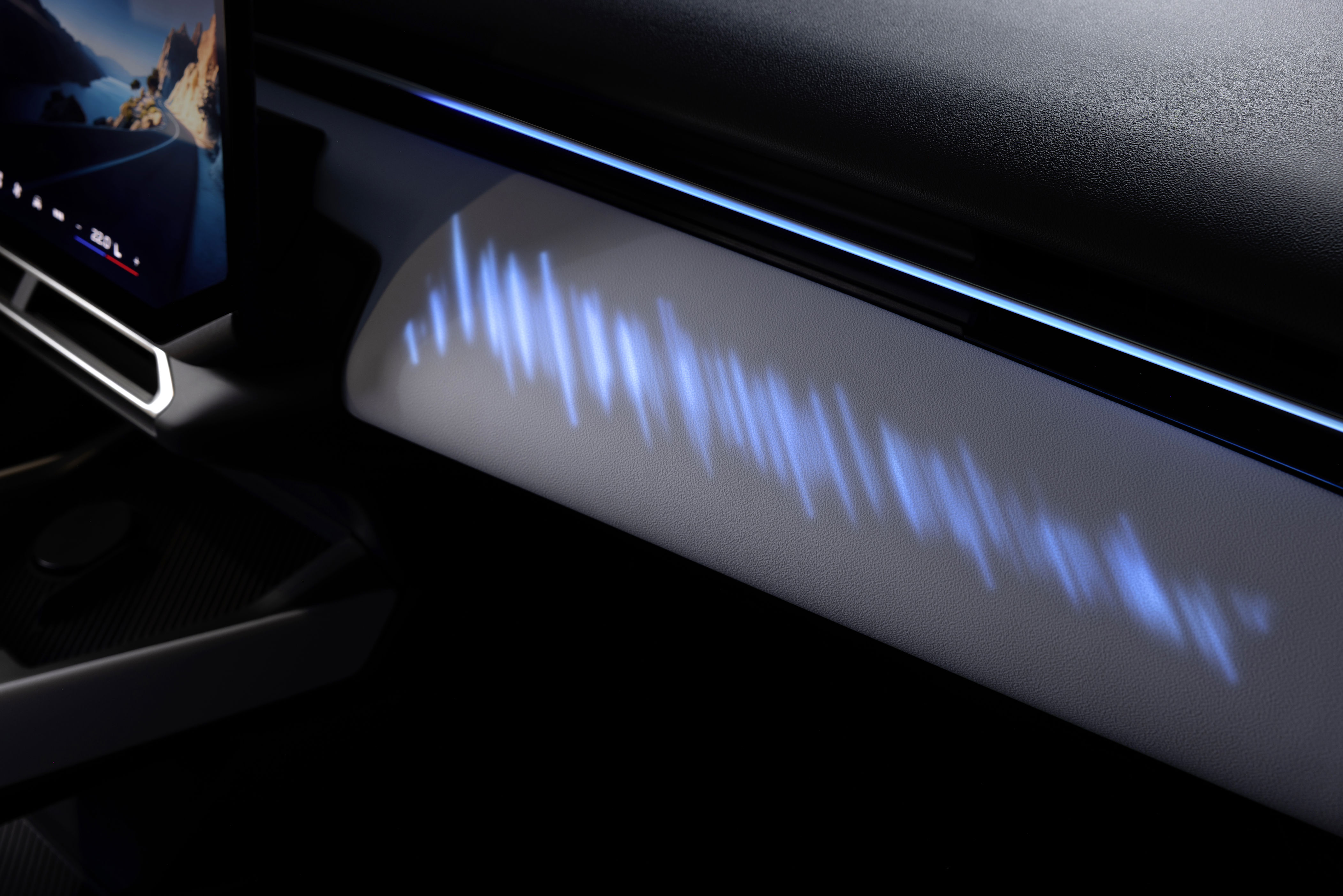
The innovative use of light extends beyond the exterior, playing a crucial role in the Neue Klasse interior design. Ambient lighting is a central feature, enhanced by the incorporation of advanced materials that allow illuminated patterns to gracefully shine through cabin panels, creating a dynamic and personalised atmosphere.
Sebastian Kroes, head of interior design for BMW’s Neue Klasse, elaborated on this design evolution. “It was not one decision,” he stated, explaining that the move away from chrome has been a gradual process across previous generations. “We have reduced the chrome step by step, and we thought this is definitely the right way to go.”
This departure from chrome by BMW comes at a time when competitors are exploring different design avenues. Mercedes-Benz, for instance, is preparing to launch its GLC with EQ Technology, featuring what it describes as a “brand-defining chromed grille” with a substantial chrome frame and a “smoked-glass look mesh structure.” In contrast, Audi has long championed light-centric design principles, although perhaps not to the same extent as seen in the new i3 and iX3.
According to Mr Kroes, the decision to move away from traditional automotive luxury cues was a deliberate choice to better express the technological underpinnings of the Neue Klasse models. This emphasis on light is intended to enhance the vehicle’s aesthetic appeal both during daylight hours and, perhaps more significantly, after the sun sets.
“With the new Neue Klasse platform, we want to express its digitality and electricity through the light experience,” Kroes explained. He highlighted that this approach unlocks new possibilities for customer interaction and visual expression. “It also enables us to offer certain experiences that we were not able to offer using just chrome. Chrome doesn’t work at night. Light does.”
Beyond aesthetics, the integration of light is also about enhancing the user experience. “Another thing that’s important to us is the user experience,” Kroes added. “And when you approach the car, then the car will start up and welcome you.” This interactive lighting system aims to create a more engaging and personal connection between the driver and their vehicle.
The 2027 i3 also represents a significant milestone for BMW, marking the first time the brand has offered a fully electric version of its highly acclaimed 3 Series. This model line has long been a cornerstone of the premium Bavarian marque, and its electrification signifies a pivotal moment in BMW’s transition to sustainable mobility.
This new i3 is part of an ambitious product offensive, with BMW planning to release 40 new or updated models by the end of 2027. Many of these vehicles will adopt the Neue Klasse design language, including sleeker grilles that draw inspiration from iconic BMW models of the 1970s.
Following its official unveiling, the new i3 is slated to commence production in August 2026, with its arrival in global markets, including Australia, expected in early 2027. This strategic shift towards light-based design and electrification underscores BMW’s commitment to innovation and its vision for the future of premium electric mobility.


















