

































For years, I was the life of the party, the friend who always said yes. My social calendar was a whirlwind of events, a testament to a vibrant and outgoing personality that thrived on connection. This constant engagement fuelled me, providing a sense of purpose and vitality. However, the very things that once brought me joy gradually became the source of my deepest struggles.

In 2023, at the age of 25, I received a formal diagnosis of endometriosis following a long-awaited laparoscopy. This diagnosis came after a protracted period of being dismissed by the medical community, a frustrating reality many women with chronic illnesses unfortunately face. My journey to this point was littered with referrals to various specialists and a string of misdiagnoses, all stemming from my often vague symptoms. I was told everything from “pelvic inflammatory disease” to simply “painful periods.” One particularly memorable encounter involved a male doctor attributing my chronic pain to constipation, a suggestion I found less than helpful.
Since my initial diagnosis, I’ve undergone further medical interventions, including another resection surgery in February of this year. This marks my second surgery since 2023 and my third in the past decade. While the earlier procedures lacked a clear diagnosis, the last two have at least provided a framework for understanding the persistent challenges I face. Endometriosis, it seems, is a condition that continues to present new hurdles.
But this isn’t the whole story. There’s a significant, often unspoken, dimension to living with chronic illness that many people don’t fully grasp. It’s a narrative of isolation, a reality experienced by countless individuals navigating the complexities of long-term health conditions.
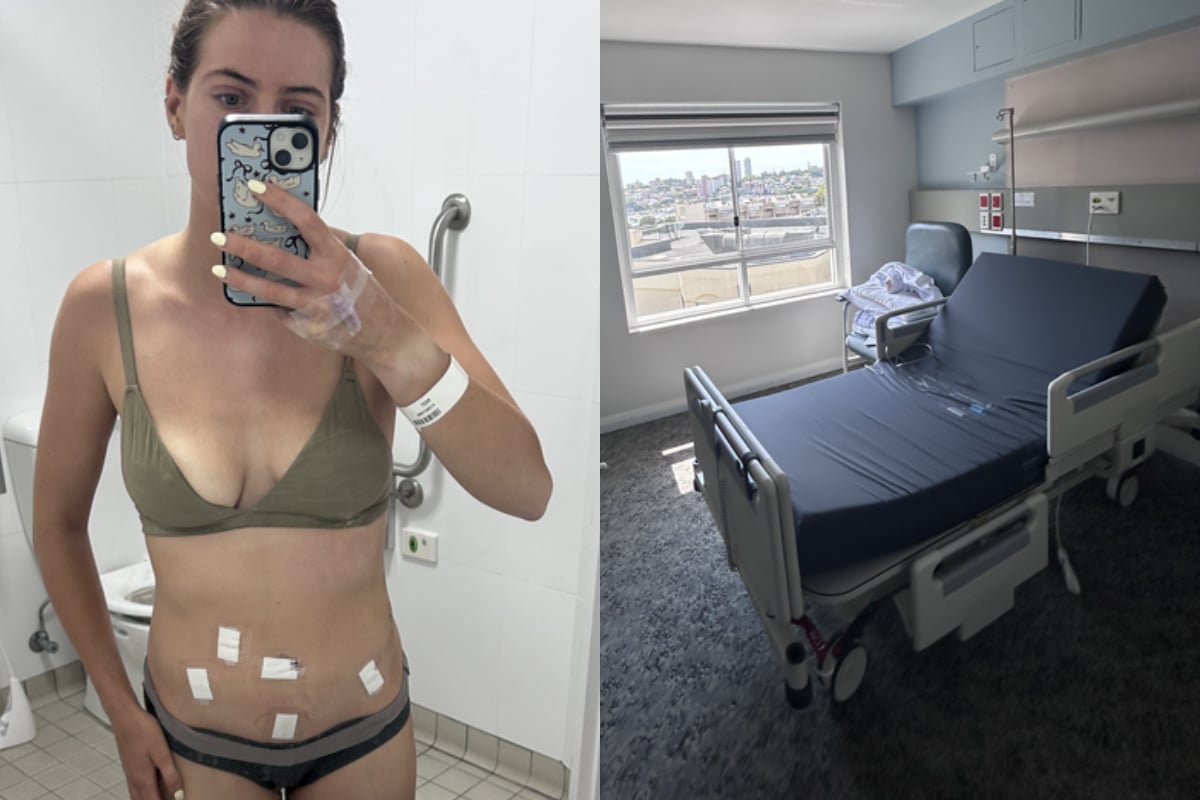
I’ve had two resection surgeries since diagnosis. Image: Supplied.
The Unseen Toll: The Cycle of Chronic Illness and Isolation
Let’s rewind to the point where the shift began. You’ve established yourself, your social life is a carefully curated masterpiece, and your diary is packed seven days a week. Your friends expect this version of you, the one who’s always available, always up for anything.
Then, your body starts to change. New symptoms emerge – chronic pelvic pain, overwhelming fatigue. Suddenly, you’re cancelling plans, feeling like a flake, and experiencing the sting of not being understood. This marks the beginning of a relentless cycle.
The ingrained habit of making plans persists. You find yourself resenting your body for these inconveniences, clinging to the hope that “next week will be better.” You continue to make arrangements, only to cancel them repeatedly. As this pattern continues, people begin to perceive you as unreliable, even reclusive, a stark contrast to the person you once were.
The cycle intensifies. You force yourself to make plans, leading to profound exhaustion. The person who once thrived on conversation now finds it draining. Self-criticism takes hold, and the feeling of being misunderstood deepens. In these moments, you feel truly alone, with no one reaching out.
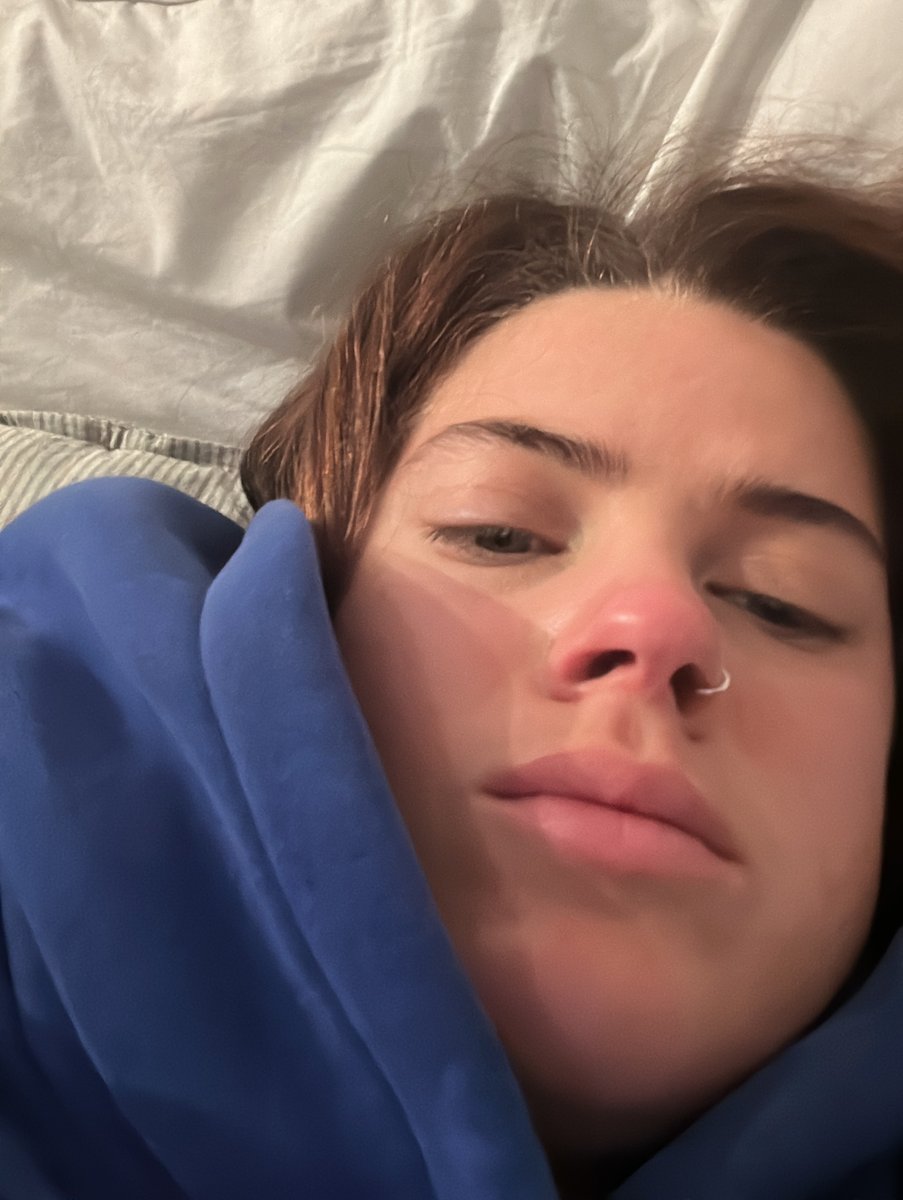
Chronic illness is a tale of isolation. Image: Supplied.
Your body becomes unpredictable, and consequently, so do you. Not only do you struggle to recognise yourself, but your friends also find it difficult to connect with this new reality. You try to explain your pain and fatigue, but often face well-intentioned but unhelpful suggestions: “Just come for a bit,” “Take some paracetamol and have a drink,” or “You have to come, everyone will be there.” The pressure to participate, coupled with a lack of internal permission to truly rest, prevents genuine recovery.
This leads to a gradual withdrawal. You start taking pain killers, supplements, and various holistic remedies. You rely on heat packs and hot water bottles to manage discomfort. Your body may swell, making your usual clothes feel tight, and the desire to “dress up nice” fades. You might explore restrictive diets, forcing you to stop eating out. Giving up alcohol often leads to a barrage of questions, making you feel like an outsider, judged and ostracised for being different.
Eventually, you stop making plans altogether. The unpredictability gives way to a predictable pattern of staying home, seeing no one. You’ve established a new norm, a protective shield against the disappointment of your body’s limitations. You retreat, hibernating from the world.
The Post-Surgery Rollercoaster and the Lingering Shadow of Pain
There are moments of hope, often following surgery. Friends rally, exclaiming, “You’re finally going to be pain-free!” While the immediate pain might subside, a persistent anxiety lingers, the fear of its return. You might experience a period of respite, allowing you to reconnect with lost social ties and feel a sense of returning to “normality.” You’re almost free from the perceived prison of chronic pain.
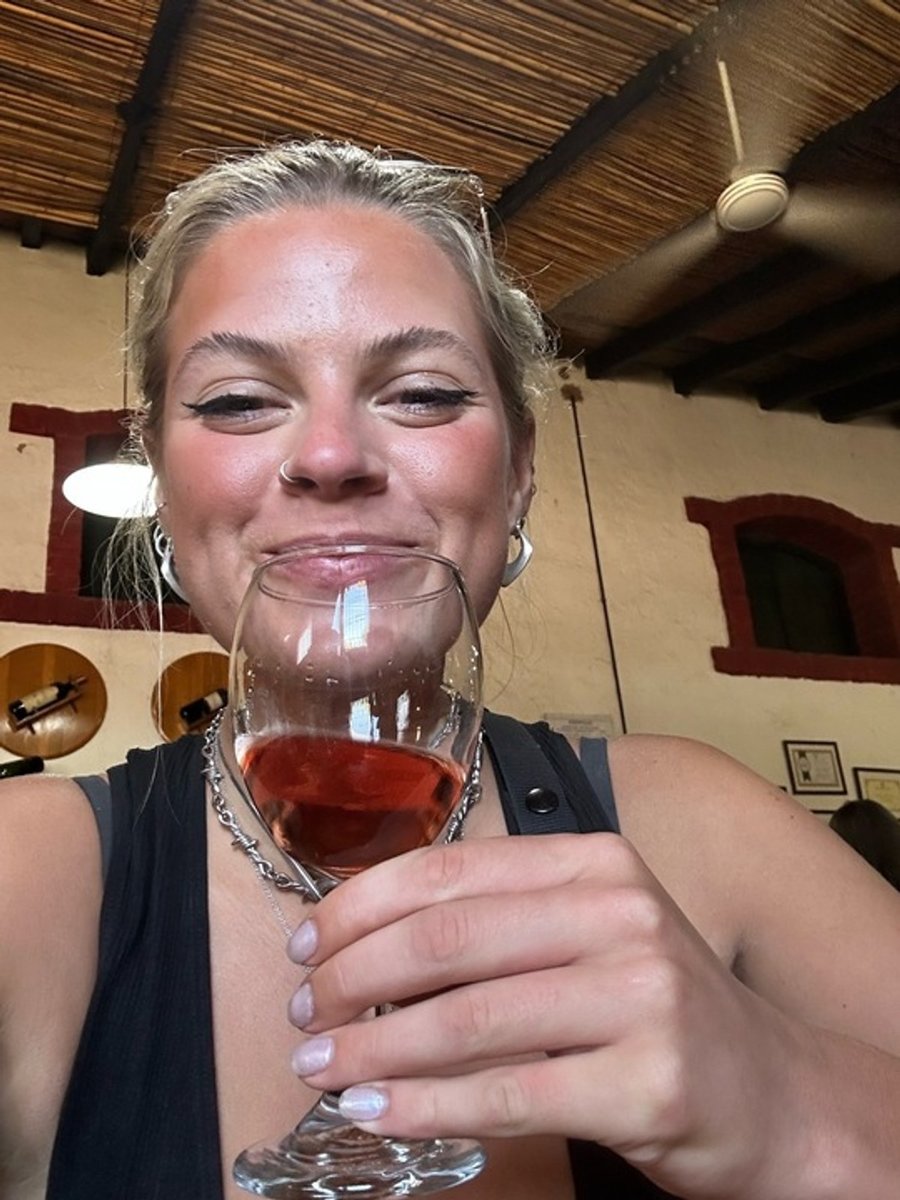
Treatment can provide some respite — but it is short-lived. Image: Supplied.
However, in the quiet corners of your mind, the threat of pain remains. It waits, ready to resurface, often starting as a subtle whisper before escalating into a debilitating expanse. You find yourself back where you began, but with a diminished capacity to fight.
Another surgery looms. This time, the expectation of a complete end to pain is tempered by experience. You question if the pain is psychosomatic, a manifestation of your mind rather than a physical reality. Upon waking, you’re informed that lesions were found and removed. You take a deep breath, trying to embrace the relief.
Yet, when the pain inevitably returns, doubt creeps in. Were you misled? You feel numb, regressing once more. You try to maintain a positive outlook, to trust the medical process and the experts. But once again, you are isolated in your suffering.
This is the familiar path of isolation that accompanies chronic illness. You develop resentment towards a body you can no longer trust. You grieve for the experiences you’re missing and mourn the person you once were, the person you can no longer be.
Unspoken Words: What I Wish I Could Have Said
My experience of isolation, a reflection of the narrative above, is not unique. It’s a common thread woven through the lives of many battling chronic illnesses in myriad ways. Opening your life to others is relatively easy; allowing them into your pain, your struggles, and your darkness is a profoundly arduous task. Few people truly earn the right to share in such vulnerability.
There are so many things I wish I had the energy to articulate, words that only become clear in retrospect. My most significant unspoken pleas were these:
- Grant me permission to be tired. Don’t expect constant energy or availability.
- Be the one to suggest I stay home. Encourage me to cancel plans and prioritise self-care.
- Avoid guilt-tripping me. Don’t focus on what I’m missing out on.
- Understand my cancellations. If I cancel, it’s because I truly have no other choice.
- Distinguish sympathy from empathy. While you can sympathise, true empathy for my experience is rare.
- Acknowledge that surgery isn’t a cure-all. Understand that I will likely still experience pain.
- Be patient with my non-linear pain. There often isn’t a clear trigger, and this unpredictability is deeply frustrating.
- Recognise the toll on my mental health. I feel trapped in my own body. Your presence and love are crucial.
- Ask about fertility and family planning if you must, but never offer unsolicited advice.
- Listen when I say, “I am still here. I just need to re-find myself.”
Beyond Awareness: The Need for Deeper Understanding
Globally, endometriosis affects approximately 10 per cent of women and girls of reproductive age, with one in seven Australian women living with the condition. While I’m encouraged by the growing awareness surrounding endometriosis, we must go further.
Following awareness, genuine understanding is paramount. This means recognising that when a friend or family member withdraws, it is not a reflection of your relationship with them.
By sharing my story, and the stories of so many others, I hope to shed light on the pain, fatigue, and loss of self that chronic illness can inflict. We don’t want to be defined by these conditions. We aspire to thrive in spite of them, and in the process, rediscover who we are.
Feature image: Supplied.



















