The Search for the Missing F-15 Crew Member
As U.S. and Israeli forces continue their search for an F-15 crew member who was forced to eject after being shot down over Iran, President Donald Trump has remained cautious in his public statements regarding potential actions if the missing pilot is harmed. In a brief phone interview with a news outlet, the president declined to specify what the U.S. would do if Iranian forces were to capture or harm the aviator.
This situation marks the first time an American aviator has been shot down over enemy territory since 2003, when an A-10 “Warthog” pilot ejected into Iraq during Operation Iraqi Freedom. Trump’s response to questions about the pilot’s safety was limited, as he stated, “Well, I can’t comment on it because — we hope that’s not going to happen,” before ending the call.
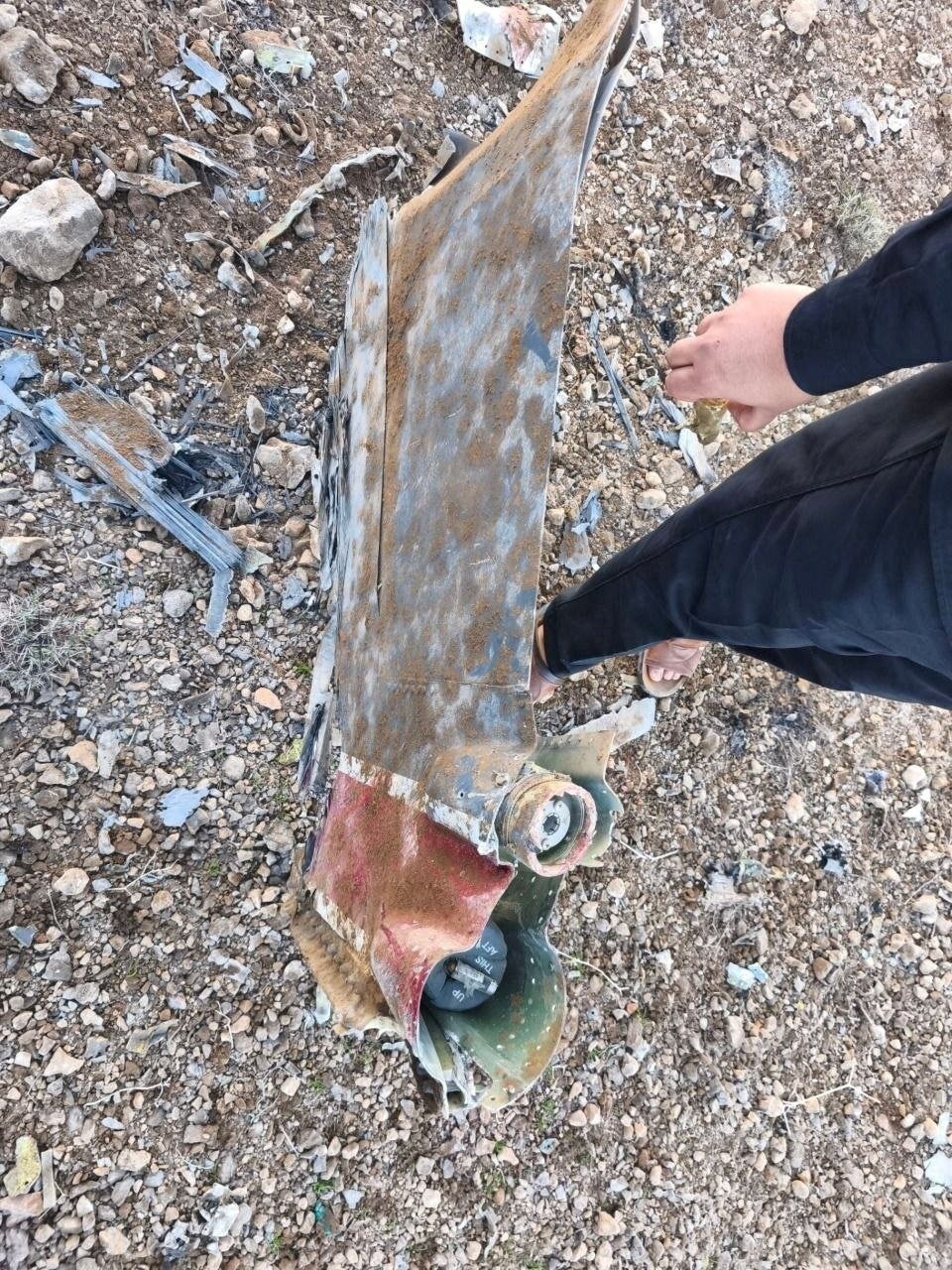
The search for the missing crew member is being conducted by Combat Search and Rescue forces from both the United States and Israel. This operation follows the incident where the two-person F-15 fighter jet was shot down over Iranian territory. Since then, Iranian state television has urged residents to turn in any “enemy pilot” to the police, offering a reward for those who do so. Additionally, the governor of Iran’s Kohgiluyeh and Boyer-Ahmad Province has promised special commendation for anyone who captures or kills the downed aviator.
The Context of the Conflict
The downed F-15 is the fourth American fighter aircraft lost since Trump initiated a large-scale air campaign against Tehran on February 28. Three U.S. F-15E Strike Eagle jets were previously downed by friendly fire over Kuwait in March. One of the pilots from the recent incident was found by rescue crews shortly after the event, while the second pilot, a weapons system officer, remains missing. U.S. forces are working urgently to recover the pilot before Iranian forces can reach them, with Israel assisting in the search and rescue operation.
Despite the ongoing crisis, Trump has not made any public statements about the shoot-down, even though White House officials have confirmed he was briefed earlier in the day. Instead, he continued to post on his Truth Social account, advocating for the seizure of Iran’s natural resources, writing: “TAKE THE OIL, ANYONE?”
Continued Military Actions and Public Statements
Trump has not appeared publicly since late Wednesday, when he delivered a disjointed national TV address reiterating his justifications for the war with Iran. During this speech, he claimed that “never in the history of warfare” had “an enemy suffered such clear and devastating, large-scale losses in a matter of weeks.” He also asserted that Iran’s Air Force, Navy, and ballistic missile capabilities were “in ruins” and “gone,” respectively, and declared that the U.S. had “beaten and completely decimated Iran.”
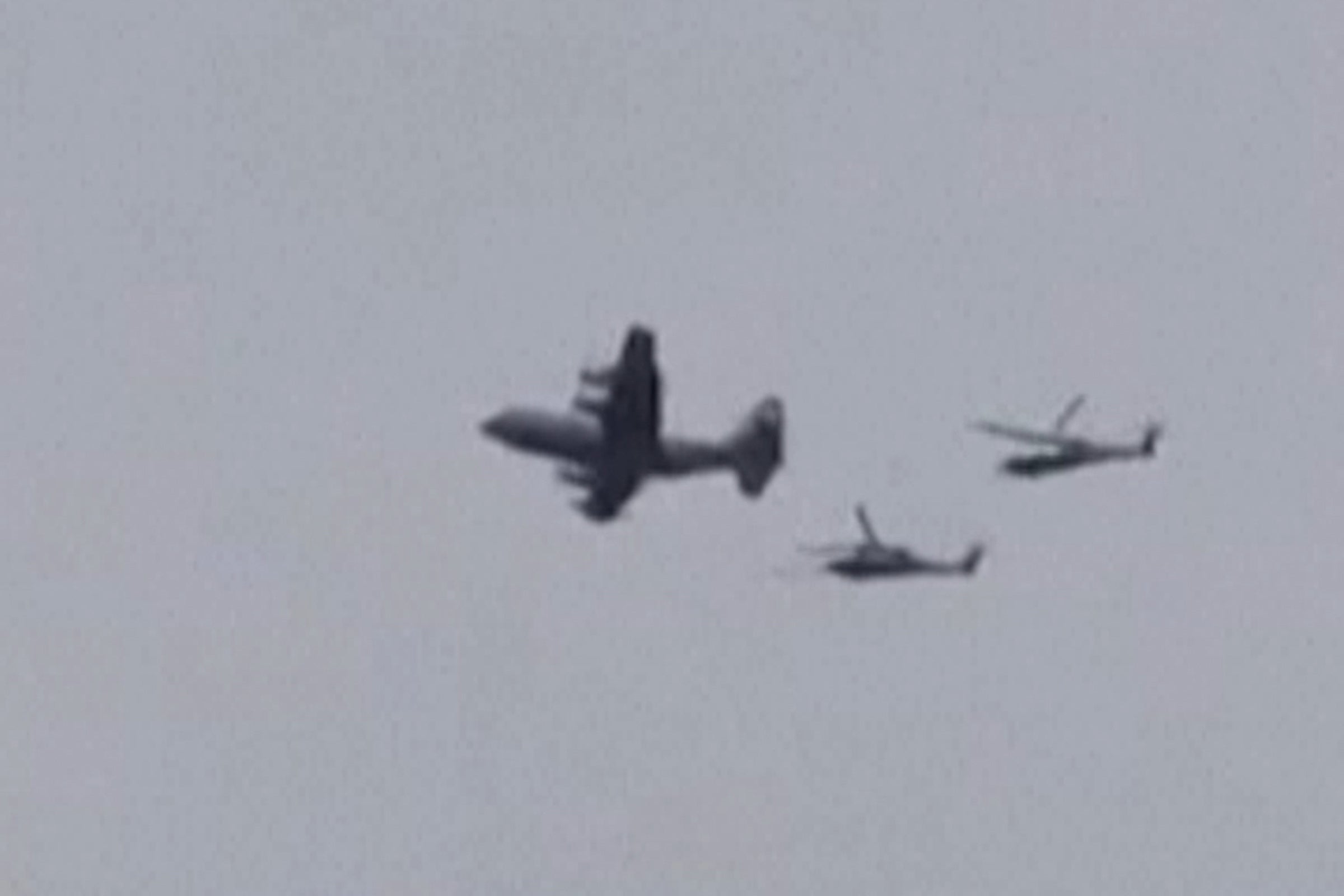
According to reports, a second aircraft, an A-10, was also hit by enemy fire around the same time as the F-15. The pilot of this heavily armored plane managed to maneuver into Kuwaiti airspace and ejected safely. Additionally, two helicopters involved in the search for the downed F-15 pilot came under fire and were forced to retreat.
Escalation and Consequences
Before the jet was shot down, Trump posted on Truth Social: “With a little more time, we can easily OPEN THE HORMUZ STRAIT, TAKE THE OIL, & MAKE A FORTUNE. IT WOULD BE A ‘GUSHER’ FOR THE WORLD??? President DONALD J. TRUMP.”
Iran’s attacks on Gulf energy infrastructure and its control over the Strait of Hormuz, which sees a fifth of the world’s oil and natural gas pass through, have caused significant market turmoil, leading to soaring oil prices and increased costs for basic goods.
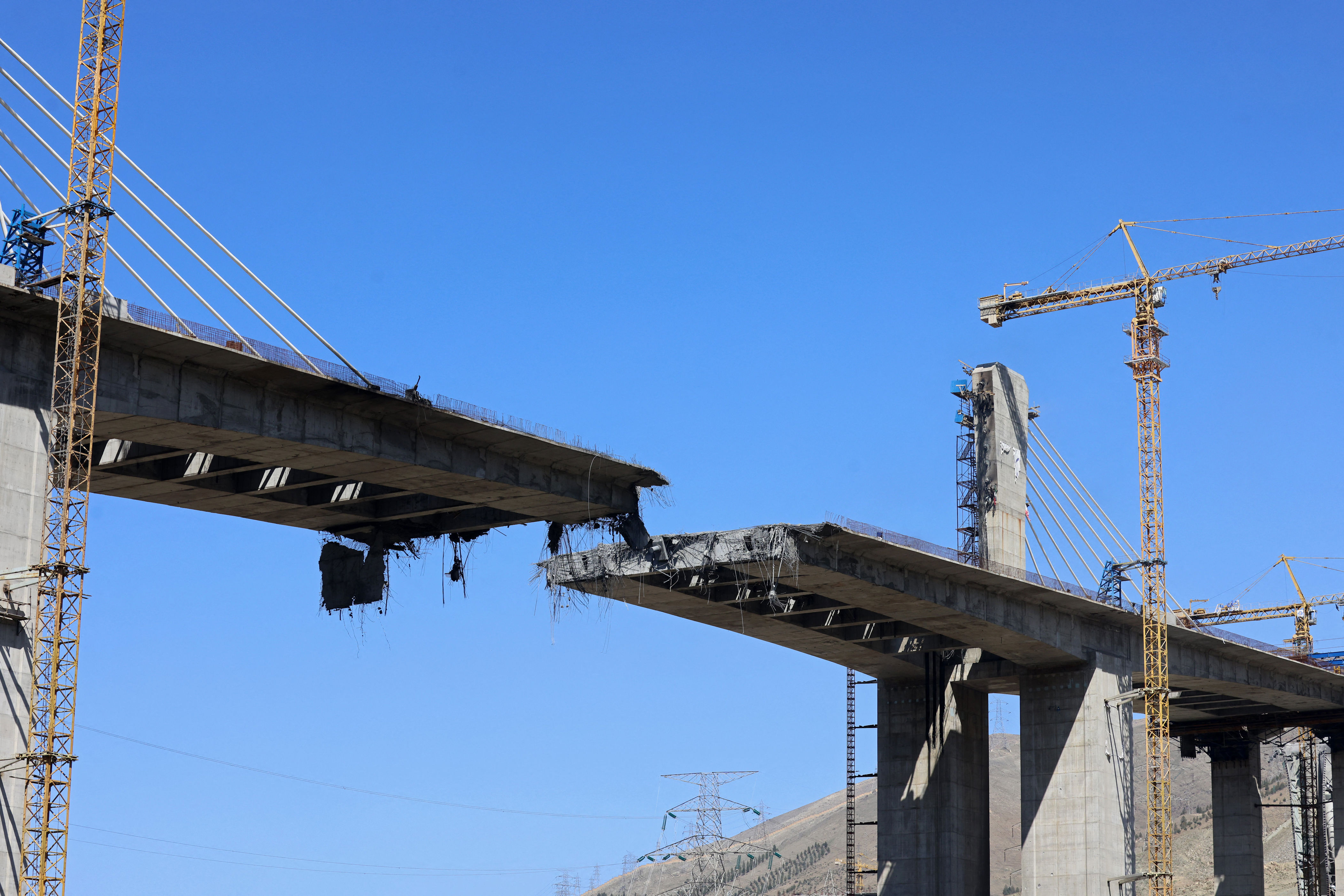
On Friday, Trump celebrated the bombing of an Iranian bridge, warning on social media that there was “much more to follow.” Footage showed the B1 bridge in Karaj, west of Tehran, being cut in half by the strike. The attack resulted in eight deaths and 95 injuries, according to Iranian news media.
Civilian Casualties and International Response
More than 1,900 people have been killed in Iran since the war began on February 28, as reported by the Associated Press. A review released on Friday by the Armed Conflict Location and Event Data, a U.S.-based group, indicated that civilian casualties were concentrated around strikes on security and state-linked sites rather than indiscriminate bombardment of urban areas.
Trump has threatened further escalation, warning of potential strikes on Iran’s energy grid if the strait is not reopened. Iranian officials have rejected negotiations under current conditions. In a separate phone interview with NBC News, Trump emphasized that the events of the day would not affect any ceasefire talks, stating, “No, not at all. No, it’s war. We’re in war.”