Ethiopia Launches Landmark Election Debate Platform to Foster Democratic Dialogue
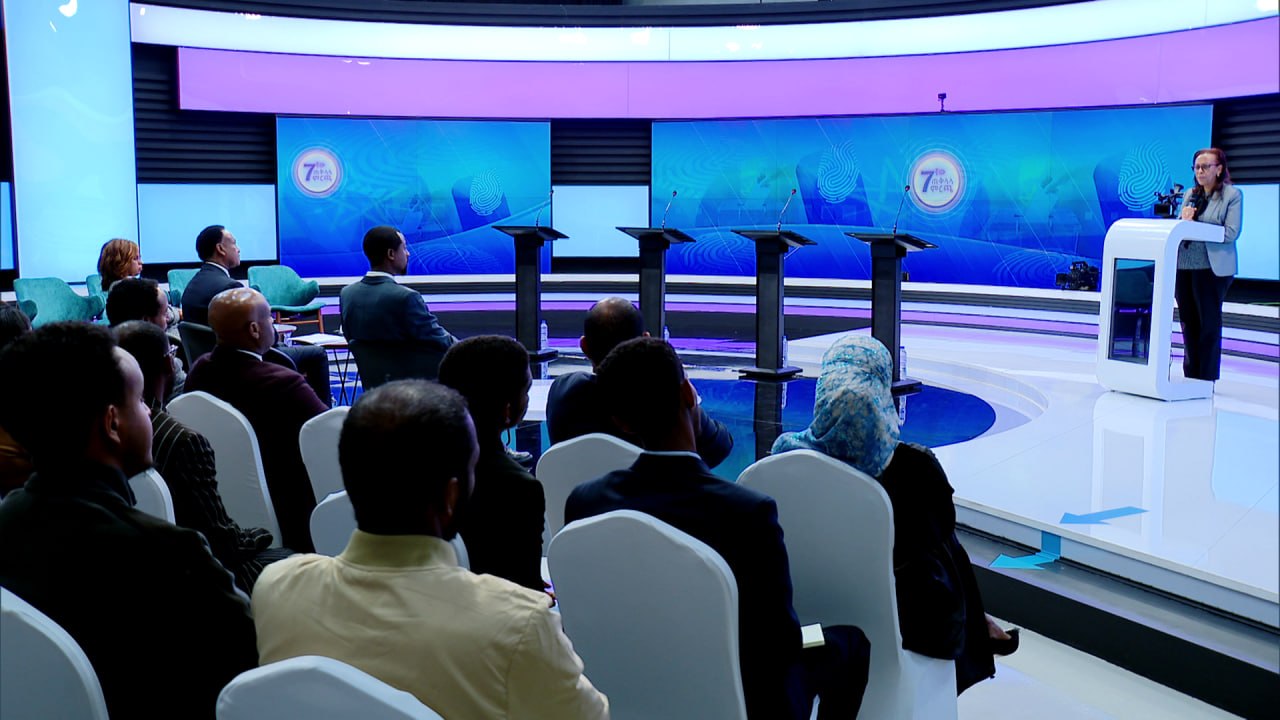
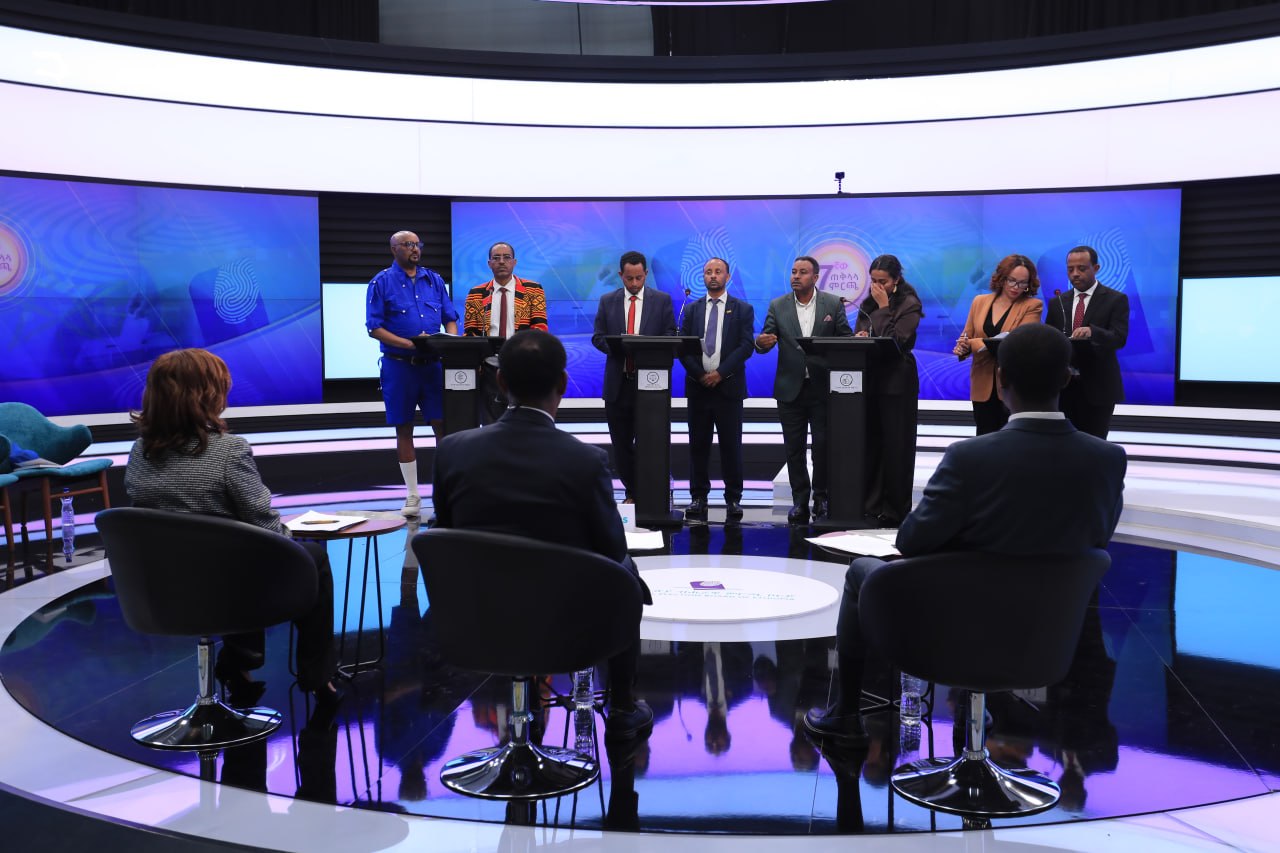
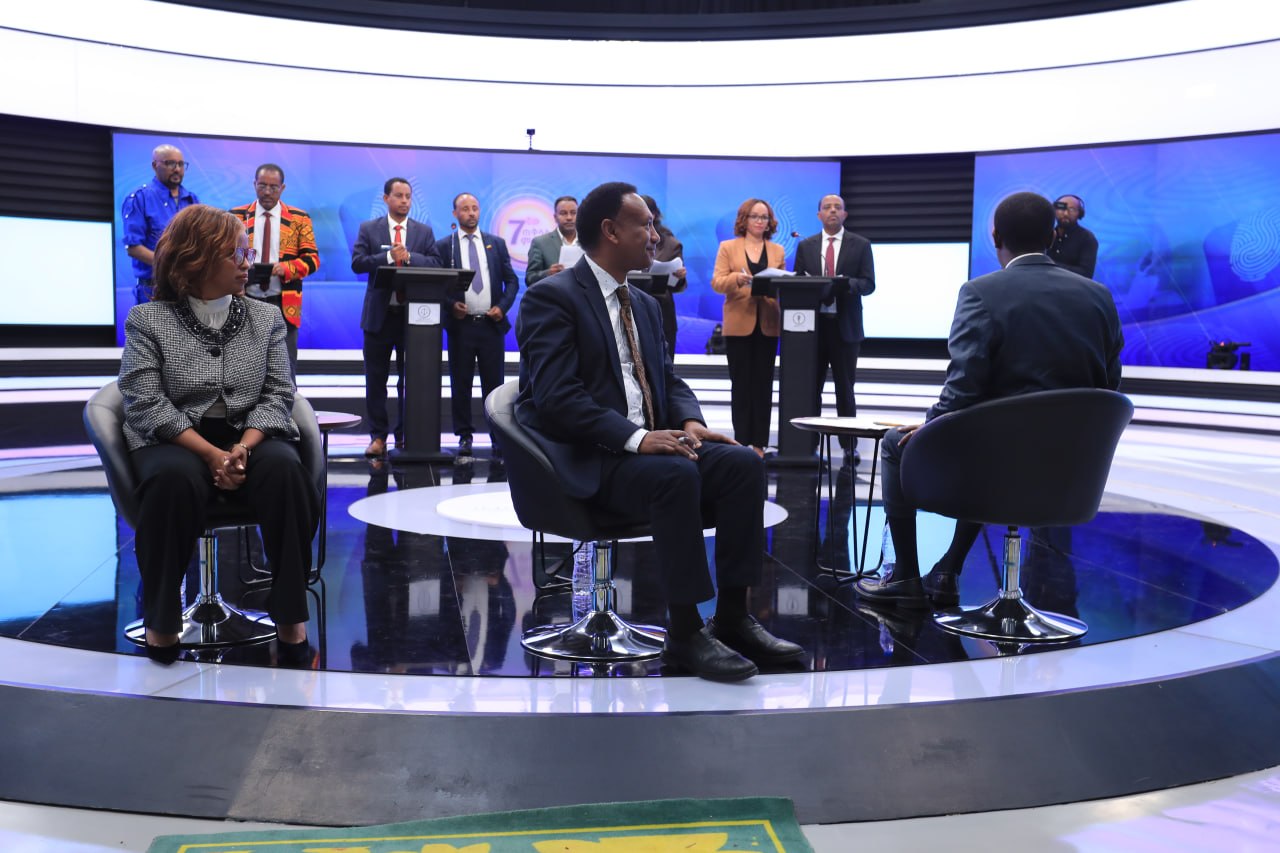
Addis Ababa, March 27, 2026 – In a significant stride towards enhancing democratic processes, the National Election Board of Ethiopia (NEBE), in partnership with the Ethiopian News Agency (ENA), has unveiled its inaugural election debate platform. This pioneering initiative is set to play a crucial role in the lead-up to Ethiopia’s seventh general election, slated for June 1, 2026.
The establishment of this debate forum represents a substantial development, designed to foster a more informed and engaged electorate. NEBE Chairperson Melatwork Hailu highlighted the extensive efforts behind the platform’s creation, noting that it has been in development for several months. This undertaking is part of a broader reform agenda aimed at bolstering democratic participation and elevating the standard of political discourse and competition within the nation.
The platform’s core objective is to provide political parties with a structured environment to articulate their policies and visions. Chairperson Hailu emphasized that the debates will enable parties to communicate their positions with greater clarity and impact, all while adhering to defined time constraints. This structured approach is intended to prevent superficial campaigning and encourage substantive policy discussions.
To ensure the success of this new venture, NEBE has undertaken comprehensive preparatory measures. These have included rigorous training programs for political party representatives and the organization of mock debates. These preparatory activities are designed to equip participating parties with the necessary skills and confidence to engage effectively in the live debates, thereby strengthening their overall readiness for the electoral process.
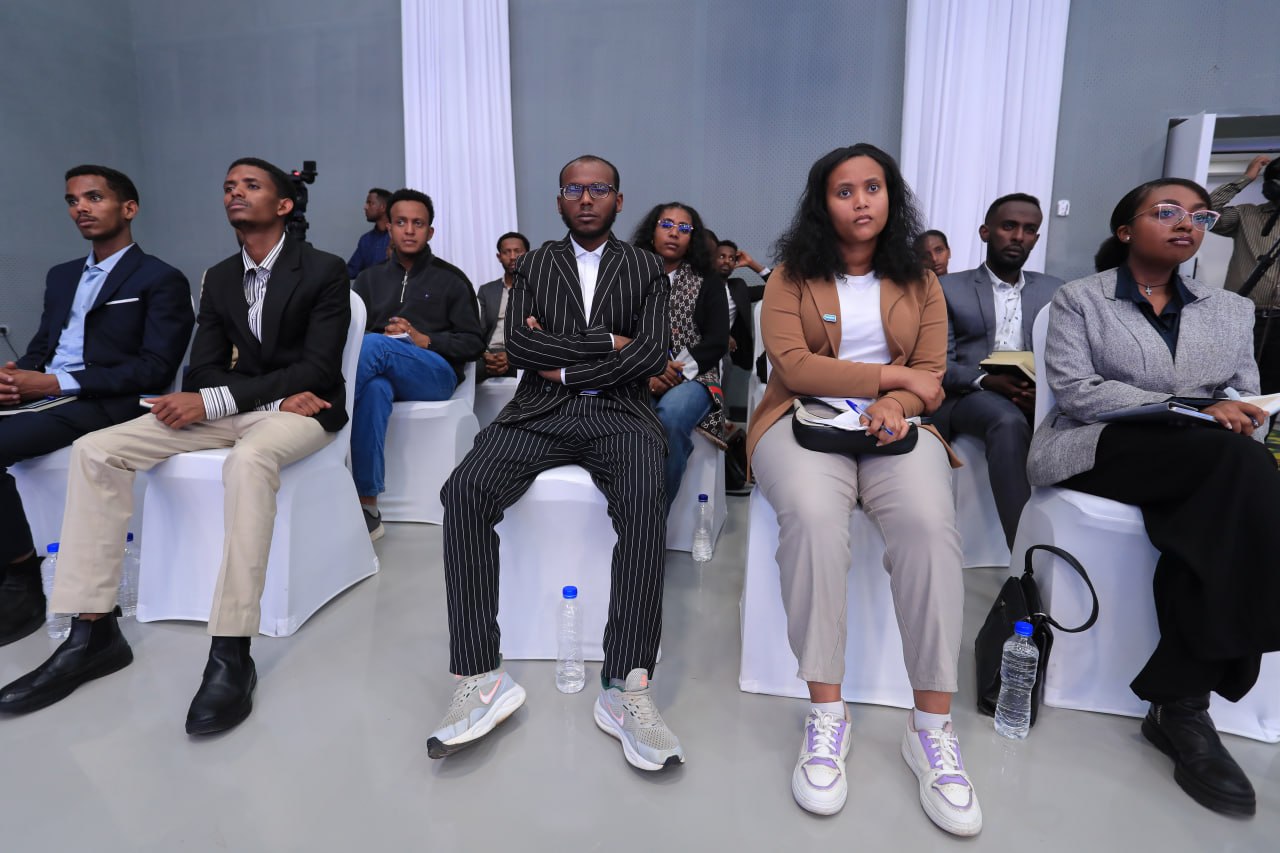
The maiden debate session was a testament to the platform’s potential, bringing together a diverse array of stakeholders. Competing political parties shared the stage, engaging in direct dialogue and presenting their platforms to a wider audience. The event also saw the participation of civil society representatives and university students, creating a vital space for broader civic engagement and fostering a culture of democratic dialogue among different segments of society.
Government Reaffirms Commitment to Fair Elections Amidst Intensifying Campaign
As Ethiopia approaches this pivotal electoral juncture, the government has unequivocally reiterated its dedication to ensuring an environment conducive to free, fair, and credible elections. This commitment is crucial for building public trust and ensuring the legitimacy of the electoral outcome.
In line with this commitment, political parties have actively commenced their campaign activities across the nation. This includes the formal presentation of their manifestos to the public and their active participation in various public forums and debates. The intensification of campaign efforts signifies the growing momentum of the electoral process and the increasing engagement of citizens in the political landscape.
A cornerstone of the electoral calendar is the nationwide voter registration exercise, which commenced on March 6, 2026. Polling stations across the country have been bustling with citizens eager to exercise their democratic right. NEBE has reported an overwhelmingly positive response, with millions of citizens successfully registering within the initial weeks of the process, underscoring the public’s enthusiasm for participating in the upcoming election.
Candidate Landscape and NEBE’s Inclusivity Push
The NEBE has provided detailed statistics regarding the candidate pool for the seventh general election. A total of 47 political parties have officially registered, presenting a combined total of 10,934 candidates. This substantial number of candidates reflects the vibrant and competitive nature of Ethiopian politics.

The distribution of these candidates highlights the structure of Ethiopia’s representative bodies:
- House of People’s Representatives: A total of 2,198 candidates will be vying for seats in the federal parliament, representing diverse constituencies and policy platforms at the national level.
- Regional Councils: The majority of candidates, numbering 8,736, will contest positions in the various regional councils, emphasizing the importance of local governance and representation.
NEBE has emphasized that this comprehensive electoral process, including the newly launched debate platform and the extensive candidate registration, is integral to its ongoing mission. The Board is committed to ensuring that Ethiopia’s seventh general election surpasses previous cycles in terms of inclusivity, participation, and transparency. This focus on enhancing the electoral system aims to solidify democratic institutions and empower citizens through a robust and accountable electoral process.