

































Australian Households Feel the Pinch as Cost of Living Soars
A significant portion of Australian households are finding themselves in a precarious financial position, forced to tap into savings, offload possessions, or resort to borrowing to cover the fundamental expenses of daily life. This alarming trend, revealed in a recent consumer survey, underscores the escalating pressure on family budgets across the nation.

Consumer confidence has also taken a nosedive, reaching its lowest ebb since the latter part of 2022. A pervasive sense of unease, described as a ‘ripple of fear,’ is circulating regarding the potential economic ramifications of ongoing global conflicts, particularly in the Middle East.
Plunging Confidence and Mounting Fears
A comprehensive Consumer Insight Tracker has revealed a dramatic decline in confidence concerning the future of the Australian economy. During February and March, this confidence plummeted by a substantial 13 points, registering a concerning -56. For context, while these figures haven’t yet reached the extreme lows seen during the height of the COVID-19 pandemic (which saw confidence fall to -78 in 2022) or the intense cost of living crisis of the same year (-70), the current trajectory highlights a palpable and growing strain on millions of households.
The fear is palpable, with concerns mounting over the sustainability of ever-increasing costs for essentials such as food, petrol, utilities, and mortgage repayments.
A Bleak Outlook for the Economy
The sentiment among Australians is decidedly pessimistic. A significant two-thirds of adults (67%) anticipate a worsening economic landscape over the next 12 months. In stark contrast, a mere 12 per cent believe the economy is poised for improvement.
This widespread apprehension is translating into tangible financial adjustments for a substantial number of households. Around half of all households (49%) are now compelled to implement at least one measure to alleviate mounting financial pressures.
Savings Dwindle as Essentials Take Priority
The survey’s findings also paint a stark picture of how Australians are now viewing their hard-earned savings. What was once considered a safety net for unexpected events is increasingly being perceived as a vital lifeline to bridge the gap between income and the escalating cost of everyday necessities. A quarter of households (26%) have confessed to regularly dipping into funds that were earmarked for emergencies, using them to cover the shortfall in their budget for essential goods and services.
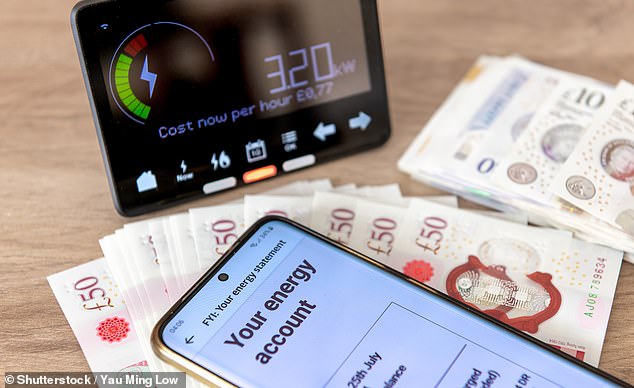
This situation marks a significant departure from the end of 2025, a period when financial stress appeared to be on a downward trajectory, offering a glimmer of hope.
Household Finances Under Pressure
Confidence in the future of individual household finances has also slumped to its lowest point since April of the previous year. This month alone, it has fallen by five points, now standing at a concerning -15.
The anxieties expressed by survey respondents are multifaceted, with many directly linking their concerns about their future financial stability to the ongoing conflict in the Middle East and its perceived impact on fuel prices, a critical component of household expenditure.
One woman, hailing from Yorkshire and Humberside, shared her apprehension, anticipating that the repercussions of the conflict would be felt across all sectors of the economy. She noted that a ‘much greater percentage’ of her income is now being diverted simply to maintain her current standard of living.
Experts Sound the Alarm
Sue Davies, head of consumer protection policy for Which?, has voiced her deep concern over these latest findings. ‘Our research indicates a worrying shift in consumer sentiment,’ she stated. ‘Confidence in the economy has hit its lowest point in years, as households grapple with a daunting combination of rising prices and global instability.’
Ms. Davies elaborated on the severity of the situation: ‘Millions are now being compelled to draw down on their savings or sell off personal belongings simply to keep pace with the cost of everyday essentials. The pressure on household budgets is becoming unsustainable for a great many people.’ She strongly advised anyone experiencing difficulties in meeting their bill payments to ‘speak to their providers as soon as possible and seek free, independent debt advice.’
Broader Economic Indicators Mirror Concerns
These latest revelations from the Consumer Insight Tracker align closely with the findings of GfK’s long-running consumer confidence index. This index, which tracks broader consumer sentiment, also indicated a reluctance among people to spend their money, dropping two points to -21 this month.
Furthermore, GfK’s major purchase index, a key indicator of confidence in acquiring significant, high-value items, experienced a four-point decline, settling at minus 18. This figure is one point lower than recorded last year, suggesting a sustained hesitancy in making large financial commitments.
Neil Bellamy, consumer insights director at GfK, commented on the prevailing mood: ‘Consumers simply do not feel that the economy is robust enough to withstand the ripple effects stemming from the Middle East conflict. The observed decline in purchasing intentions clearly signals that people are choosing to hold onto their money rather than spend it.’



















