Ethiopia and India Forge Path Towards Enhanced Trade and WTO Accession
Addis Ababa, March 27, 2026 – Ethiopia’s Minister of Trade and Regional Integration, Kassahun Gofe, has revealed substantial advancements in bilateral trade discussions with India, a crucial step in Ethiopia’s ambitious drive to join the World Trade Organization (WTO). These developments emerged from high-level engagements held concurrently with the 14th WTO Ministerial Conference (MC14) in Yaoundé, Cameroon.
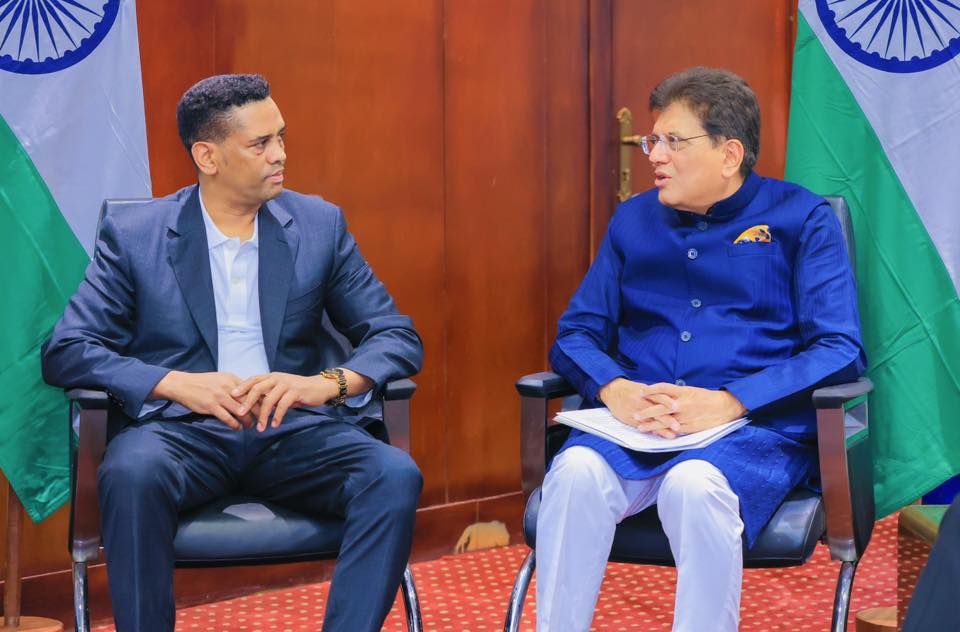
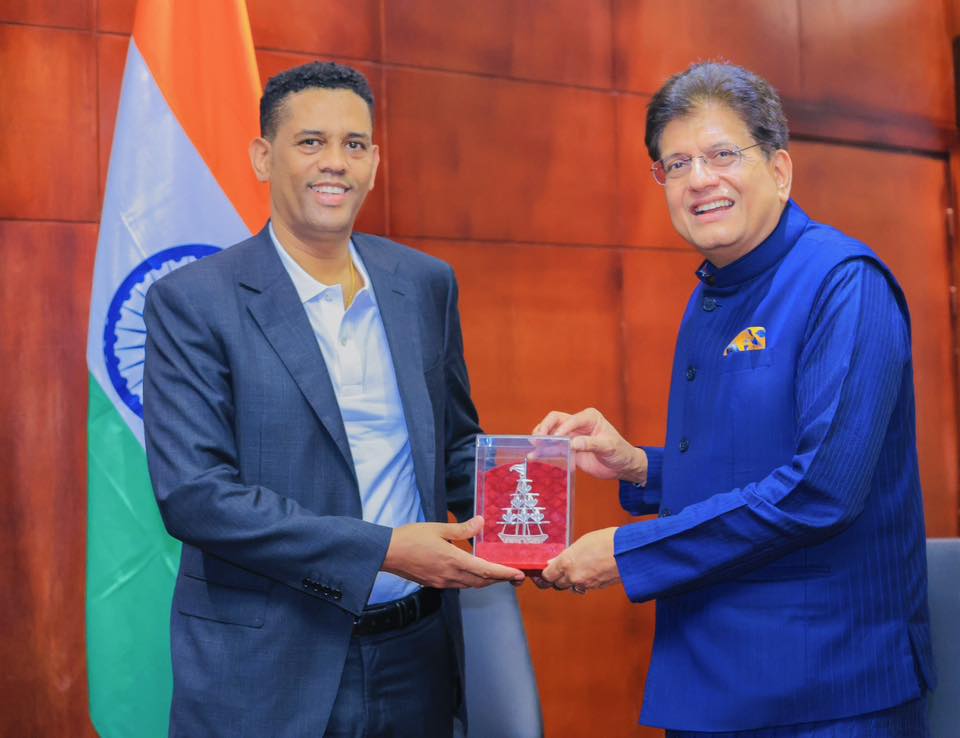
Minister Kassahun described the meetings as “fruitful discussions” with his Indian counterpart, Shri Piyush Goyal, India’s Minister of Commerce and Industry. The core of these deliberations revolved around expanding bilateral market access opportunities, a key component of Ethiopia’s broader strategy to finalize its WTO accession negotiations. Ethiopia has set a target of 2026 for its accession.
The Ethiopian minister highlighted that significant progress has already been achieved, with bilateral agreements successfully concluded with a number of nations. The current focus is on accelerating the remaining negotiations, including the pivotal talks with India, to ensure adherence to the projected accession timeline. Minister Kassahun specifically underscored the urgency of these negotiations, emphasizing that timely progress is paramount for Ethiopia’s WTO accession process.
In a significant development, Shri Piyush Goyal reportedly signaled India’s readiness to conclude the ongoing negotiations with Ethiopia within a week. This swift commitment is viewed as a major positive outcome, holding considerable importance for both the bilateral trade relationship between the two nations and Ethiopia’s broader multilateral accession aspirations. Furthermore, Minister Goyal reiterated India’s steadfast support for Ethiopia’s ongoing WTO accession journey.
Beyond the immediate trade and accession agenda, the discussions between the two ministers also encompassed the strengthening of the comprehensive strategic partnership between Ethiopia and India. This included exploring avenues for enhanced cooperation within the BRICS framework, signaling a shared vision for broader economic and geopolitical collaboration.
These recent talks are widely perceived as a significant stride towards deepening economic ties between Ethiopia and India. They also represent a crucial advancement in Ethiopia’s long-standing objective of becoming a member of the WTO, a move expected to bring substantial benefits in terms of global trade integration and economic growth.
The successful conclusion of these negotiations with India is not merely a bilateral achievement but a critical enabler for Ethiopia’s integration into the global trading system. Membership in the WTO promises to unlock new markets for Ethiopian goods and services, attract foreign direct investment, and foster a more competitive and efficient domestic economy. The commitment from India to expedite the process underscores the strong diplomatic and economic relationship that has been cultivated between the two countries.

The Ethiopian government has been actively engaged in a comprehensive reform agenda to align its trade policies and regulations with international standards, a prerequisite for WTO accession. This includes efforts to improve customs procedures, intellectual property rights protection, and the overall business environment. The progress in bilateral negotiations, especially with a major economic power like India, demonstrates the tangible results of these reform efforts.
The strategic importance of WTO accession for Ethiopia cannot be overstated. It is expected to:
- Enhance Export Competitiveness: Access to WTO’s dispute settlement mechanism and established trade rules will provide Ethiopian businesses with greater certainty and protection in international markets.
- Attract Foreign Investment: WTO membership signals a commitment to an open and predictable trade regime, making Ethiopia a more attractive destination for foreign investors.
- Boost Economic Diversification: Integration into the global trading system can encourage diversification of Ethiopia’s export base, reducing reliance on a few commodities.
- Promote Domestic Reforms: The accession process itself necessitates and drives important domestic policy and institutional reforms.
The engagement with India, a member of the G20 and a significant player in global trade, is particularly noteworthy. India’s support and willingness to fast-track negotiations are a testament to the robust diplomatic ties and shared interests between the two nations. The discussions on strengthening the strategic partnership and cooperation within BRICS further illustrate a shared commitment to multilateralism and a rules-based international order.
As Ethiopia moves closer to its WTO accession goal, the successful conclusion of these bilateral talks with India will serve as a powerful catalyst, paving the way for a more integrated and prosperous future for the nation within the global economic landscape.