

































Russian Satellites Photographed Key Military Sites After Iran Missile Strikes
Recent revelations from Ukraine’s President Volodymyr Zelensky have brought to light a concerning development: Russian spy satellites allegedly photographed a crucial UK-US joint military facility on Diego Garcia following ballistic missile attacks by Iran. This intelligence gathering, according to President Zelensky, was conducted “in the interests of Iran” and extended to other Middle Eastern bases hosting American and British forces.

These claims significantly amplify existing concerns about potential intelligence sharing between Moscow and Tehran. The UK’s Ministry of Defence had previously indicated it was “highly likely” that Russia was providing intelligence to Iran even before the recent escalation of conflict.
The Diego Garcia Incident and Russian Surveillance
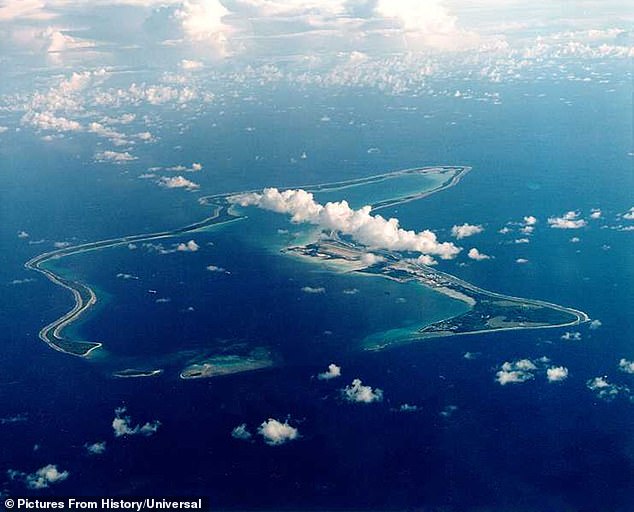
The alleged Iranian attack on Diego Garcia, a strategically vital island base in the Chagos Archipelago located in the Indian Ocean, reportedly occurred before March 24. Reports suggest that two ballistic missiles were launched towards the base, situated approximately 3,800 kilometres (2,360 miles) from Iran. While one missile reportedly failed during its flight, the other was intercepted by the US Navy.
President Zelensky detailed the satellite activity in a post on X, citing an intelligence briefing he received on Saturday. He stated that on March 24, Russian satellites captured imagery of the US–UK joint military facility on Diego Garcia. The following day, March 25, images were taken of Prince Sultan Air Base in Saudi Arabia. Further surveillance occurred on March 26, with images of the Shaybah oil and gas field in Saudi Arabia, Incirlik Air Base in Turkiye, and Al Udeid Air Base in Qatar being captured.
“There are no Ukrainian facilities on this list,” President Zelensky pointed out, questioning the nature of the assistance provided when sanctions are lifted from an aggressor who earns daily revenue and supplies intelligence for strikes against bases in the US, Middle East, UK, and joint US-UK facilities.

Broader Targets and Increased Tensions
The scope of the alleged Russian satellite imagery extends beyond Diego Garcia. President Zelensky’s briefing indicated surveillance of several other significant locations:
- Kuwait International Airport: Imaging of this key transportation hub suggests an interest in logistical capabilities.
- Greater Burgan oil field (Kuwait): This points to a potential focus on critical energy infrastructure.
- Prince Sultan Air Base (Saudi Arabia): A major US Air Force facility in the region.
- Shaybah oil and gas field (Saudi Arabia): Another significant energy asset.
- Incirlik Air Base (Turkiye): A critical NATO airbase.
- Al Udeid Air Base (Qatar): A vital base for US and allied forces, including RAF personnel.
These revelations come at a time of heightened global tensions, particularly concerning maritime security in the Strait of Hormuz. Iran’s threats to disrupt shipping traffic through this vital waterway have sent shockwaves through global energy markets, leading to soaring oil and gas prices.
Royal Navy Reinforces Mine-Hunting Capabilities
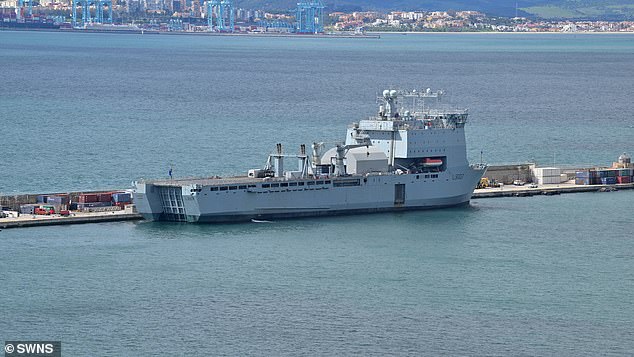
In response to the escalating situation, the Royal Navy has confirmed it is bolstering its mine-hunting capabilities. The RFA Lyme Bay, a support ship preparing for deployment, is being outfitted with advanced mine-hunting equipment. This vessel is designed to function as a drone “mothership,” capable of supporting a range of autonomous and crewless technologies, including underwater drones and minehunting boats. This strategic move allows the ship to “store, prepare, deploy and recover” these assets.
The decision to enhance the RFA Lyme Bay’s capabilities comes after criticism faced by the Navy and politicians regarding the withdrawal of its last minehunter from the region just as the conflict involving the US, Israel, and Iran intensified.
A defence source commented on the readiness of these capabilities: “Whilst no decisions have yet been taken on whether these capabilities will be sent to the Strait of Hormuz, this preventative step gives ministers options should they be needed to help resume the normal flow of merchant shipping.”
Strategic Positioning and Future Deployments
The RFA Lyme Bay, a vessel primarily used for landing and transport, has a history of delivering humanitarian aid. It was undergoing routine maintenance in Gibraltar but has since been placed on heightened readiness. Recent days have seen the ship undertaking training drills in the Mediterranean.
The decision to equip the ship with anti-mine equipment is understood to be a proactive measure following a reassessment of risks, particularly the potential need for civilian evacuations from Lebanon in the event of an Israeli ground invasion.
Diego Garcia itself has been a point of contention in transatlantic relations. Initially, Sir Keir Starmer reportedly withheld permission for the US to conduct bombing raids against Iran from the base. However, the Prime Minister later sanctioned the use of the base for limited strikes targeting Iranian drone and missile sites deemed to be threatening British interests. Following Iran’s attempt to strike Diego Garcia, the base’s usage was further expanded to include strikes against other sites endangering shipping in the Strait of Hormuz.
The bases mentioned by President Zelensky, such as Prince Sultan Air Base and Al Udeid Air Base, have also reportedly been targets of Iranian attacks. The RFA Lyme Bay is currently on “heightened readiness,” underscoring the UK’s commitment to maintaining freedom of navigation and protecting its interests in the crucial Hormuz bottleneck. The situation remains fluid, with international powers closely monitoring developments and preparing for various contingencies.



















