

































Trump Signals Potential NATO Withdrawal, Cites Financial Burden and Lack of Reciprocity
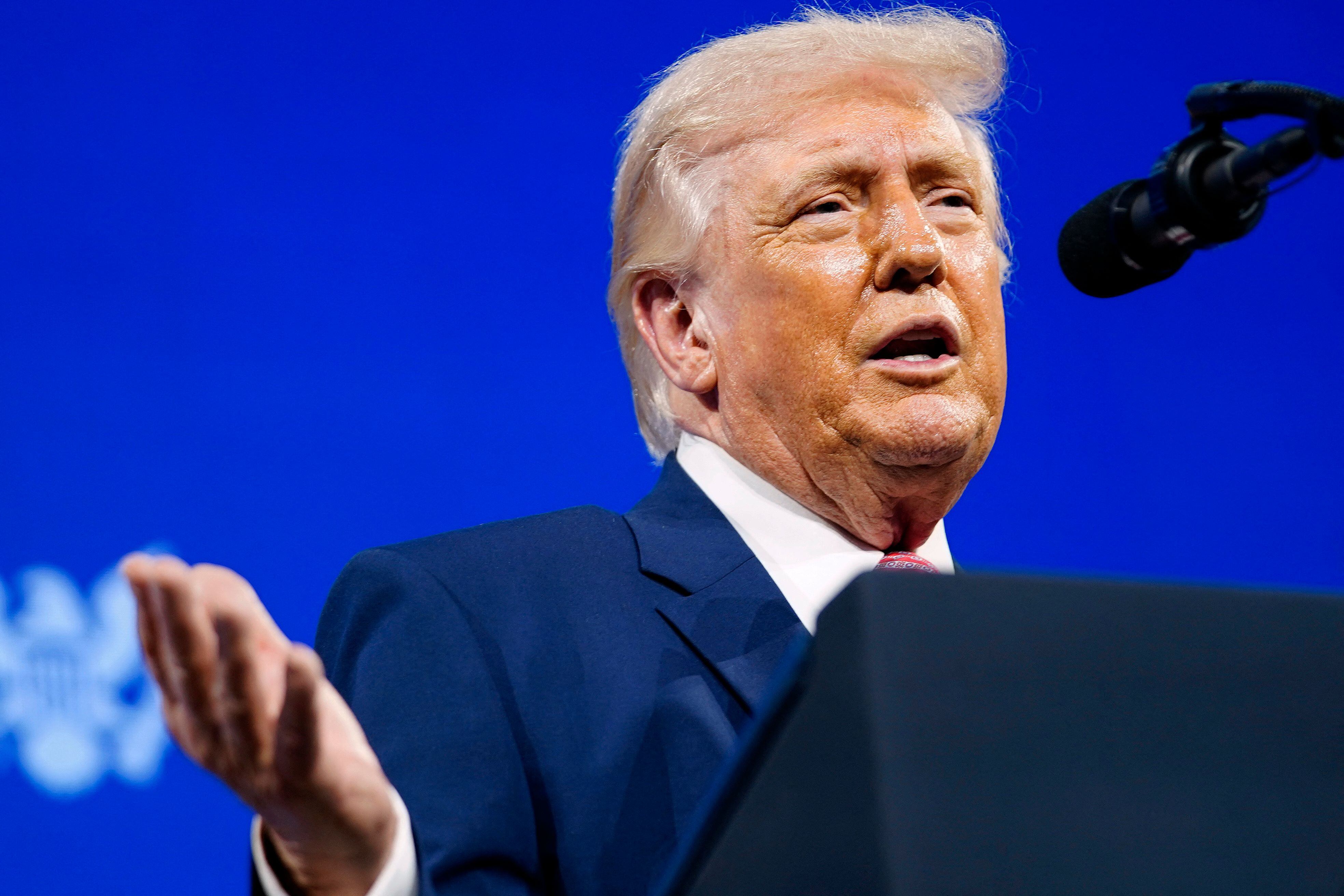
U.S. President Donald Trump has publicly mused about the possibility of the United States withdrawing from the North Atlantic Treaty Organization (NATO), a cornerstone of Western security for decades. The remarks, made during his attendance at the Future Investment Initiative (FII) event hosted by Saudi Arabia’s sovereign wealth fund in Miami, Florida, suggest a growing dissatisfaction with the alliance’s perceived lack of support for American interests.

President Trump articulated his stance on July 27th, stating, “There is no obligation to necessarily participate in NATO.” He elaborated on his reasoning, expressing a sense of unreciprocated commitment. “We have always been there for them, but seeing their actions, it seems unnecessary,” he remarked, specifically referencing instances where NATO members allegedly declined to support U.S. military operations, such as those directed towards Iran. This included a perceived lack of assistance in logistical aid and naval deployments.
The President emphasized the financial implications of continued U.S. involvement in the alliance. “I think it was a huge mistake for NATO not to help us. We spend hundreds of billions of dollars on NATO annually. The U.S. will save a significant amount of money,” Trump stated. This sentiment is widely interpreted as a clear indication that he believes withdrawing from NATO would alleviate substantial financial burdens on the United States, given its considerable annual contributions. He further questioned the rationale for U.S. commitment, asking, “Why should we step up for them if they don’t step up for us? They didn’t step up for us.” A smile accompanying this statement to the audience led some to suggest it was a significant, potentially “breaking news” announcement.
Shifting Geopolitical Focus: Cuba and Potential Military Posturing
In parallel to his comments regarding NATO, President Trump also allude to potential military considerations concerning Cuba, placing it in the context of ongoing geopolitical tensions. Following discussions around actions concerning Iran, Trump stated, “I built a strong military. I said, ‘We’ll never need to use this military,’ but sometimes we have to. Next is Cuba.” This statement implies a readiness to mobilize U.S. military force, drawing a parallel to previous considerations regarding Venezuela and Iran.
Earlier remarks from Trump had also hinted at Cuba’s future, with the President suggesting it “could be a target for a friendly acquisition,” but then adding a stark caveat: “It might not be a friendly acquisition.” These comments have fueled speculation about the administration’s intentions towards the island nation. Reports indicate that the Cuban government is engaged in ongoing negotiations with U.S. Secretary of State Marco Rubio, though the specifics of these discussions remain undisclosed.
The President’s pronouncements on NATO and Cuba signal a potentially significant shift in U.S. foreign policy, prioritizing perceived national interests and financial prudence. The implications for international alliances and regional stability are likely to be closely watched by global leaders and observers in the coming months.



















