

































Leicester Tigers’ coaching staff have defended a fiery sideline confrontation that erupted before their Gallagher Premiership clash against Gloucester at Villa Park. Head coach Geoff Parling found himself in a heated exchange with TNT Sports presenters, an incident he claims was a necessary act of player protection.

The controversy unfolded as TNT Sports presenter Craig Doyle, alongside Liam MacDevitt, a new addition to the presenting team, engaged in what appeared to be a light-hearted segment. Doyle invited MacDevitt to take a practice conversion kick as part of his on-air initiation. MacDevitt then sent the ball sailing from the touchline towards the posts, unfortunately in the general direction of Leicester’s players who were in the midst of their warm-up routine.
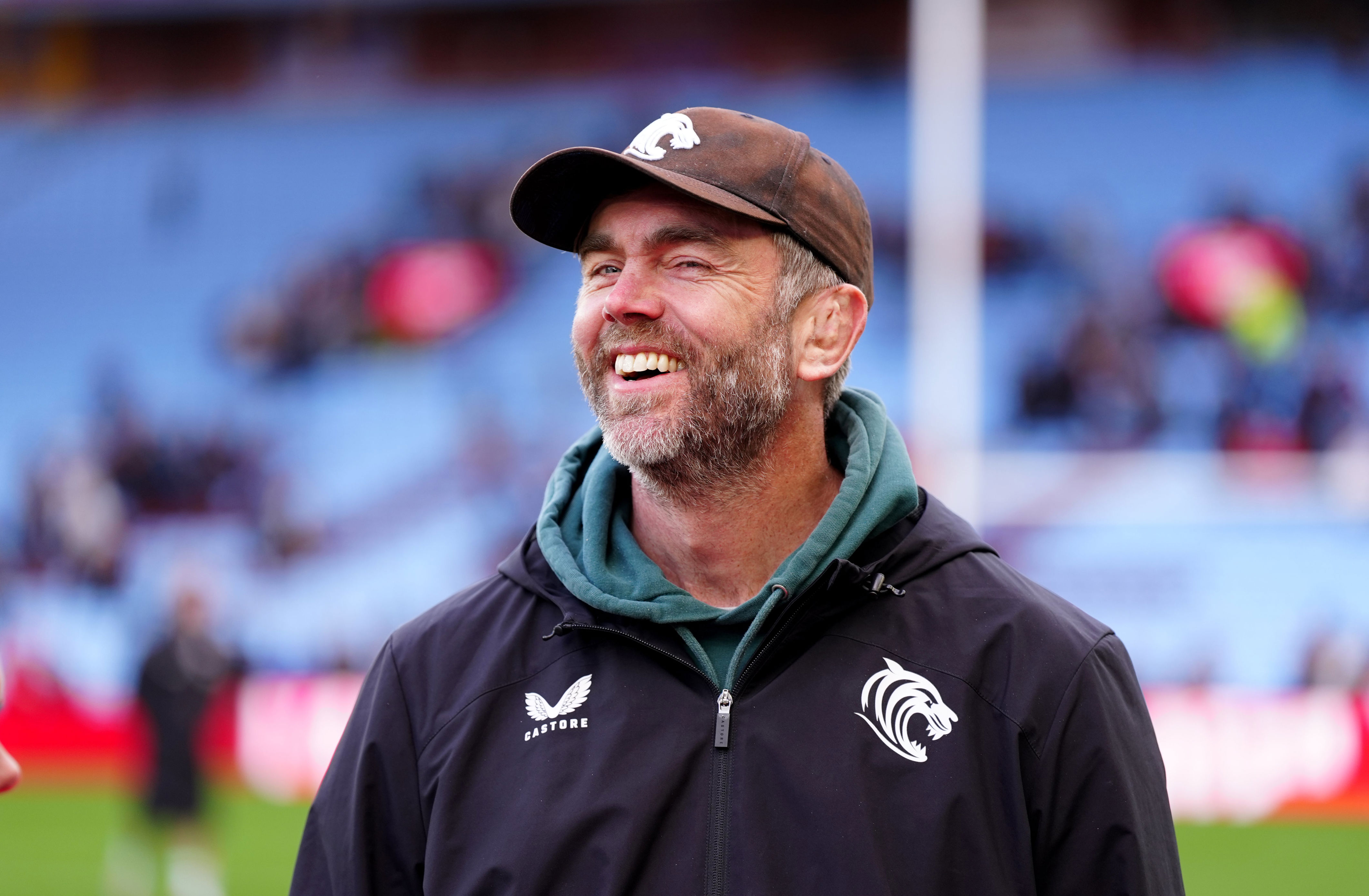
This seemingly innocent act triggered an immediate and forceful reaction from Parling. He was seen marching over to the presenters, visibly incensed. In footage of the incident, Parling is observed pushing Doyle aside after the presenter posed the question, “Would you sign him, Geoff?”. Parling’s response was blunt and expletive-laden, stating, “It’s f** not on.” Doyle, taken aback, acknowledged Parling’s strong feelings, with a TNT Sports commentator noting, “Geoff not happy about that.”
Following the match, Parling elaborated on his actions in a conversation with BBC Radio Leicester. He revealed that he had received an apology from the TNT Sports producer, explaining that the segment had been arranged without the knowledge or consent of the Leicester coaching staff.
Protecting the Players: A Coach’s Duty
Parling stressed his primary responsibility: safeguarding his players. “I’m very wary I need to protect my players,” he stated. “And certainly balls flying towards our players that could go anywhere where there’s an injury risk, then I’m obviously not going to be happy.” The coach emphasised that the unpredictable trajectory of a practice kick, especially when aimed in the vicinity of athletes warming up, posed a genuine safety concern. He felt compelled to intervene to prevent any potential harm.
The incident highlights a recurring tension between broadcast entertainment and the practical realities of professional sports preparation. While broadcasters aim to create engaging content, coaches are tasked with ensuring the well-being and focus of their teams. Parling’s intervention, though forceful, was framed as a proactive measure to mitigate risk.
TNT Sports, when approached for comment by the Press Association, declined to provide a statement on the matter. The club’s focus, it seems, remained firmly on the game at hand and the paramount importance of player safety. The incident, however, serves as a stark reminder of the delicate balance that must be maintained in the fast-paced world of live sports broadcasting. Coaches and presenters alike must navigate these interactions with a clear understanding of each other’s roles and responsibilities to ensure a smooth and safe environment for all involved.



















