

































Heathrow Airport: A Journey Through 80 Years of Iconic Moments
This month marks a significant milestone for British aviation, as Heathrow Airport celebrates its 80th anniversary. Welcoming its very first passengers on March 25, 1946, the airport, initially known as ‘London Airport’, has evolved from its humble beginnings into a global hub, witnessing and facilitating some of the nation’s most memorable events.

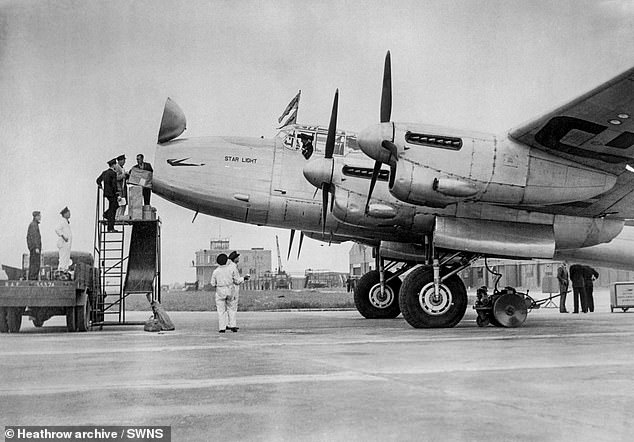
What began as a converted Lancaster bomber, the ‘Starlight’, making its inaugural flight to Buenos Aires, Argentina, has transformed into a bustling gateway for millions. In its first year, Heathrow handled a modest 63,000 passengers. Fast forward to 2025, the airport’s busiest year to date, and that figure has skyrocketed to an astounding 84.5 million travellers. Renamed Heathrow in September 1966, the airport has been the backdrop for countless historic moments, from The Beatles’ triumphant return from a US tour to the England Rugby team bringing home the World Cup. Beyond passenger travel, Heathrow has cemented its role as a crucial departure point for UK exports, fostering global connections for British businesses.
Ross Baker, Heathrow’s Chief Customer Officer, reflected on the airport’s enduring legacy: “Over the last 80 years, Heathrow has been the backdrop to some of Britain’s most memorable moments – from landmark arrivals and maiden flights, to the everyday reunions that matter most. As we celebrate this milestone, we’re proud of the role it has played in people’s lives, British culture and the UK economy, and remain focused on delivering an airport that serves our customers and the nation for decades to come.”
A Look Back: Key Milestones in Heathrow’s History
Heathrow’s 80-year journey is punctuated by a series of significant events and developments:
- 1946: Humble Beginnings – Tents as Terminals and First Flights
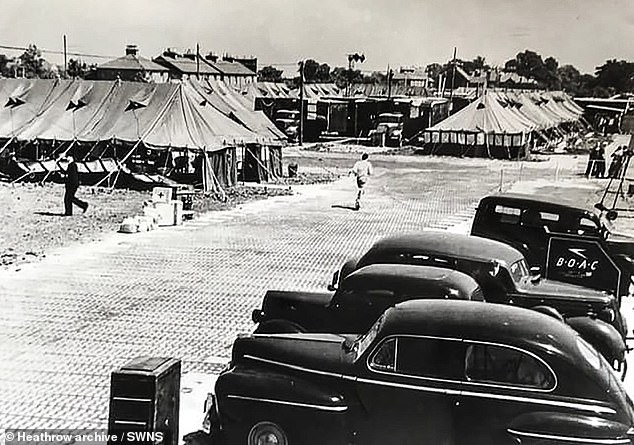
The early passenger terminals were a far cry from today’s sophisticated facilities. They comprised ex-military marquees, creating a “tent city” that, while basic, offered surprising comfort with floral-patterned armchairs and small tables adorned with fresh flowers. However, winter brought biting cold due to a lack of heating, while summer saw the marquee walls removed to catch any available breeze. Passengers navigated the muddy airfield to their aircraft via wooden duckboards, protecting their footwear. - 1952: A Queen’s Return – Queen Elizabeth II Mourns Her Father
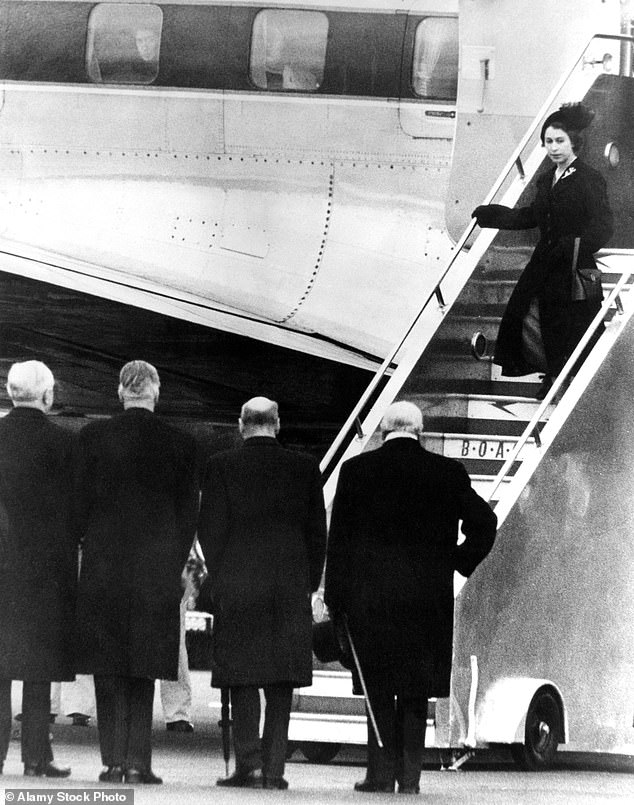
On February 6, 1952, King George VI passed away while Princess Elizabeth was on a Commonwealth tour with Prince Philip. Instantly becoming Queen Elizabeth II at just 25, she and Prince Philip cut short their trip to Kenya. Informed of the news by Prince Philip, she became the first monarch in over 200 years to accede to the throne while abroad.
The remainder of her tour was cancelled, and she flew back to the UK the following day. Images capture her disembarking the aircraft at Heathrow, dressed in black. She was greeted by senior politicians and dignitaries, including Prime Minister Winston Churchill, before returning to Clarence House.
- 1964: Beatlemania Takes Flight – The Beatles’ Triumphant Return
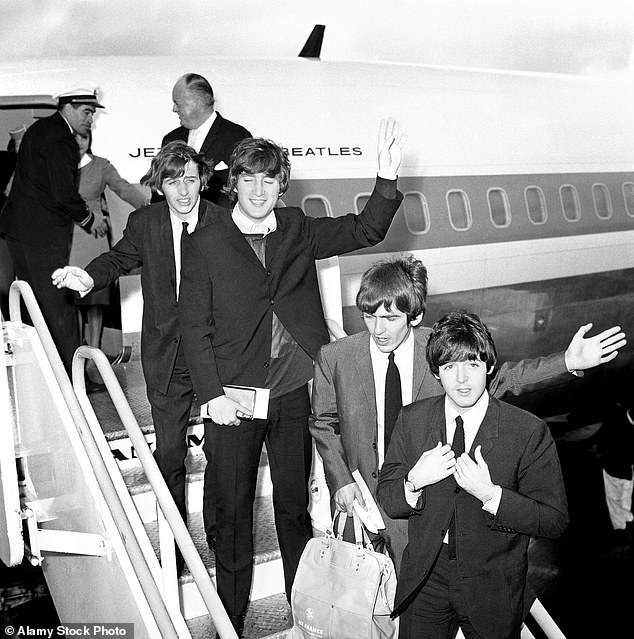
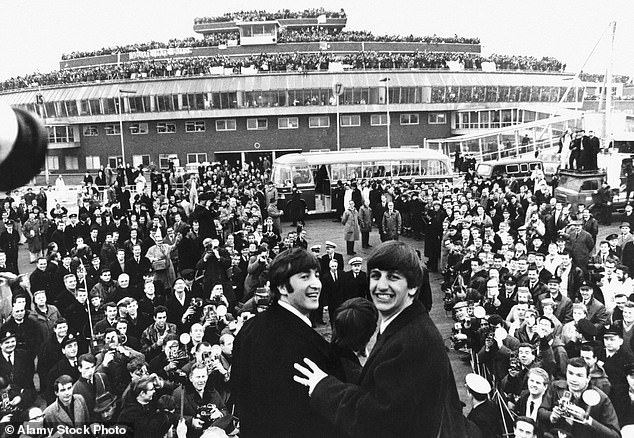
Before 1964, British pop acts rarely achieved significant success in the United States. This changed dramatically with The Beatles’ journey. On February 7, 1964, surrounded by thousands of adoring fans, Ringo Starr, John Lennon, George Harrison, and Paul McCartney boarded a flight from Heathrow for a US tour that would catapult them from UK heart-throbs to global superstars. Their appearance on The Ed Sullivan Show was watched by an estimated 73 million viewers, a staggering 40 per cent of the US population at the time. By April of the same year, they held the top five positions on the US singles chart simultaneously. Their return to Britain on February 22, 1964, was celebrated as a national triumph, signalling the dawn of a British music invasion across the Atlantic.
- 1970: The Arrival of a Giant – Heathrow Welcomes the First Boeing 747 Jumbo Jet
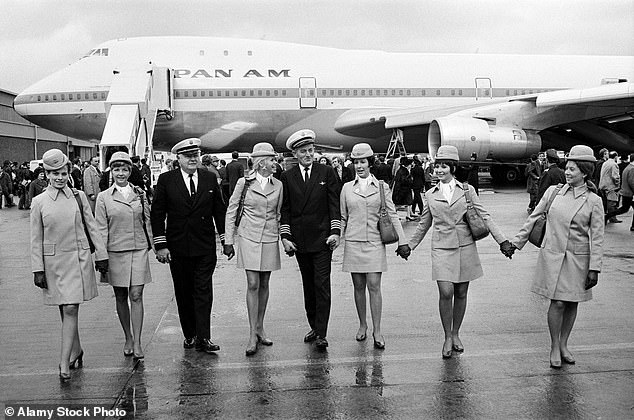
January 1970 saw the historic arrival of the 361-passenger Boeing 747 on British soil. This aircraft, dubbed the ‘Queen of the Skies’, boasted a cruising speed of 625 miles per hour, significantly reducing travel time to London by 30 minutes. The B747 revolutionised air travel as the world’s first twin-aisle passenger jet. - 1976: Supersonic Speed – Concorde’s First Commercial Flights
Seven years after its maiden test flight, Concorde took to the skies for its first commercial passenger service from Heathrow on January 21, 1976, departing for Bahrain at 11:40 am. A simultaneous flight also departed from Paris to Rio via Dakar, marking the aircraft’s official launch. Among the passengers on the inaugural flight was Bob Ingham, a devoted Concorde enthusiast who had saved for three years for his ticket. His distinctive ‘sunrise’ headdress and silver face paint, coupled with white and purple robes, made him a memorable and widely photographed figure.
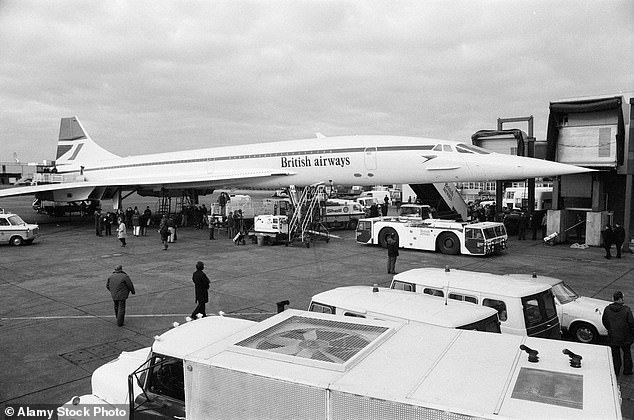
Forty-seven years later, British Airways operated the final Concorde flight from Heathrow’s Terminal 1. - 1986: Royal Inauguration – Prince Charles and Diana Open Terminal 4
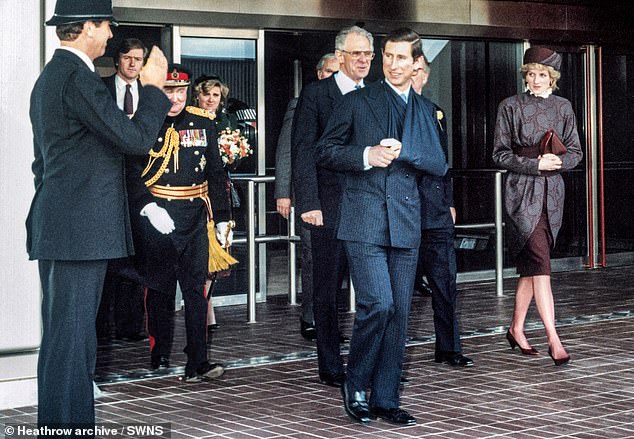
On April 1, 1986, Prince Charles and Princess Diana officially opened Heathrow’s Terminal 4. The Prince of Wales was notably wearing his arm in a sling, the result of a gardening accident where he had broken his index finger. This led to a charming moment where Princess Diana assisted him in cutting the ribbon, making for a memorable and humanised royal occasion.
- 1998: A Faster Connection – Tony Blair Opens the Heathrow Express
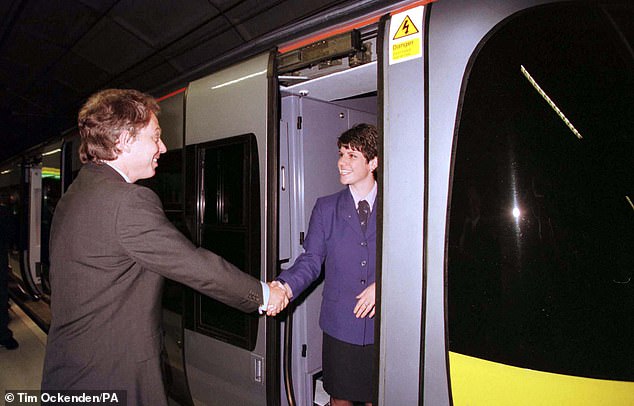
Prime Minister Tony Blair officially inaugurated the Heathrow Express, a new high-speed rail link connecting the airport to London Paddington station, on June 23, 1998. Speaking with the train’s driver, Claire Pick, Blair highlighted the significance of this privately financed £450 million project, which slashed the journey time from central London to the airport to just 15 minutes. - 2002: Hollywood Touches Down – John Travolta’s Vintage Flight
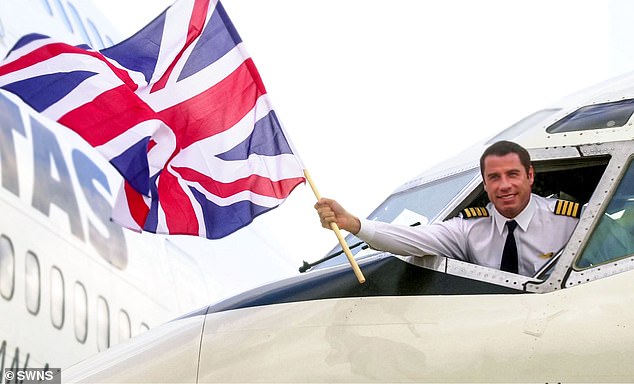
In a bid to rebuild confidence in air travel following the 9/11 attacks, Hollywood actor and aviation enthusiast John Travolta partnered with Qantas for a goodwill tour. He flew his vintage Boeing 707, a former Qantas aircraft, to 10 countries. Travolta described receiving his Qantas golden wings as “one of the proudest moments of my life.” On August 19, 2002, he was photographed from the cockpit window, holding a Union Flag, having flown over 30,000 miles across various international destinations.
- 2003: Sporting Glory – England Rugby’s Victorious Homecoming
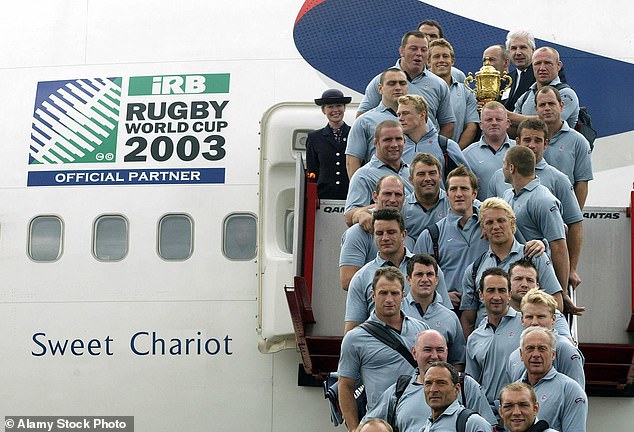
The England rugby team returned home as World Cup champions on November 25, 2003, landing at Heathrow after their historic victory in Sydney, sealed by Jonny Wilkinson’s iconic extra-time drop goal. Fans gathered in their thousands at Terminal 4, singing ‘Swing Low, Sweet Chariot’ to welcome their heroes, despite the team’s early morning arrival at 4:35 am. The World Cup trophy even had its own reserved seat on the aircraft. This win is widely considered England’s greatest sporting achievement since the 1966 football World Cup.
- 2003: A Cinematic Setting – Heathrow Features in “Love Actually”
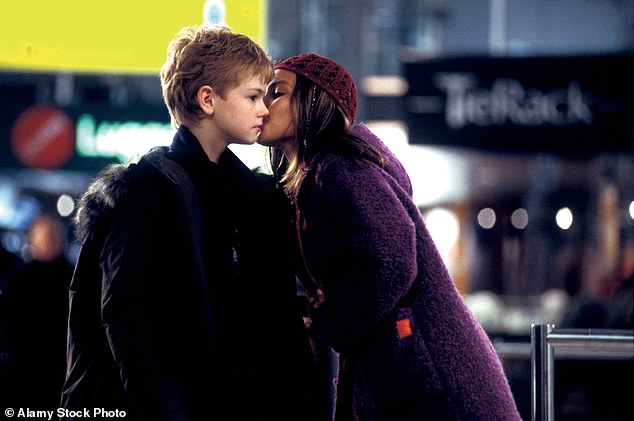
Heathrow’s Terminal 3 became the setting for a now-classic Christmas movie scene in Love Actually. The heartwarming moment between Joanna and Sam, played by Olivia Olson and Thomas Brodie-Sangster, as he rushes to say goodbye before her flight, captured the essence of farewells and reunions at the airport. The film also opens with real footage of travellers reuniting and concludes with key characters finding each other, underscoring Heathrow’s role in connecting people. - 2008: A Royal Opening – Queen Elizabeth II Inaugurates Terminal 5
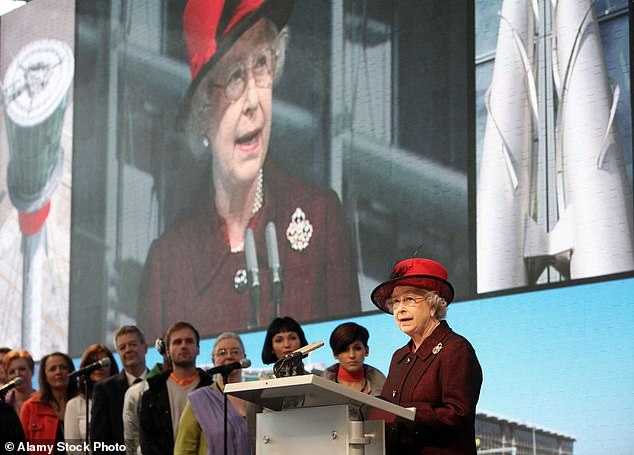
On March 14, 2008, accompanied by Prince Philip, Queen Elizabeth II officially opened Heathrow’s Terminal 5. Addressing 800 guests, Her Majesty described the terminal as a “21st-century gateway to Britain” and declared it “ready for business.” The terminal formally opened to passengers on March 28, and subsequently, passengers consistently voted it the best airport terminal in the world for several years, establishing it as a benchmark for service and design.
- 2013: Aviation Milestone – British Airways Takes Delivery of Double-Decker Planes
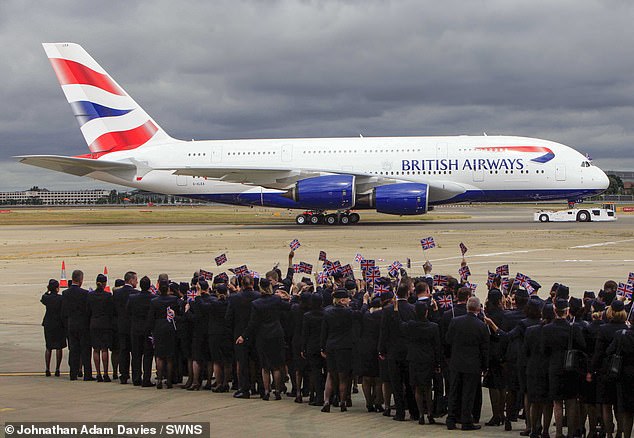
In 2013, Heathrow became the home base for the Airbus A380 when British Airways became the first UK airline to operate the world’s largest passenger aircraft. This double-deck airliner, capable of carrying 500 passengers, allowed the carrier to increase passenger capacity without increasing flight numbers, alongside its use of the Boeing 787 Dreamliner. - 2016: Olympic Triumphs – Heroes Return from Rio
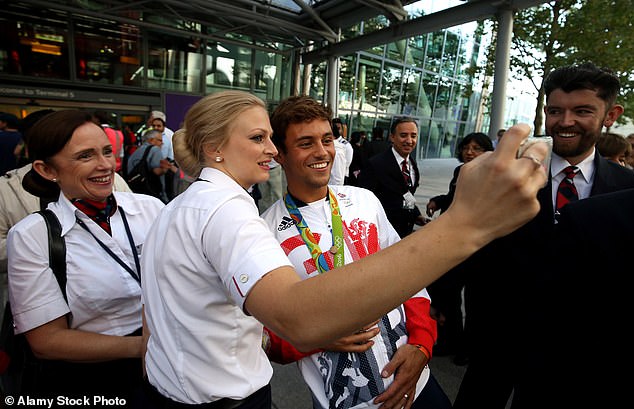
Team GB celebrated a remarkable achievement upon their return from the Rio Olympics. Having won 67 medals in Brazil, they surpassed the number of medals won on home soil at the London 2012 Games. Tom Daley, a bronze medalist in the men’s 10-metre synchronised diving event, posed for photos in Heathrow’s Terminal 5. Daley, who made his Olympic debut in 2008 and retired in 2024 with four Olympic medals, embodied the spirit of the returning athletes. - 2020: Global Disruption – The Impact of the Coronavirus Pandemic
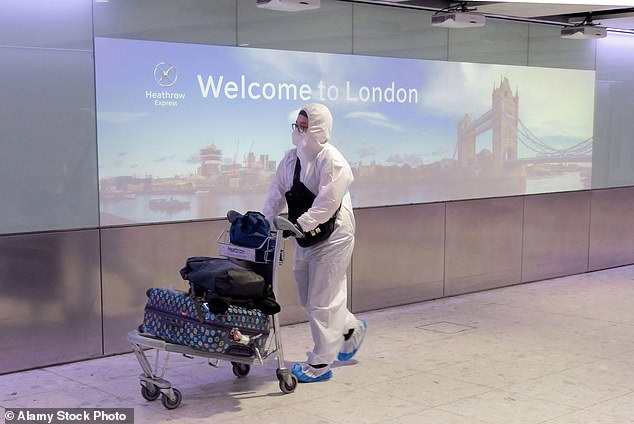
The Coronavirus pandemic brought global travel to a standstill in March 2020, leading to a national lockdown and the suspension of all non-essential travel. Heathrow was forced to close, operating only essential flights. With restrictions gradually lifting from early 2022, passenger demand saw a significant rebound, with 2024 marking a return to pre-pandemic passenger levels.
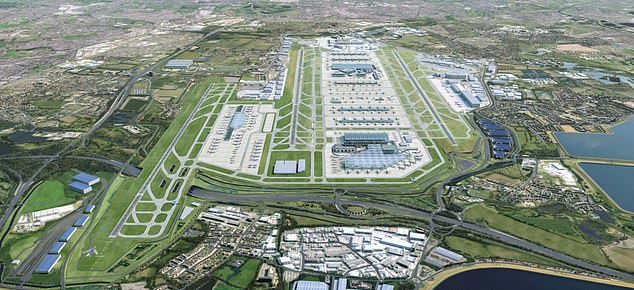
- 2026: Future Expansion – Planning Begins for a Third Runway
Following government endorsement in early 2025 and the confirmation of Heathrow’s expansion scheme later that year, new investment was approved to commence the planning application process for a third runway. This privately funded expansion aims to deliver more flights and airlines, offering greater choice and potentially lower fares for travellers.



















