

































AFL Grapples with Fuel Crisis: Hubs Loom as Potential Solution
The Australian Football League (AFL) is reportedly bracing for significant disruption to its current season, with a high-level meeting of club chief executives exploring the controversial prospect of operating out of “hubs” due to a looming fuel crisis. This potential measure, which would see teams relocate to concentrated locations away from their home grounds, echoes the drastic adaptations made during the COVID-19 pandemic.

Concerns about fuel shortages and their impact on air travel were a central topic of discussion at the recent CEO gathering, according to reports. The ABC has indicated that the issue was formally raised, prompting speculation about how the competition would function if flight restrictions were imposed due to rationing.
The mention of “hubs” is likely to send a ripple of unease through the AFL community. This term became synonymous with an unprecedented period in the sport’s history when the COVID-19 pandemic forced teams into isolated hubs to ensure the season could continue. For many, particularly those in Western Australia and South Australia, this meant extended periods away from home, often based in Queensland during the 2020 season. The prospect of a return to such measures, even for different reasons, highlights the precariousness of maintaining a national sporting competition in the face of unforeseen global events.
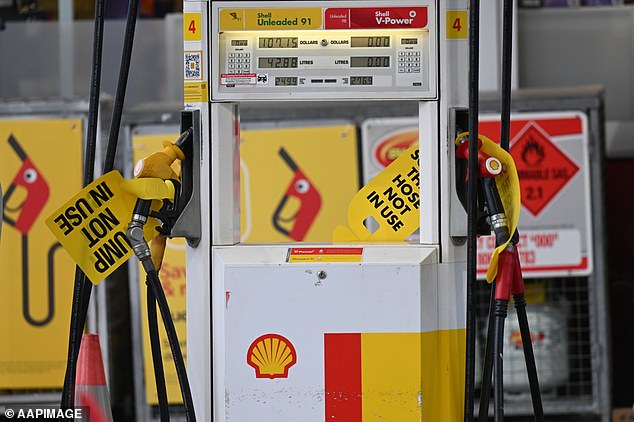
The current fuel crisis, exacerbated by international geopolitical tensions, has already begun to impact the aviation industry. Qantas, through its budget airline Jetstar, has already announced a reduction in its flight schedules. This directly affects the AFL’s ability to move teams and personnel across the country efficiently.
Beyond the operational challenges for clubs, the rising cost of fuel is also casting a shadow over one of the AFL’s marquee events: Gather Round. This unique festival, scheduled to take place in and around Adelaide from April 9th to 12th, where all matches will be played, is facing the possibility of reduced attendance.

Ron Issko, president of the AFL Fans Association, has voiced concerns that the escalating petrol prices may deter a significant number of supporters from attending Gather Round. Many fans undertake long drives to reach the event, and the current economic climate is forcing them to re-evaluate their travel plans. Issko indicated that as the event draws closer and fuel prices continue their upward trajectory, some fans may ultimately decide to “bail” on their attendance plans.
The impact of increased fuel costs is already being felt by dedicated fan groups. Joe Dooley, a leader of the St Kilda cheer squad, revealed a stark drop in attendance for Gather Round. Only five members of his group are making the trip to Adelaide, a significant decrease from the 20 who attended previous iterations. Dooley explained that the economics have shifted dramatically; what once cost $30 per person for a group road trip now amounts to $60 each way, making it a much less attractive proposition.

Similarly, Paolino Tomaiuolo, director of the AFL Country Supporters Group, has indicated that fans residing in regional areas are increasingly likely to make alternative arrangements. For these supporters, the cost of driving to Gather Round and back could now exceed $300, a substantial expense that cannot be easily absorbed.
The ripple effect of these rising costs is also evident in the hospitality sector. Anna Hurley, a representative for the Hurley Hotel Group, noted a discernible shift in booking behaviour for Adelaide’s football festival. She observed that “self-drive travellers seem to be a bit slower to make their bookings,” suggesting a cautious approach driven by economic uncertainty.
The severity of the fuel crisis in Australia is underscored by recent data from the nation’s consumer watchdog. Average diesel prices in the five largest cities have surged, reaching 303.5 cents per litre – an increase of 27.8 cents in a single week. The situation is even more acute in regional Australia, where diesel prices averaged 307.6 cents per litre, marking a jump of 28.6 cents over the same period. Unleaded petrol prices are also high, averaging 252.2 cents per litre.

In response to the escalating cost of living, the opposition has proposed measures such as halving the fuel excise and the heavy vehicle road user charge to provide immediate relief. However, the government has thus far ruled out these proposals. Energy Minister Chris Bowen has assured the public that Australia currently holds sufficient fuel reserves, with approximately 39 days of petrol, 30 days of diesel, and 30 days of jet fuel in stock. Nevertheless, the ongoing volatility in global energy markets and its direct impact on domestic fuel prices present a significant challenge for the AFL and its fans as the season progresses. The potential for hubs, while a drastic measure, underscores the league’s commitment to ensuring the season’s continuity amidst these challenging economic headwinds.



















