Rocky Elsom’s Fight to Overturn a Controversial Conviction
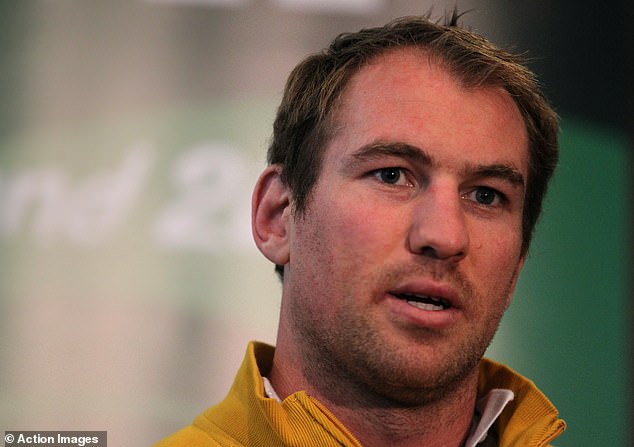
Former Wallabies captain Rocky Elsom has finally spoken out about his ongoing legal battle in France, where he faces a conviction that could see him imprisoned. The 43-year-old, once one of Australia’s most decorated rugby stars, claims he was never notified of the trial and had no opportunity to defend himself.

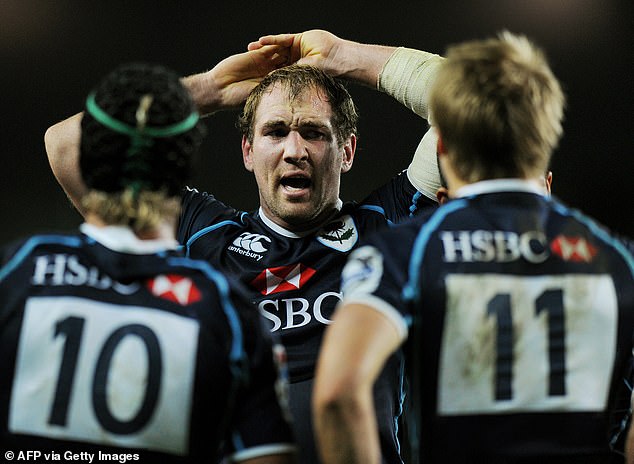
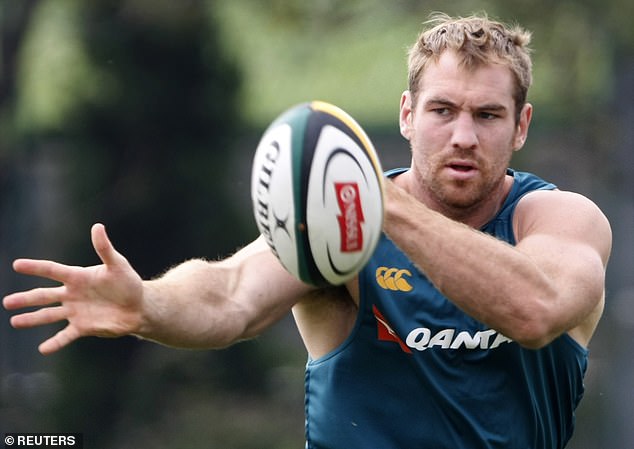
Elsom, who played 75 Tests for Australia and captained the Wallabies between 2009 and 2011, is at the center of an international legal dispute after being convicted in absentia over his time as president and majority shareholder of French club Narbonne. He was initially sentenced to five years in prison for fraud and forgery charges following a 2024 court ruling. This sentence was later reduced to two years after the charges were downgraded to misuse of company assets by a director.
Despite the conviction, Elsom has consistently denied any wrongdoing and is preparing to challenge the ruling in a full appeal expected to be heard later this year. “They didn’t notify me of my own trial, which means not only was I not there, I wasn’t represented, and so I couldn’t give evidence and I’ve never been questioned,” he said in an interview with News Corp.
The former flanker claims he only learned about the case through media reports. At the time, he was living in Ireland, where he was coaching at a university. Within days of discovering the conviction and arrest warrant, he fled the country to avoid being detained. “I’ve never been questioned on these charges and at that time I had no idea of the details,” he said.
Elsom eventually returned to Australia and is now living quietly in the Noosa hinterland, far from the rugby spotlight he once dominated. However, the legal storm surrounding him continues to intensify.
At the heart of the case are allegations that Elsom’s management of Narbonne contributed to the club’s financial collapse. French prosecutors claim that a series of payments made during the final stages of his leadership created a ‘catastrophic’ financial position, leading to the club’s liquidation in 2018.
Elsom rejects this claim outright. “The remaining charge hinges on an argument that the club could not possibly recover after I made certain payments,” he said. “But the payments concerned were all contractual obligations.”
He insists the club was in a strong financial position when he departed in 2016, pointing to internal financial records that he says show Narbonne was profitable during his final years in charge. “When I left the club in 2016, it was in the best position in its professional history. The statement of financial position for that year supports my claim,” he said.
His legal team has also raised serious concerns about the way the case has been handled, arguing that key financial documents have not been made available to the defence. French lawyer Yann Le Bras has described the situation as one of the most troubling he has seen in decades. “We have very good arguments to turn the table upside down,” he said.
Le Bras claims Elsom was never properly contacted by authorities during the investigation and was effectively denied the opportunity to defend himself before the court handed down its original ruling.
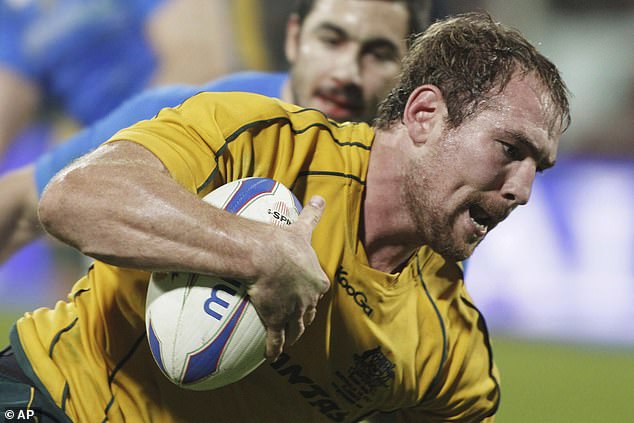
The case has drawn increasing attention not just for its legal complexity, but for the extraordinary fall from grace of a player once regarded among the best in the world. During his career, Elsom was named Wallaby of the Year in 2008 and European Player of the Year in 2009 after a dominant stint with Irish giants Leinster.
At his peak, he was widely considered one of the most destructive forwards in world rugby, with Irish legend Brian O’Driscoll once describing him as the best player on the planet. Now, more than a decade after his retirement, Elsom finds himself fighting not for trophies, but for his reputation.
He has maintained he is not in hiding and says he is ready to face the legal process head-on, though he has remained noncommittal about whether he will return to France for the appeal. For now, the former captain is focused on clearing his name.
“To say it put the club under pressure they couldn’t recover from is ridiculous,” he said.