

































Fuel Crisis Exposes Australia’s Vulnerability, Senior MP Warns
A senior Liberal MP has issued a stark warning about Australia’s energy security, highlighting the nation’s precarious position as a protracted conflict in the Middle East threatens to cripple global fuel supplies and send prices skyrocketing. The escalating tensions, now entering their second month, are poised to inflict “real economic pain” on Australians, according to the Shadow Minister for Industry and Sovereign Capability.

The current geopolitical turmoil has underscored Australia’s significant reliance on imported fuel and exposed the limitations of its long-standing alliance with the United States, particularly in light of perceived strategic missteps by former US President Donald Trump.
A Critical Look at International Strategy
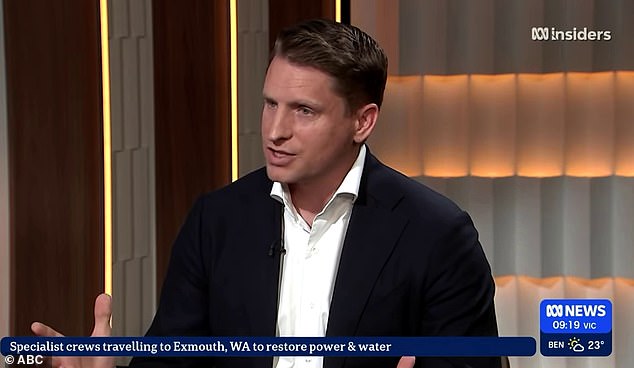
Speaking on national television, the MP expressed a pro-American stance but did not shy away from criticising what he described as a “huge miscalculation” regarding Iran. He argued that the ongoing conflict was effectively holding the global economy hostage, with Australia bearing a disproportionate burden due to its position at the far end of extensive supply chains.
“If I have to choose between the United States and Israel and Iran, I’m going to choose democracies rather than a murderous regime which has ambitions to build a nuclear weapon and potentially use it against Israel and the US and allies,” the MP stated. He elaborated on the importance of honest dialogue within close alliances, suggesting that while wounds from a friend can be trusted, an enemy’s overtures can be deceptive. “As a close friend of the United States, I think that we can be honest and we can ask hard questions… We can be critical of bad strategic decisions. And I think this was a huge miscalculation.”
Pre-existing Economic Headwinds
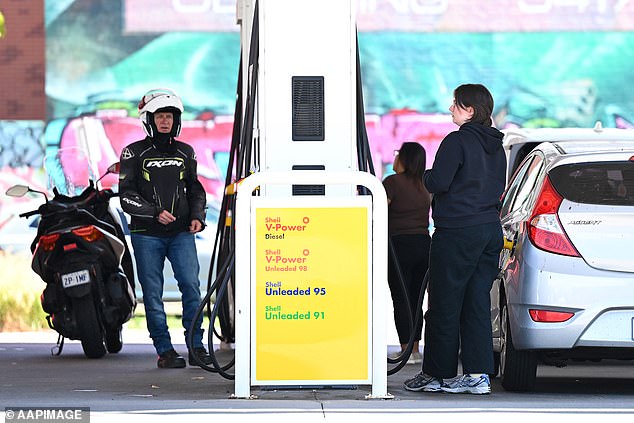
The current crisis has landed on Australia’s shores at a particularly vulnerable moment. The nation was already grappling with a challenging economic landscape, characterised by:
- High interest rates.
- Persistent inflation.
- Rising bond yields.
- Declining equity markets.
- Low consumer confidence.
Compounding these issues are significant government deficits and a national debt that is rapidly approaching the trillion-dollar mark. This financial vulnerability leaves Australia ill-equipped to absorb the shock of a dual energy crisis impacting both oil and gas.
Responding to Criticism and Reaffirming Alliances
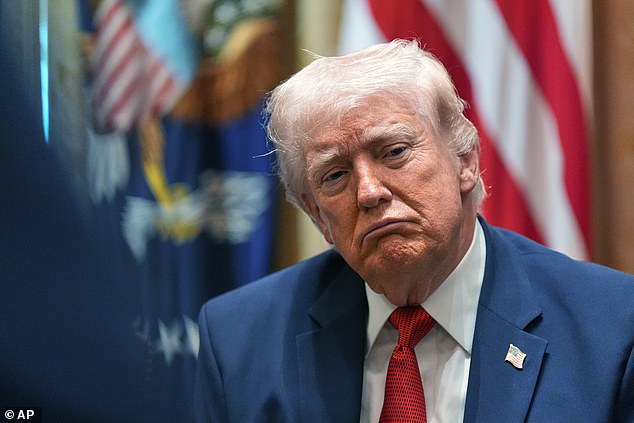
The MP also addressed criticism levelled by former US President Donald Trump regarding Australia’s involvement in the conflict. He described Trump’s remarks as striking a raw nerve, given Australia’s extensive history of unwavering support for Washington.
“It gives me a visceral reaction because I think about what we’ve done over the last 100 years with the United States,” he explained. “We were there in the First World War, the Second World War and lost 500 soldiers in Vietnam. We were there in Iraq and Afghanistan, so we’ve been a good ally.”
However, a fundamental shift in the global order has necessitated a recalibration of Australia’s strategic outlook. The MP cautioned that the world has changed dramatically, and the assumption that Washington will automatically safeguard Australia’s interests can no longer be taken for granted. “Whatever you think about Donald Trump’s rhetoric, the world has changed and we need to take that seriously,” he stressed. “This war has emphasised the need for us to be self-reliant as a nation.”
The Perils of Unilateral Action
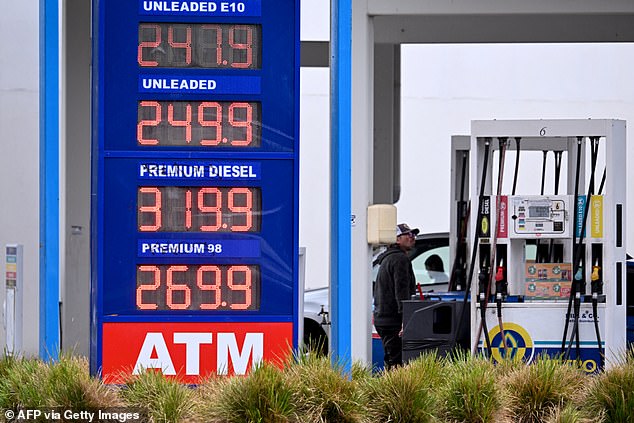
The decision by the United States to engage in military action without prior consultation with its allies has placed nations like Australia in an exceptionally difficult predicament. Many American allies, including Australia, are heavily dependent on hydrocarbon imports from the Middle East. This reliance means that any disruption to supply routes will inevitably lead to more acute economic pain for citizens and likely prompt public questioning of leadership decisions.
A Wake-Up Call for the Government
The current fuel crisis serves as a critical wake-up call for the incumbent Australian government. The nation is, according to the MP, “heading into a perfect economic storm.” The ultimate test for the Prime Minister and Treasurer will be their ability to steer the country away from a potential recession.
Securing Australia’s Energy Future
The ramifications of the conflict could persist for weeks, if not months, with no immediate prospect of an international naval coalition being established to secure vital shipping lanes. Australia, heavily reliant on oil imports transiting through Asia, finds itself in a particularly challenging position. The resolution of the immediate crisis in the Strait of Hormuz could take an extended period, with best-case scenarios suggesting a resolution no earlier than late April, but with the possibility of a much longer duration.
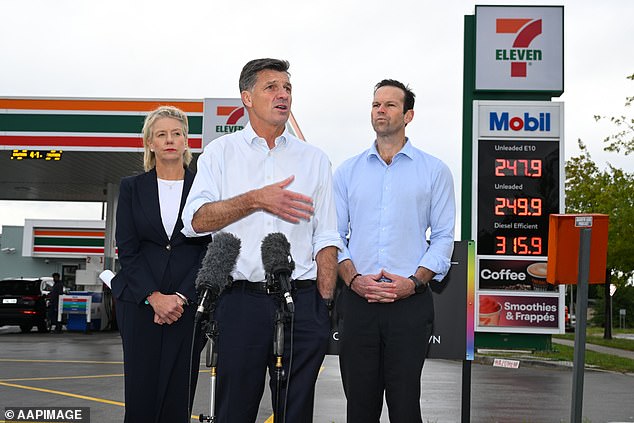
While backing emergency government measures to secure fuel supplies, the MP also called for greater transparency and decisive leadership from the Prime Minister. “The Prime Minister needs to be speaking daily to the nation and giving people confidence that the situation is under control,” he urged.
Furthermore, the Coalition’s proposal to temporarily halve the fuel excise was reiterated as a necessary measure to alleviate the economic burden on families and tradies, warning that unaffordable fuel prices pose a significant threat to the nation’s economic stability and risk pushing the country into recession.
Looking beyond immediate relief, the MP advocated for a fundamental reassessment of Australia’s energy policy. He even suggested exploring options such as coal-to-liquid fuel production as a means of bolstering national security. “If we do not have feedstock and refining capacity in this country, we will always be vulnerable to geopolitical shocks,” he concluded.



















