

































Britons Detained in UAE Over Filming of Iranian Attacks
A campaign group has raised alarm bells, suggesting that as many as 70 UK citizens have been detained in the United Arab Emirates (UAE) following accusations of photographing or videoing Iran’s missile and drone strikes. Radha Stirling, the chief executive of Detained in Dubai, has estimated that dozens of Britons have fallen foul of the UAE’s stringent cybercrime laws.

Speaking to Sky News, Stirling expressed her concern, stating, “We’re talking approaching 50 to 70 was my estimate and possibly even more. I think by the end of this we’ll see a lot more, possibly 100, maybe 150.” This figure highlights a significant escalation in detentions linked to the ongoing conflict in the Middle East.
The situation has come into sharp focus in recent weeks. In one instance, a 60-year-old British man was detained in Dubai after allegedly filming missiles in the city. Despite reportedly deleting the footage immediately upon request, he was still taken into custody. Stirling relayed this information to The Independent at the time, underscoring the strict enforcement of media-related laws in the UAE.
Escalating Tensions and Strict Enforcement
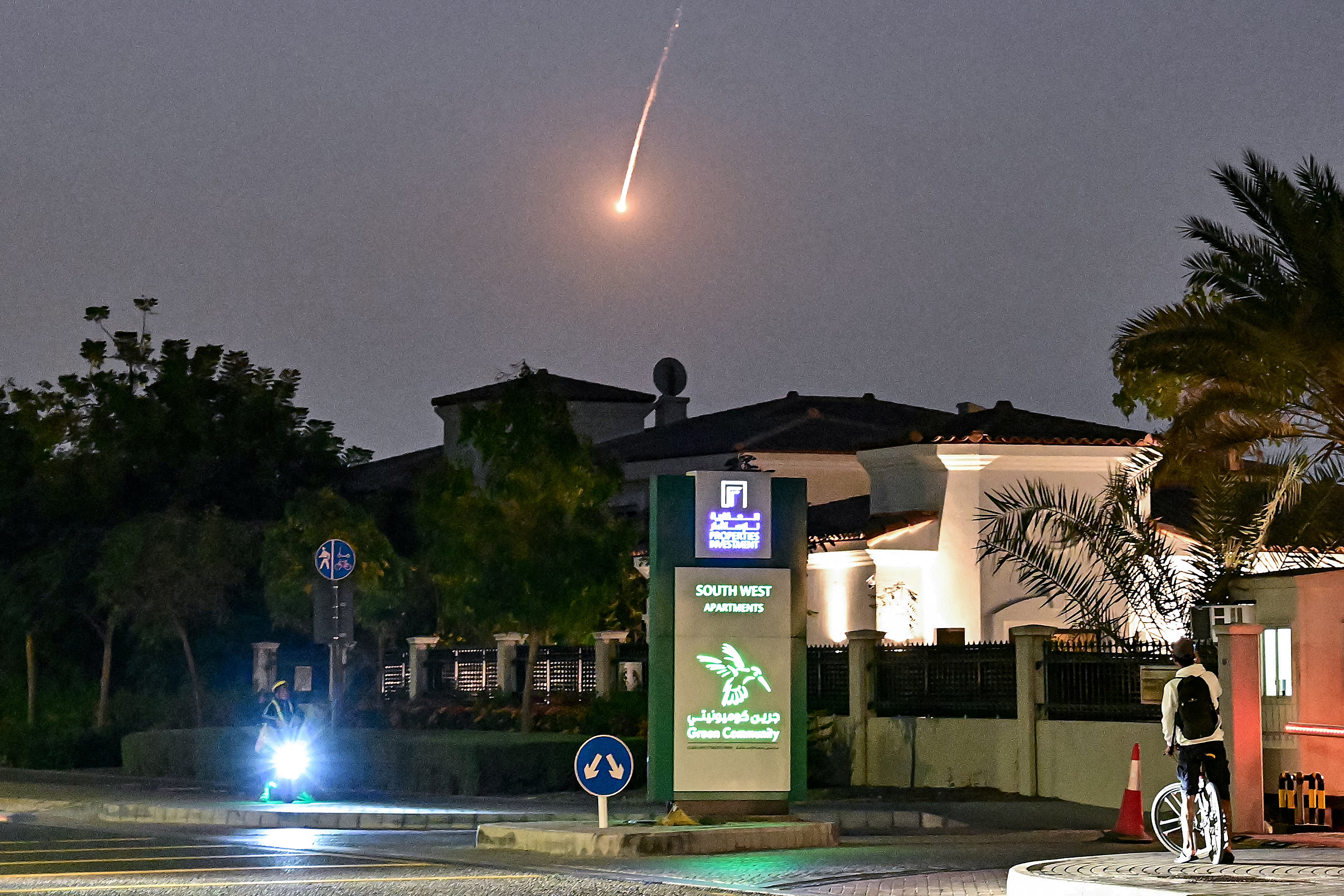
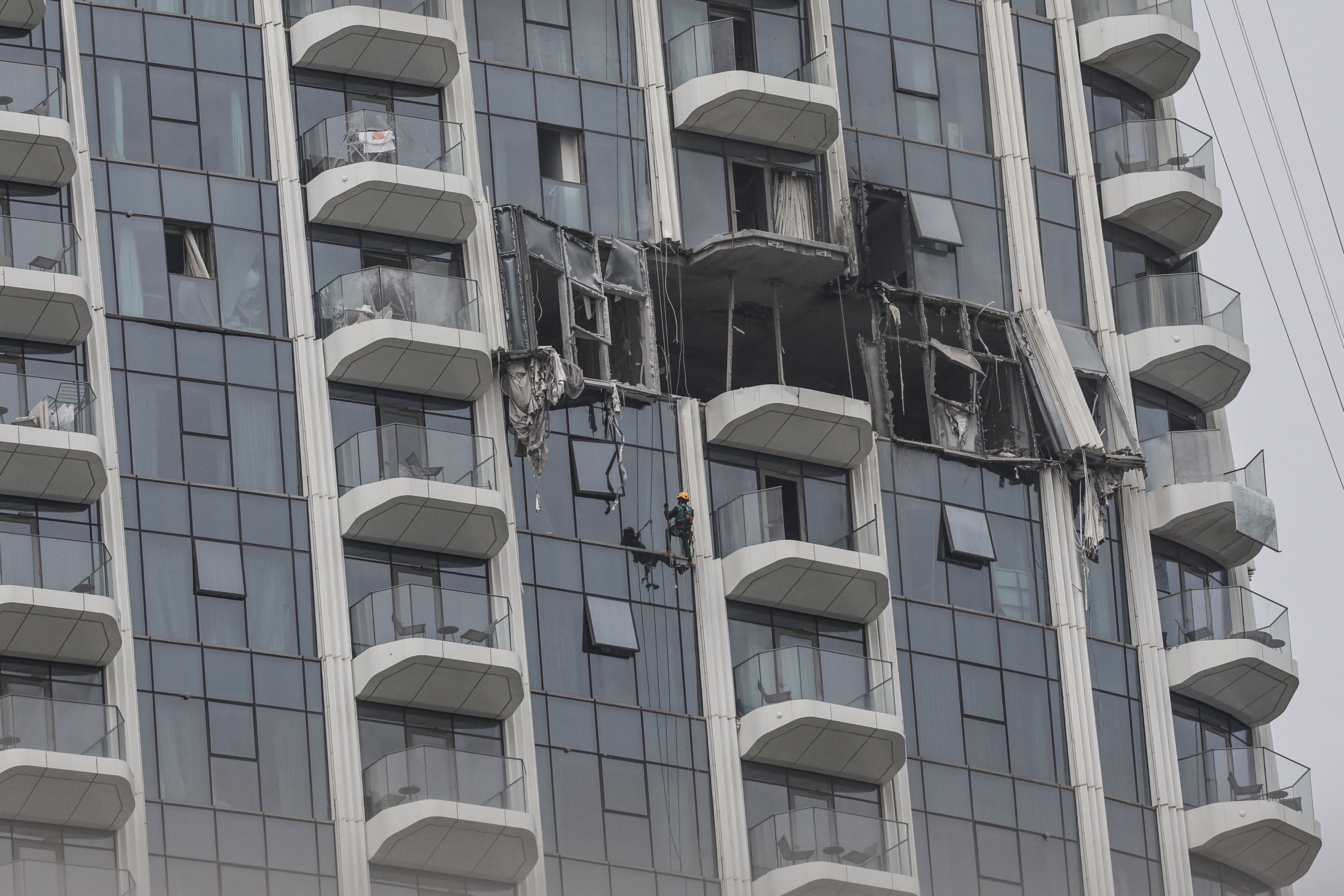
The UAE has been a consistent target of Iranian missile and drone attacks since the outbreak of hostilities in the Middle East in late February. Official figures from the UAE’s Ministry of Defence indicate that Iran has launched over 2,300 drones, ballistic missiles, and cruise missiles towards the Gulf state.
In response to this heightened security environment, Radha Stirling has warned of an “extensive cybercrime enforcement campaign” being implemented by the UAE. This campaign, she noted in a blog post, appears to be targeting individuals who have filmed, shared, or even discussed events related to the missile and drone activity within the country.
A particularly worrying aspect, according to Stirling, is the increasing classification of these cases under national security frameworks. This classification can lead to severe penalties, prolonged detention periods, and a significant curtailment of access to due process for those arrested.
Official Warnings and Media Responsibility
Early in the conflict, the Dubai Media Office issued a public warning. This crackdown was aimed at what they termed “outdated” and “misleading” videos and images of past fire incidents within the city, which some reports suggest may have been conflated with current events.
The official statement urged the public and media to rely exclusively on official sources for accurate information and to refrain from disseminating unverified material. It explicitly stated that legal action would be pursued against any individuals or entities that publish or republish content in violation of UAE law.
Consular Assistance and Diplomatic Engagement
The UK’s Foreign, Commonwealth and Development Office (FCDO) has confirmed that it is providing consular assistance to a “small number” of British nationals who are currently detained in the UAE. While British nationals are not legally obligated to inform the FCDO of their detention, the department maintains a 24/7 support service for Britons abroad.
It is understood that five British nationals are currently receiving consular support specifically in connection with charges related to taking images of Iranian attacks. Several other individuals have reportedly already been released.
An FCDO spokesperson commented on the situation, stating: “We are providing consular assistance to a small number of British nationals detained in the UAE in connection with this issue, and our Ambassador is engaging with the Emirati authorities about their cases.” This diplomatic engagement highlights the seriousness with which the UK government is treating these detentions.
The situation underscores the delicate balance between national security concerns and the rights of individuals, particularly in a region experiencing significant geopolitical tension. The strict enforcement of media laws, coupled with the complexities of international relations, has created a challenging environment for foreign nationals in the UAE.



















