New Genetic Insights into Autism Risk
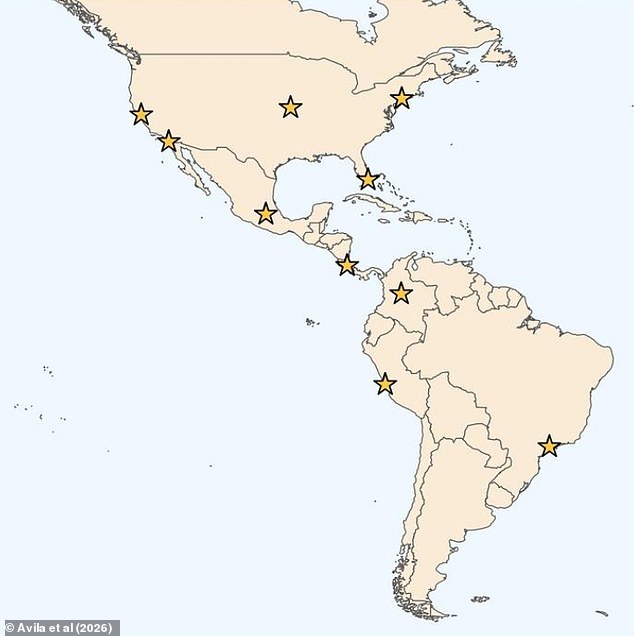
Scientists have made a significant breakthrough by identifying dozens of genetic traits that could help determine who is at risk of developing autism. This discovery comes from one of the largest studies of its kind, where researchers in New York analyzed genetic data from over 15,000 individuals across North, Central, and South America. Among these participants were 4,700 individuals diagnosed with autism.

The study linked 35 genes to the condition, offering what the research team calls a ‘road map’ for diagnosis. While these genes were not previously unknown, this study stands out because it focused on people of Latin American ancestry, a genetically diverse group that includes indigenous American, West African, and European genetic backgrounds. Unlike previous studies that primarily focused on European populations, this research provides new insights into the genetic factors associated with autism in non-European groups.
A Step Toward Universal Diagnosis
Dr. Joseph Buxbaum, an autism expert at Mount Sinai and a key researcher in the project, emphasized the importance of these findings. He stated, “Our results indicate that the core genetic architecture of autism is shared across ancestries. This suggests that the biology underlying autism is universal.”
This universality reinforces the need for diverse representation in genetic research. By including under-represented populations, scientists can reduce health disparities and advance precision medicine for autism and related conditions. The study was published in Nature Medicine and involved the Genomics of Autism in Latin American Ancestries (GALA) Consortium, which collects genetic data from Latin American individuals.
Participants in the study were diagnosed with autism using expert clinical evaluations based on the Diagnostic and Statistical Manual of Mental Disorders, 5th edition (DSM-5). This updated standard defines autism as a condition characterized by persistent difficulties in communication and social interaction. It includes deficits in social-emotional responses, such as not responding to one’s name, avoiding eye contact, and struggling to maintain relationships. The definition also encompasses individuals with classic autism, Asperger’s Syndrome, and those with milder communication challenges.
Key Genetic Findings
From the dataset, researchers examined information on 18,000 genes and identified patterns that linked changes in 35 genes to a higher risk of autism. These genes are often associated with brain function and tend to remain relatively stable across different populations. Among the notable genes are PACS1, which codes for a protein involved in transporting materials within the brain, and YWHAG, which plays a critical role in brain development.
These findings help address a significant gap in autism research. Most prior studies have focused on European populations, leaving non-European groups underrepresented. By analyzing genetic data from Latin American individuals, the study contributes to a more comprehensive understanding of autism’s genetic basis.
Implications for Diagnosis and Treatment
Autism is typically diagnosed through in-person evaluations, but genetic tests can also be used to detect autism-linked genetic changes or rule out other conditions. Early diagnosis and intervention are crucial, as they can significantly improve outcomes for individuals with autism. Experts emphasize that early support in learning, development, and behavior can help patients acquire essential social, communication, and behavioral skills.
While there is currently no cure for autism, ongoing research continues to uncover new ways to understand and manage the condition. With the growing awareness of autism and the expanded definition of the disorder, more individuals are being diagnosed, leading to increased efforts in research and treatment.