

































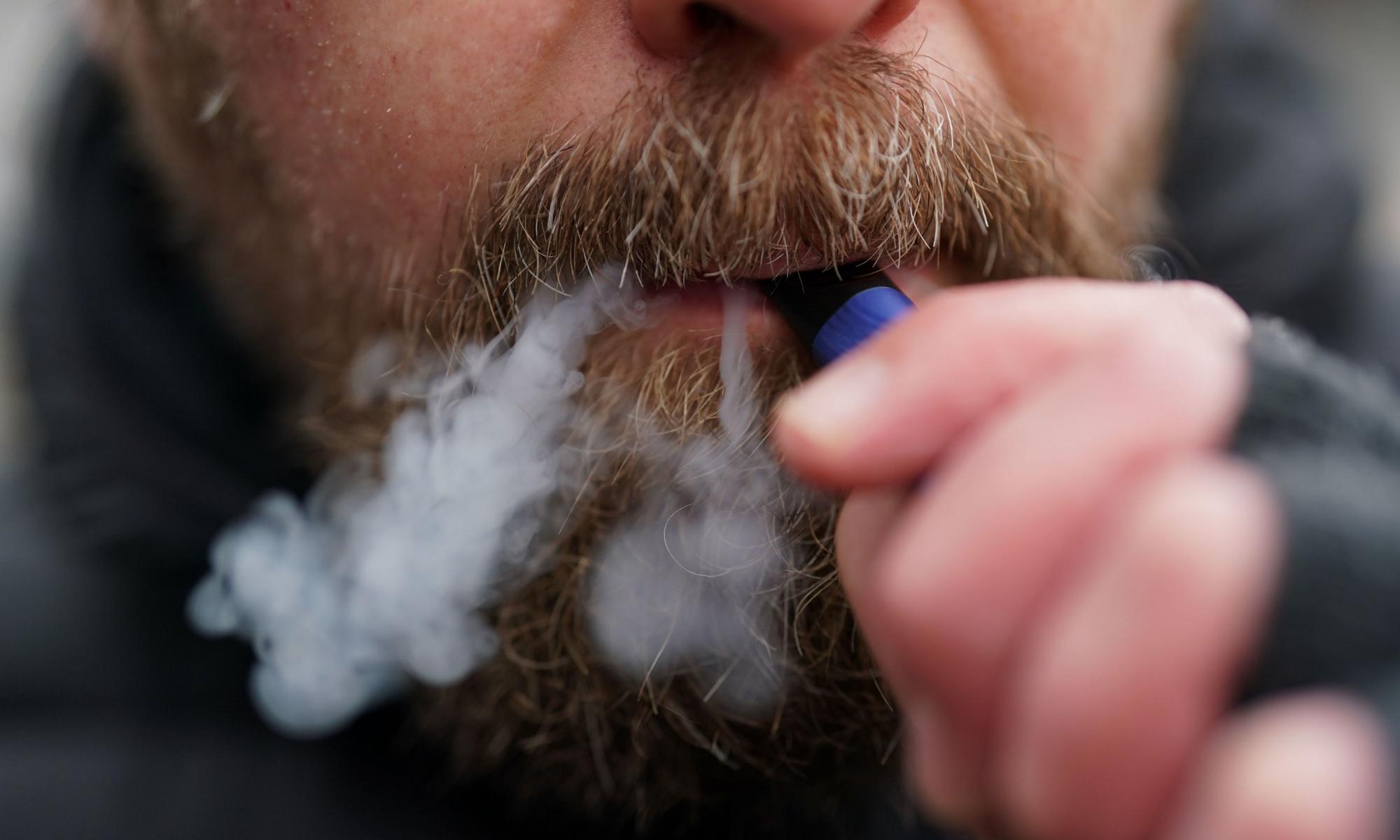
The concerning reality of vaping is coming into sharper focus, with new research suggesting a significant link to lung and oral cancers. Researchers are urging regulatory bodies to take immediate action, rather than waiting for decades of definitive data to emerge.

A comprehensive analysis, spearheaded by UNSW in Sydney, has delved into a wide array of scientific evidence. This extensive review, encompassing animal studies, human case reports, and laboratory research published between 2017 and 2025, represents one of the most thorough assessments to date concerning the potential carcinogenicity of nicotine e-cigarettes.
Early Warning Signs of Cancer Risk
Adjunct Professor Bernard Stewart, a co-author of the study, highlighted the presence of early warning signs in the body that are strongly associated with cancer development. These include DNA damage and inflammation. The review, published in the journal Carcinogenesis, found that vaping is indeed linked to these pre-carcinogenic changes.
“There is no doubt that the cells and tissues of the oral cavity, the mouth and the lungs are altered by inhalation from e-cigarettes,” Professor Stewart stated.
The Challenge of Long-Term Data
The relatively recent invention of modern e-cigarettes in the early 2000s means there is a scarcity of long-term data from large populations of vapers who have subsequently developed cancer. This lack of extensive historical data makes it challenging to establish definitive risk levels. Compounding this issue is the common practice of many vapers also being smokers, which complicates efforts to isolate the specific effects of vaping from those of traditional tobacco use.
Consequently, the review did not aim to quantify the exact number of people who might develop cancer from vaping. Instead, its focus was on evaluating whether vaping induces the biological changes known to predispose individuals to cancer.
Case Studies and Animal Research
Despite the limitations in long-term human data, the review did incorporate case reports from dental professionals. These reports noted the occurrence of oral cancer in individuals who had exclusively vaped and had no history of smoking. Furthermore, the study examined animal research, including a study where mice exposed to e-cigarette vapour exhibited a higher incidence of lung tumours compared to their unexposed counterparts. While Professor Stewart acknowledged that such findings in animals do not always directly translate to humans, he stressed their significance.
“On the basis of all of that knowledge … we determined e-cigarettes are likely to cause lung cancer and oral cancer, though we cannot say how great that burden will be,” he concluded.
Learning from the Past: The Smoking Analogy
Lead author of the study, epidemiologist Associate Professor Freddy Sitas, drew a parallel with the history of smoking. He pointed out that it took nearly a century of accumulating evidence before the US Surgeon General officially recognised smoking as a cause of lung cancer in 1964.
Calvin Cochran, a research fellow at the University of Otago’s Department of Public Health in New Zealand, elaborated on this historical perspective. He noted that approximately 8,000 studies were ultimately assessed to reach the conclusion about smoking’s harms, despite earlier warning signs that were often downplayed or dismissed, even by medical professionals.
“We risk repeating that same fate with vaping if we don’t take emerging research and warning signs seriously,” Cochran cautioned. “Every study like this should be considered seriously by policymakers, governments, and health organisations. There is likely going to be no planting the flag moment where we can conclusively say vaping causes x, y, z types of cancer. That is years and most probably decades away.”
Professor Sitas argued that unlike smoking, which was once afforded the benefit of the doubt, vaping should not be treated with the same leniency given the existing strength of the carcinogenicity data.
“We’ve always assumed that vapes are safer than cigarettes, but you know, what we’re showing is that they might not be safe after all. We have no conclusive way in which to get people off the vapes,” he stated. “So in smoking, we’ve got ways in nicotine gum, various drugs that we can give people to stop them from smoking. The evidence regarding people stopping vaping is very inconclusive.”
A Call for Regulatory Action
Professor Sitas emphasised the urgent need for regulators to intervene and protect the public, particularly young people, from the potential harms of vaping.
“What is important is that regulators have at their disposal the full spectrum of evidence,” he urged. “It’s not an alternative to smoking … It’s not an alternative to anything in the context of being safer; it is dangerous, and that’s the message.”
However, Professor Stephen Duffy from Queen Mary University London cautioned against overstating the immediate risks. He suggested it would be an “overinterpretation” to equate the current findings with the established harms of smoking. Professor Duffy pointed out that “vaping does not involve exposure to the combustion products in smoking which have massive carcinogenic effects.”
Nonetheless, Professor Stewart reiterated the importance of evaluating vaping’s risks independently. He noted that vaping is often assessed in comparison to smoking, but it is crucial to determine whether vapes pose a cancer risk “in their own right.”
Protecting Young People and Informing Policy
Professor Becky Freeman, a tobacco control researcher at the University of Sydney, underscored the significance of the new study. “This study is the first to assert that there is likely an increased cancer risk for people who vape, compared to people who do not vape,” she commented.
“This information is particularly important for young people who have never smoked,” Professor Freeman added. “Vaping is not a safe alternative to smoking for nonsmokers. The results of this paper reinforce that Australian laws that limit vapes to pharmacy-only access for people who are using them to quit smoking are the right approach. Preventing young people from accessing vaping products, while also providing a tightly regulated channel for those using them to quit smoking, is a balance.”



















