

































Public Transport Fare Relief: A Tale of Two States and a Nation Divided
As the nation grapples with escalating cost-of-living pressures, exacerbated by a global fuel crisis, a stark divide has emerged among Australian states regarding public transport accessibility. While Victoria and Tasmania have rolled out significant fare relief measures, New South Wales has firmly ruled out free travel, opting instead for a long-term strategy to address economic headwinds.

Victoria and Tasmania Lead the Charge with Free Fares
In a move designed to ease the financial burden on commuters, both Victoria and Tasmania have announced substantial periods of free public transport. Victorian Premier Jacinta Allan confirmed that all public transport across the state, encompassing Melbourne’s extensive network of trains, trams, and buses, as well as regional train, coach, and bus services, would be free of charge from Tuesday, March 31st, to Thursday, April 30th.
Tasmanian Premier Jeremy Rockcliff followed suit, announcing free travel on buses and ferries from March 30th until July 1st. Premier Rockcliff highlighted this initiative as one of the state’s most significant cost-of-living measures. He also noted a substantial surge in public transport usage in Tasmania since the onset of the Middle East conflict, with a reported 20 per cent increase across the state in the preceding week, indicating a growing reliance on these services as an alternative to private vehicle use.
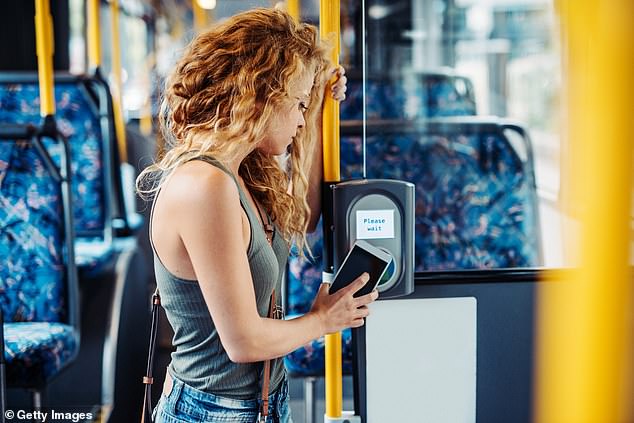
New South Wales Opts for a Different Approach
In contrast, the New South Wales government has categorically stated it will not be following the lead of its southern counterparts. NSW Transport Minister John Graham made it clear that the state would not be introducing free public transport, even for short durations like a weekend or a month. Graham indicated that NSW intends to focus on delivering more enduring relief from the economic shocks stemming from global events, rather than implementing what he termed “short-term gestures.”
“We are seeing a switch to public transport providing daily cost-of-living relief, as an alternative to people jumping in their cars and using fuel,” Graham stated. However, he was unequivocal: “We’ve seen some other states doing some awesome calls for free public transport, and I want to be clear, the NSW government isn’t going down the path of free public transport for a couple of days or for a month.”
The NSW government’s rationale centres on the expectation that economic pressures will persist for an extended period. Minister Graham emphasised the need to “keep our powder dry to be able to assist the broader economy” through more strategic, long-term interventions.
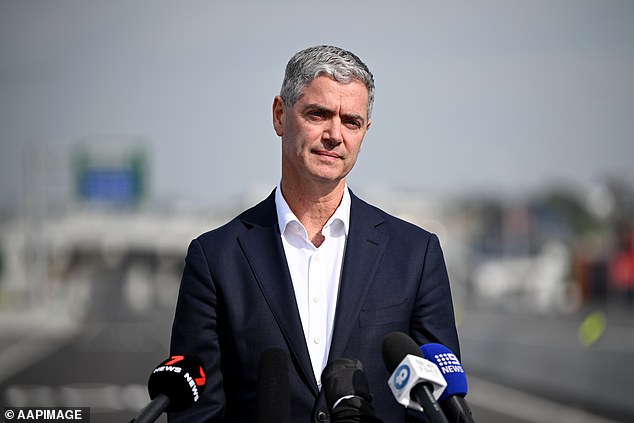
Metro Shutdown Sparks Commuter Frustration
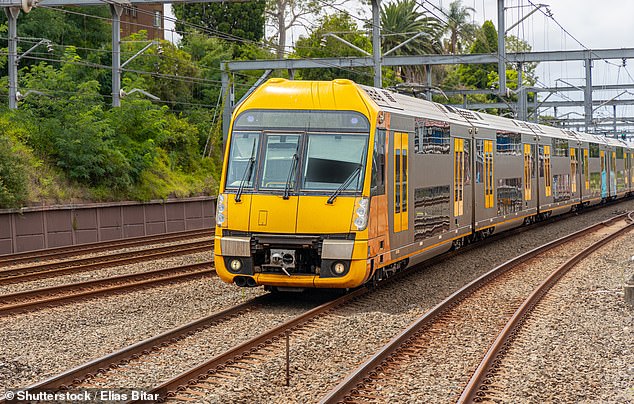
Adding to the transport woes in NSW, Minister Graham also confirmed that Sydney Metro trains would be shut down over the four-day Easter long weekend. This shutdown, he explained, is essential for crucial testing in preparation for the highly anticipated opening of the Sydney Metro Southwest.
“We won’t be cancelling the testing on the metro over the Easter long weekend,” Graham asserted. “Rail services will be running, and light rail services will be running to make sure that people can get around.” He stressed that delaying these tests would be unfair to the communities in Sydney’s southwest who have been waiting a considerable time for the new metro line to open. “It wouldn’t be fair on them if we were to delay the opening of the Southwest Metro as a result of delaying the testing over the Easter weekend.”
The Cost of Free: Service Reliability and Investment
The NSW government’s stance against free public transport is also underpinned by concerns about the financial implications for service quality. Minister Graham warned that scrapping fares, even temporarily, could jeopardise service reliability and hinder essential investment in the public transport network. “All that money, of course, goes back into the public transport system,” he argued. “Making it reliable, making sure that we’re able to have those trains turn up on time.”
Instead of fare reductions, the NSW government is pointing to measures such as fare caps and ongoing investment in services as its preferred strategy for alleviating pressure on commuters.
Opposition Calls for Action Amidst Fuel Crisis
Meanwhile, the NSW Opposition has voiced strong criticism, urging the government to reconsider its position. Opposition Leader Kellie Sloane has called for free public transport over the Easter long weekend and advocated for other measures to combat the cost-of-living crisis.
“We have been urging the Minns Labor Government to back calls for a cut to the fuel excise, to support our legislation on fuel price transparency, requiring retailers to publicly report and lock in maximum daily fuel prices, and to deliver free public transport over the Easter long weekend,” Sloane stated. She believes that free public transport would directly benefit families by putting money back into their pockets and would provide much-needed support to local businesses.
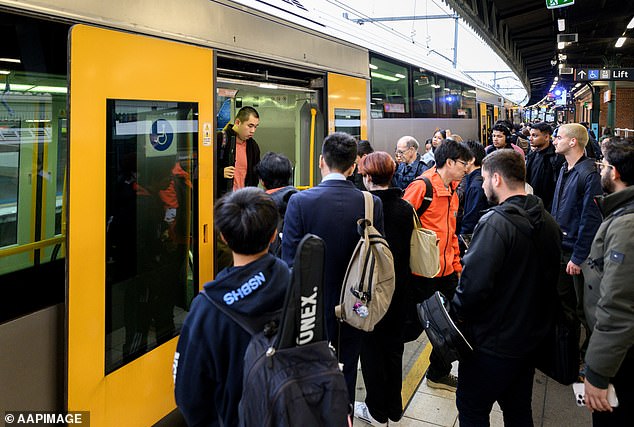
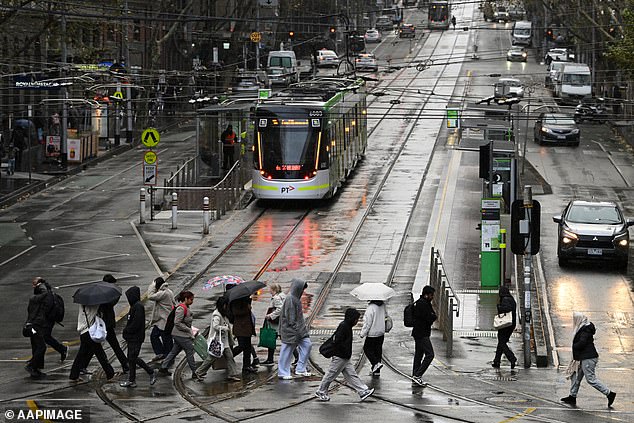
Other States Weigh In
The trend of free public transport is not exclusive to Victoria and Tasmania. In the Northern Territory, bus services in Darwin and Alice Springs have already been operating free of charge since July 2024.
However, South Australia and Western Australia have also indicated they will not be introducing free fares. WA Premier Roger Cook wryly commented, “Rick Astley was top of the charts when fares were this low in Western Australia back in the 1980s,” drawing a parallel to a bygone era of cheaper travel.
National Cabinet to Address Broader Concerns
The escalating fuel crisis and its impact on household budgets are also on the national agenda. Prime Minister Anthony Albanese is set to meet with state and territory leaders at a national cabinet meeting to discuss emergency measures. These discussions are expected to include strategies for greater transparency at fuel stations, potential adjustments to work-from-home arrangements, and renewed calls for relief at the pump.
As the economic landscape continues to shift, the differing approaches to public transport pricing across Australia highlight the complex challenges governments face in balancing immediate relief with long-term sustainability and infrastructure investment. The ongoing fuel shortages, with significant numbers of service stations across NSW reporting depleted stocks, further underscore the urgency of finding effective solutions to ease the cost-of-living pressures on everyday Australians.



















