Defying Expectations: Nonverbal Autistic Man Pens Powerful Novel
A remarkable young Australian man, Woody Brown, has shattered the limitations once imposed by medical professionals, achieving a significant literary milestone. At just 28 years old, Woody, who is non-speaking and has severe autism, has authored a novel titled Upward Bound. This compelling work offers a vivid portrayal of life within an adult day care facility, brought to life through a diverse cast of characters. The book is slated for publication, a testament to Woody’s unwavering dedication and consistent effort.

Woody was diagnosed with severe autism as a toddler. His nonverbal nature led many to dismiss him, viewing him as someone with little potential. Doctors at the time held the belief that he would struggle to process language, making any attempt to explain complex concepts to him seem futile. However, his mother, Mary, refused to accept this prognosis. Driven by a fierce advocacy for her son, she embarked on a persistent quest to find effective methods for him to communicate.
A Journey of Communication and Authorship
The breakthrough came when Woody was five years old. His mother discovered a revolutionary communication system developed by Soma Mukhopadhyay, a woman who had pioneered a method to connect with her own nonverbal autistic son. This system involved the use of a spelling board.
From this newfound ability, Woody revealed a lifelong ambition. Using the spelling board, he communicated to interviewers that his dream of becoming an author had existed since he was just eight years old. Upward Bound is deeply rooted in his personal experiences, drawing from the nuances of his own life and observations.
Woody’s writing process was one of meticulous daily effort. With his mother’s steadfast support beside him, he committed to writing a paragraph each day, painstakingly building his narrative. This consistent approach allowed him to construct his story “brick by brick.” The novel delves into the profound challenges of articulating one’s thoughts and the deep frustration of being perceived as incapable of understanding.
Bridging Worlds: A Message of Shared Humanity
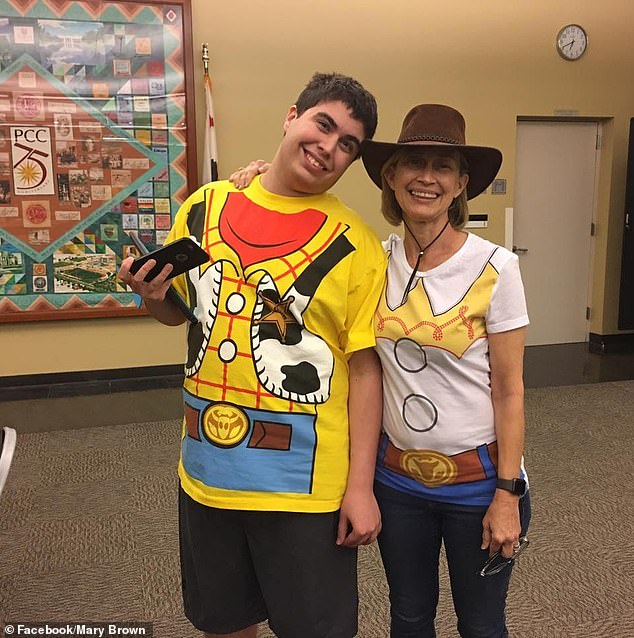
Woody’s core motivation behind Upward Bound is to connect with neurotypical readers. He expressed his desire to reach those well-intentioned individuals who may not realise the fundamental similarities that exist beneath the surface. “I have all the thoughts, dreams, longings, and intelligence as any neurotypical person,” Woody spelled out. “I just present a little differently.” This statement encapsulates the essence of his work: a plea for understanding and a celebration of shared human experience, regardless of communication style.
The creation of Upward Bound was a significant undertaking, spanning two and a half years. Mary explained that while Woody is capable of using a keyboard, he finds the letter board to be his preferred method of communication for writing. This preference stems from his fine-motor difficulties, which can make typing a physically challenging task.
The Writing Process: A Collaborative Effort
The mother-son writing partnership is a beautifully illustrated example of their bond and Woody’s creative process. They shared an insight into how Woody crafts his narratives, using an example from his second book, Alfie. This story centres on an autistic man’s quest to rekindle a treasured bond with a former baseball prodigy from their youth.
Mary described how she would present Woody with a selection of words on his letter board. He would then carefully spell out his chosen words, which she would meticulously type. Following this, she would read the typed text back to him, ensuring that she was accurately capturing his intended meaning and vision. This collaborative approach ensures that Woody’s voice and perspective remain central to the narrative.

Critical Acclaim and Academic Success
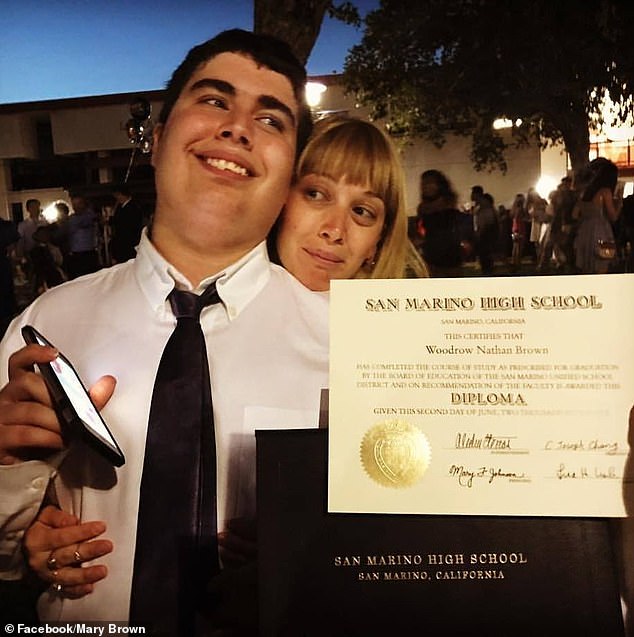
Woody’s 208-page novel has already begun to garner significant praise, including accolades from the esteemed award-winning author Paul Beatty. Beatty, who was once Woody’s professor at Columbia University, where Woody pursued his master’s degree in creative writing, has been a vocal supporter.
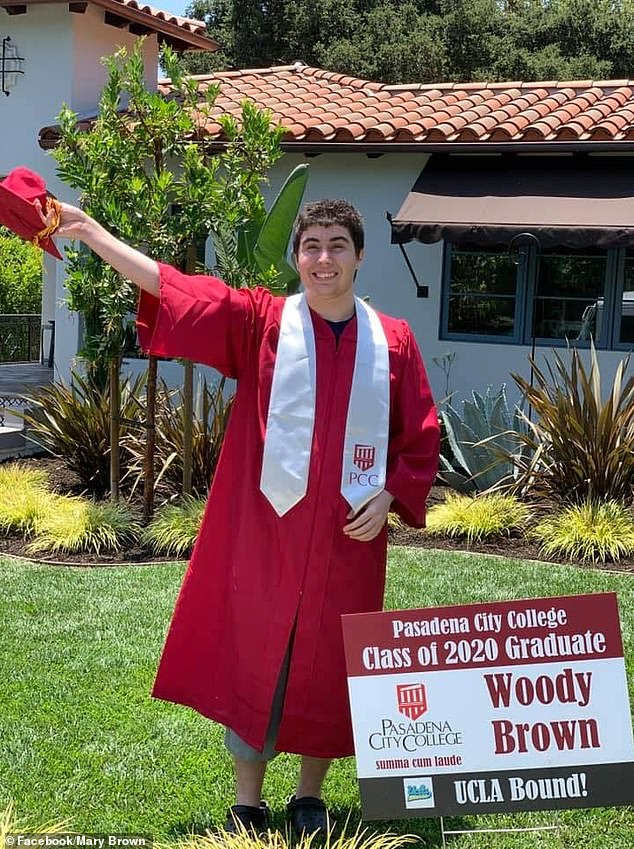
Woody’s academic achievements are equally impressive. He holds the distinction of being the first nonverbal autistic person to graduate from the University of California Los Angeles (UCLA), where he earned a degree in English.
Beatty shared his astonishment with interviewers regarding Woody’s extraordinary ability to imbue his novel with such a diverse range of voices and perspectives. When questioned about how he managed to capture the inner lives of neurotypical individuals, Woody offered a profound and insightful response that perfectly echoed the spirit of Upward Bound.
“I live with neurotypical people, and I’ve met many,” Woody spelled. “It wasn’t difficult to imagine their lives and thoughts, whereas they have trouble imagining mine.” This statement highlights a poignant observation about the reciprocal nature of empathy and understanding, suggesting that perhaps the greater challenge lies in bridging the gap of imagination from the neurotypical perspective.