

































Step Back in Time: Melbourne Museum Unveils Immersive Roman Exhibition
Imagine the roar of the crowd, the scent of olive oil, and the sheer scale of an empire that shaped the Western world. For those who have dreamt of walking through the ancient Colosseum or experiencing the communal rituals of Roman baths, a groundbreaking new exhibition at Melbourne Museum offers an unprecedented opportunity. “ROME: Empire, Power, People” transports visitors directly into the heart of this captivating era, blending priceless antiquities with cutting-edge immersive technology.
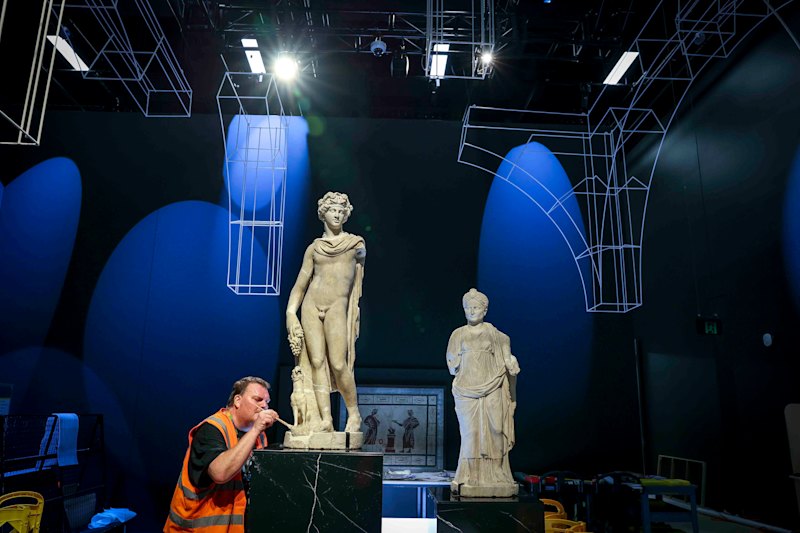
This extraordinary exhibition showcases 180 meticulously curated objects, predominantly on loan from Italy’s most esteemed institutions, the Museo Nazionale Romano and the Museo Archeologico di Firenze. Astonishingly, all but one of these artefacts are making their Australian debut, promising a truly unique cultural experience for visitors.
A Journey Through Time and Space
The artefacts themselves are a testament to the grandeur and daily life of the Roman Imperial period, spanning the first to third centuries AD. These priceless relics undertook a remarkable journey to reach Melbourne. Their transport plane was rerouted from Dubai to Hong Kong to circumvent conflict zones in Iran, a tense flight that undoubtedly kept museum staff glued to their flight trackers.
The exhibition promises a rich tapestry of Roman life, featuring:
- Marble busts of emperors and empresses, offering intimate glimpses into their likeness and status.
- Vibrant frescoes that once adorned the walls of Roman villas, depicting scenes of mythology, daily life, and nature.
- Exquisite jewellery that speaks to the wealth and artistry of the period.
- Cherished children’s toys, reminding us of the universal experiences of youth across millennia.
Immersive Encounters with Roman Culture

Beyond the static display of artefacts, “ROME: Empire, Power, People” excels in creating dynamic, experiential zones. Visitors can step into a meticulously recreated Roman bathhouse, designed to evoke the atmosphere and sensory experience of these vital social hubs. Using innovative light projections, the exhibition simulates the play of water, allowing patrons to sit in a mirrored representation of the famed Baths of Diocletian. Here, one can almost feel the coolness of the water and imagine the daily routines of Romans from all strata of society.
Another highlight is an area designed to simulate the electrifying spectacle of gladiatorial combat. By placing visitors within a specially designed space, the exhibition aims to recreate the visceral thrill and overwhelming scale of watching fighters clash within the iconic Colosseum. This experiential approach is further enhanced by a relief depicting combats between two Provocatores, dating back to approximately 30 AD, offering a tangible connection to these ancient spectacles.
The enduring fascination with the Roman Empire, fuelled by popular culture like the films Gladiator and Spartacus, and series like HBO’s Rome, is undeniable. The recent viral social media trend asking men how often they think about the Roman Empire, with the common answer being “every day,” underscores this persistent cultural resonance.
Curatorial Vision: Ambition, Life, Luxury, the Divine, and Eternity
The exhibition’s conceptual framework, devised by Carlotta Caruso and Sara Colontonio from Rome’s Museo Nazionale Romano, is divided into five thematic sections: ambition, life, luxury, the divine, and eternity. This structure allows for a comprehensive exploration of the empire’s multifaceted nature.
Federica Montani, head of exhibitions at Contemporanea Progetti, described the exhibition as the result of “an exceptional collaboration between Australia and Italy.” She elaborated on the curatorial aim: “Our goal was to craft an exhibition that allows visitors to step into the heart of ancient Rome – to create an experience that reveals not only the empire’s grandeur but also the humanity of the people who shaped its history.”
Key Features and Highlights:
- The Roman Baths Recreation: Based on the monumental Baths of Diocletian, this immersive space uses light and sound to recreate the feeling of bathing, a cornerstone of Roman social and hygienic practices. Visitors can imagine the use of a strigil, the ancient tool for cleansing the body.
- Livia’s Influence: A striking marble bust of Livia, wife of Emperor Augustus and mother of Tiberius, is a centrepiece. Her reputation for intelligence and political acumen highlights the significant, often understated, role of women in Roman power structures.
- The Emperors and Their Legacies: The exhibition prominently features artefacts related to emperors from Augustus to Hadrian, exploring their reigns and the vast territories they governed.
- Gladiatorial Encounters: Alongside a statuette of a gladiator, visitors can witness a relief depicting gladiatorial combat, offering a direct visual link to the arena’s brutal entertainment.
- The Power of Coinage: Nick Crotty, collections manager at Melbourne Museum, points to the exhibition’s coins as crucial historical documents. These small artefacts reveal social trends, economic conditions, political propaganda (such as Augustus depicting himself as a provider for the empire), fashion, and even hairstyles.
A Glimpse into Everyday Roman Life
While emperors and military might often dominate historical narratives, “ROME: Empire, Power, People” also shines a light on the lives of ordinary citizens. Artisans, merchants, and families are represented through various artefacts, offering a more nuanced understanding of Roman society.
The Divine and Eternal
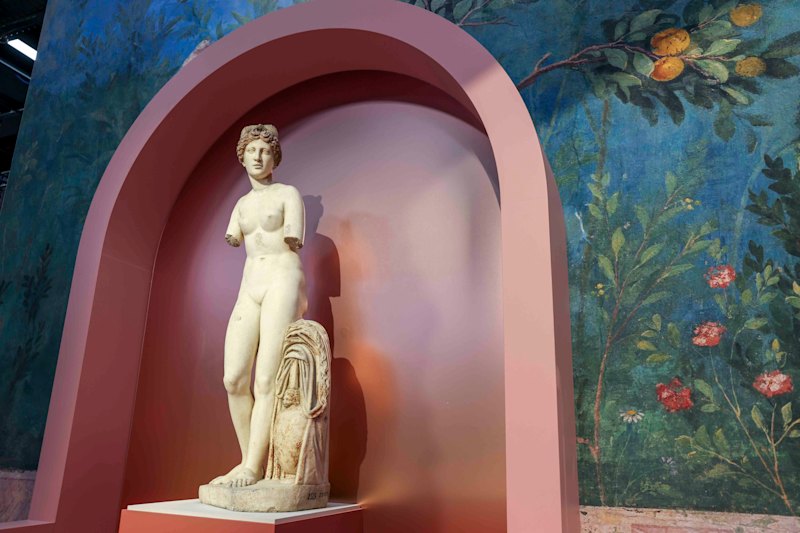
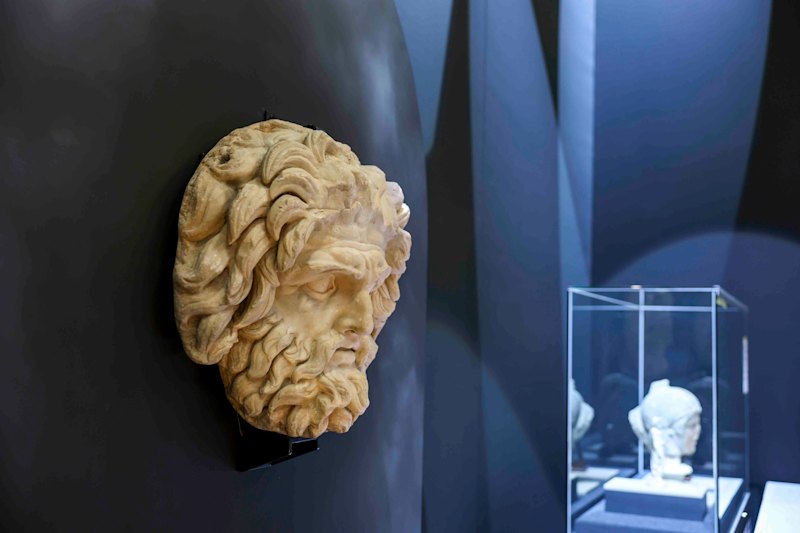
The exhibition culminates in a section dedicated to the divine and eternity. Here, visitors can marvel at an imposing marble mask of Jupiter, the king of the gods, alongside exquisite bronze statuettes of Venus (goddess of love), Diana (goddess of the hunt), and Eros (god of love). These pieces serve as a reminder of the spiritual beliefs and aspirations that permeated Roman culture.
The enduring legacy of the ancient Romans is palpable in these remarkable archaeological finds. They offer a profound connection to our ancestors, demonstrating that despite the vast temporal and cultural distance, fundamental human experiences, desires, and preoccupations remain remarkably consistent.
“ROME: Empire, Power, People” is on display at Melbourne Museum from April 1 to October 25. This is an unparalleled opportunity to experience the might, the culture, and the humanity of one of history’s most influential civilisations, right here in Australia. For many, it offers a much-needed “Roman holiday” without the need for international travel.



















