

































Queensland Explores Massive Oil Reserve Amidst Worsening Fuel Crisis
As Australia grapples with an increasingly severe fuel shortage, the Queensland government is reportedly accelerating plans to explore a colossal underground oil deposit, described as being the size of Singapore. This significant development comes as service stations across the nation report widespread stockouts, leaving many communities and industries struggling to secure essential fuel supplies.

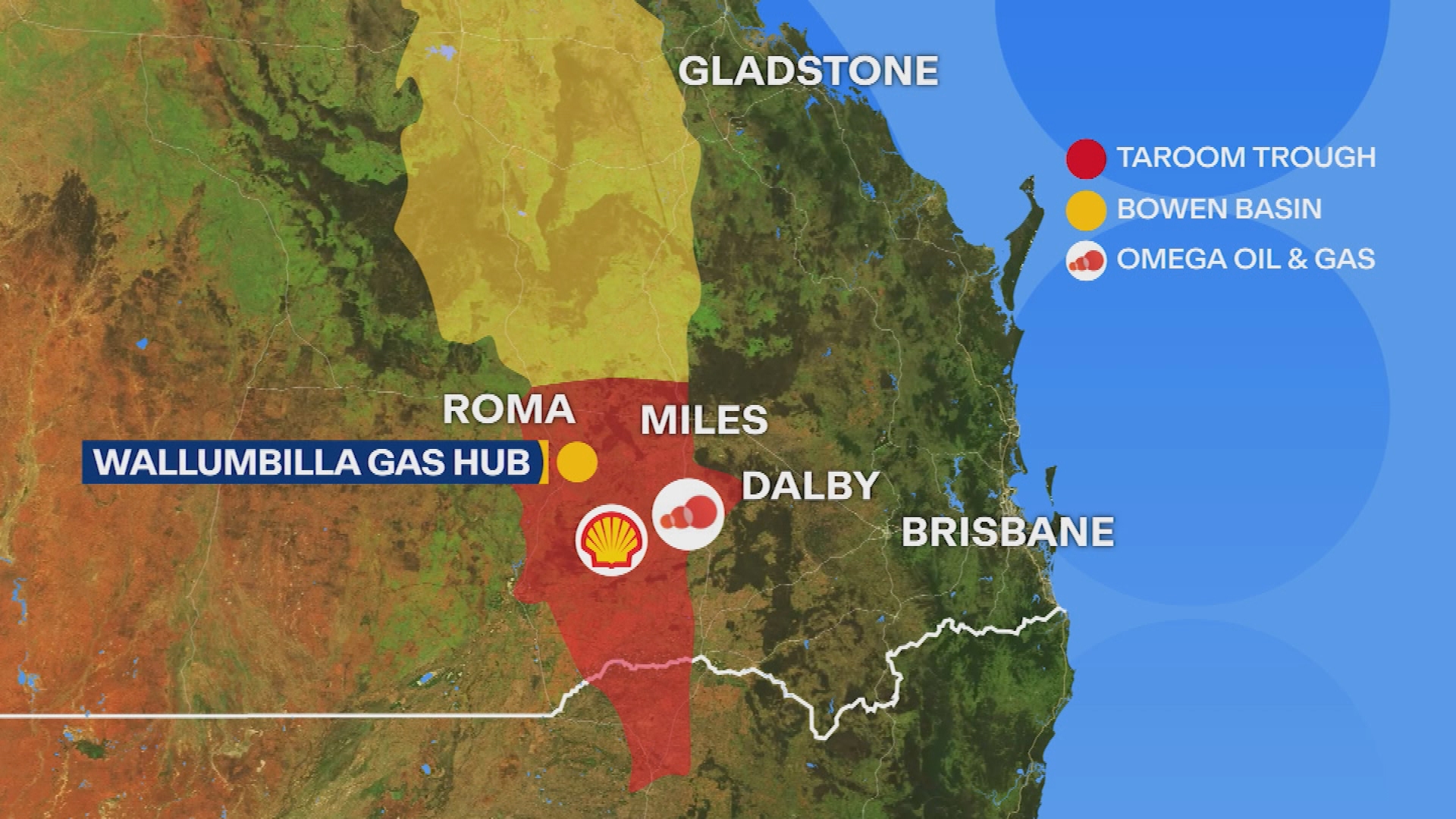
The focus of this ambitious exploration is the Taroom Trough, a geological formation located approximately 300 kilometres west of Brisbane. The Queensland government has already granted a number of companies the necessary approvals to commence exploration activities within this promising region. The initial phase of this investigation is expected to yield crucial data by the end of 2026, determining the viability of extracting oil from the Taroom Trough.
While this potential new source of fuel will not offer immediate relief from the current shortages, the timeline for extraction, if deemed feasible, could see oil being pumped from the Taroom Trough as early as 2028. This long-term strategy aims to bolster Australia’s energy security and reduce reliance on volatile international markets.
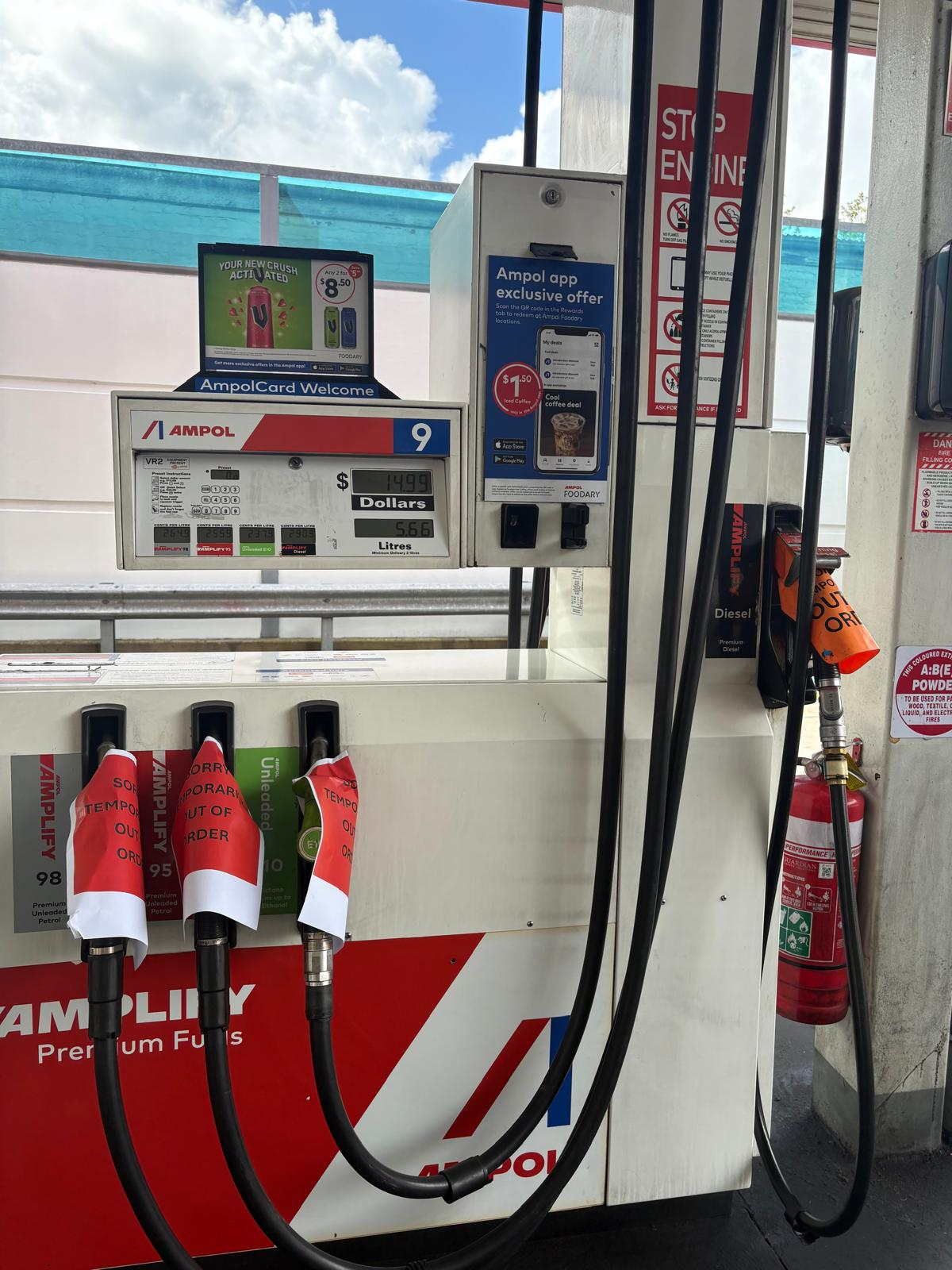
The impact of the ongoing fuel crisis is already keenly felt across Queensland, with reports indicating that over 100 service stations in the state were without fuel yesterday. This situation is mirrored in other parts of the country, highlighting the systemic nature of the problem.
Federal Government Poised to Announce National Emergency Fuel Plan
The news of the Taroom Trough exploration emerges just days before the federal government is expected to unveil a national emergency fuel plan. This initiative is designed to provide a crucial lifeline to industries that are most dependent on fuel supplies, ensuring they can secure adequate quantities to maintain operations.
The proposed plan aims to establish robust safeguards for fuel distribution, prioritising sectors such as:
- Farming: Ensuring agricultural machinery can operate to support food production and supply chains.
- Trucking and Logistics: Maintaining the flow of goods and essential services across the country.
- Emergency Services: Guaranteeing that ambulances, fire trucks, and other critical response vehicles have the fuel they need.
- Regional Areas: Addressing the unique challenges faced by communities located far from major distribution hubs.
Opposition Calls for Immediate Fuel Excise Reduction
In parallel with the government’s long-term strategies, the opposition has put forward an alternative proposal focused on immediate cost relief for Australian drivers. Shadow Foreign Minister Ted O’Brien has urged the government to slash the fuel excise tax.
“When you fill up your car, about 52 cents every single litre goes to taxation,” O’Brien stated, highlighting the significant portion of fuel costs attributable to government levies.
The opposition’s proposal advocates for halving the fuel excise for a three-month period, a move they believe would provide tangible savings for consumers at the pump.
However, implementing such a tax cut would have direct consequences for the federal budget, which currently generates billions of dollars annually from fuel excise revenue. While the government faces the challenge of balancing immediate relief with fiscal responsibility, it is also acknowledged that the current fuel crisis is likely to impact the budget regardless of policy decisions.
The coming weeks are expected to be critical as both the state and federal governments work to navigate the deepening fuel crisis, with a focus on both immediate solutions and long-term energy security for Australia. The exploration of substantial domestic reserves like the Taroom Trough represents a significant step in this ongoing effort.



















