

































Fuel Security Under Threat: Australia Grapples with Global Supply Chain Shocks
Australia is facing a persistent fuel crisis, a direct consequence of the escalating conflict in the Middle East, with Environment Minister Murray Watt warning of a “long tail” of impacts. The Albanese government is actively working to bolster the nation’s fuel supplies, announcing proposed emergency powers designed to underwrite crucial fuel cargoes. This significant move comes amidst widespread reports of hundreds of service stations running dry across the country, while prices at the pump continue their relentless ascent.

Senator Watt emphasised the government’s commitment, stating, “We are doing everything we possibly can to make sure that we get the fuel into the country and then get it around the country where it needs to be.” He highlighted the direct correlation between the duration of the Middle Eastern conflict and the disruption to global fuel supplies.
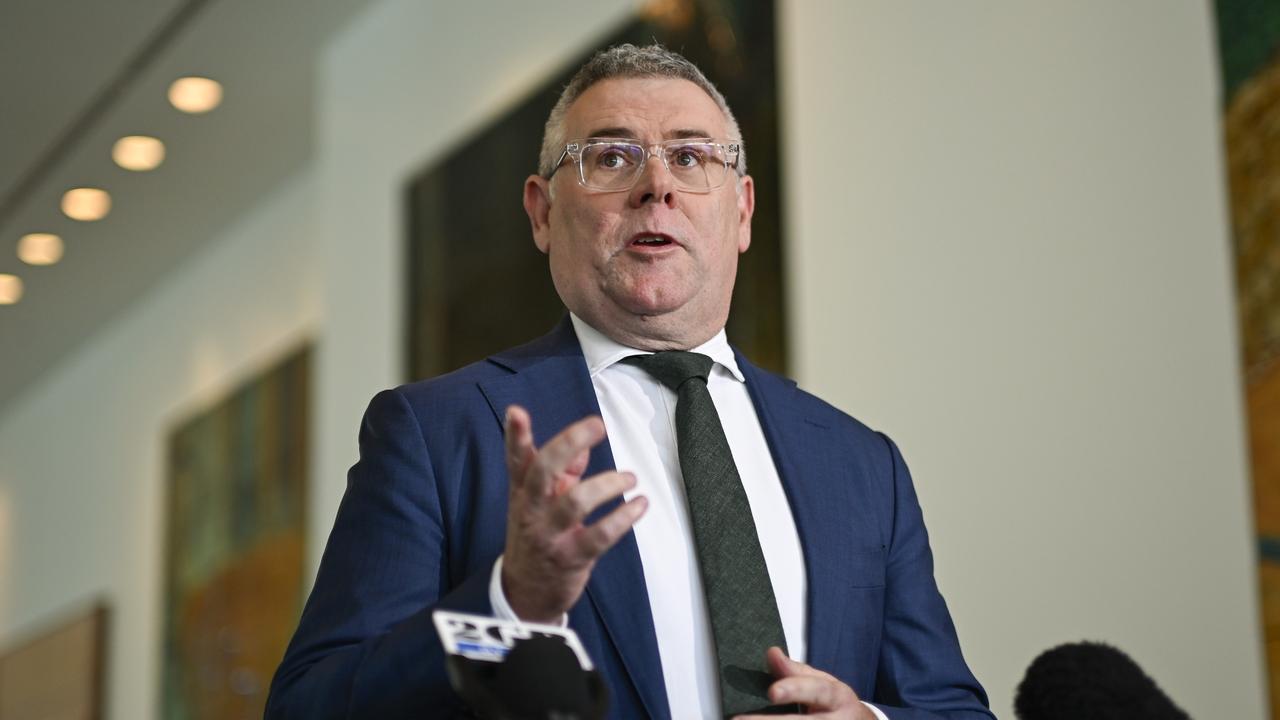
“The longer this Middle East conflict goes on, and the longer we see the Strait of Hormuz closed, the longer that is going to have an impact on petrol and diesel supplies right around the world,” Senator Watt explained. He pointed out that Australia is far from alone in experiencing these challenges, with nations globally contending with similar fuel supply and price issues. “Anywhere you look is having issues around fuel supply, fuel prices and the longer this goes on, of course, not only will it impact on family budgets, but it will impact on the national economy as well.”
While the government desires a swift resolution to the conflict, Senator Watt cautioned that even an immediate cessation would not instantly alleviate the problem. “The thing we’ve got to bear in mind is that even if this conflict was to end tomorrow, there is going to be a long tail,” he reiterated. The ongoing hostilities have unfortunately led to the destruction or damage of several key fuel-producing facilities in the Middle East, compounding the supply chain woes. “So unfortunately, this situation is not going to end anytime soon.”
Government’s Proposed Emergency Powers and Opposition’s Concerns
To address the escalating crisis, the Albanese government intends to amend the Export Finance and Insurance Corporation Act. This legislative change would empower the federal government to utilise public funds to secure vital additional fuel imports, offering a potential lifeline to a strained market.
However, the Coalition has voiced its reservations about the proposed plan, arguing for more immediate and direct action to alleviate the financial burden on Australian households and businesses struggling with soaring fuel costs. Shadow Attorney-General Michaelia Cash suggested that the government could implement two key measures without delay: a reduction in the fuel excise and improvements to fuel distribution networks.
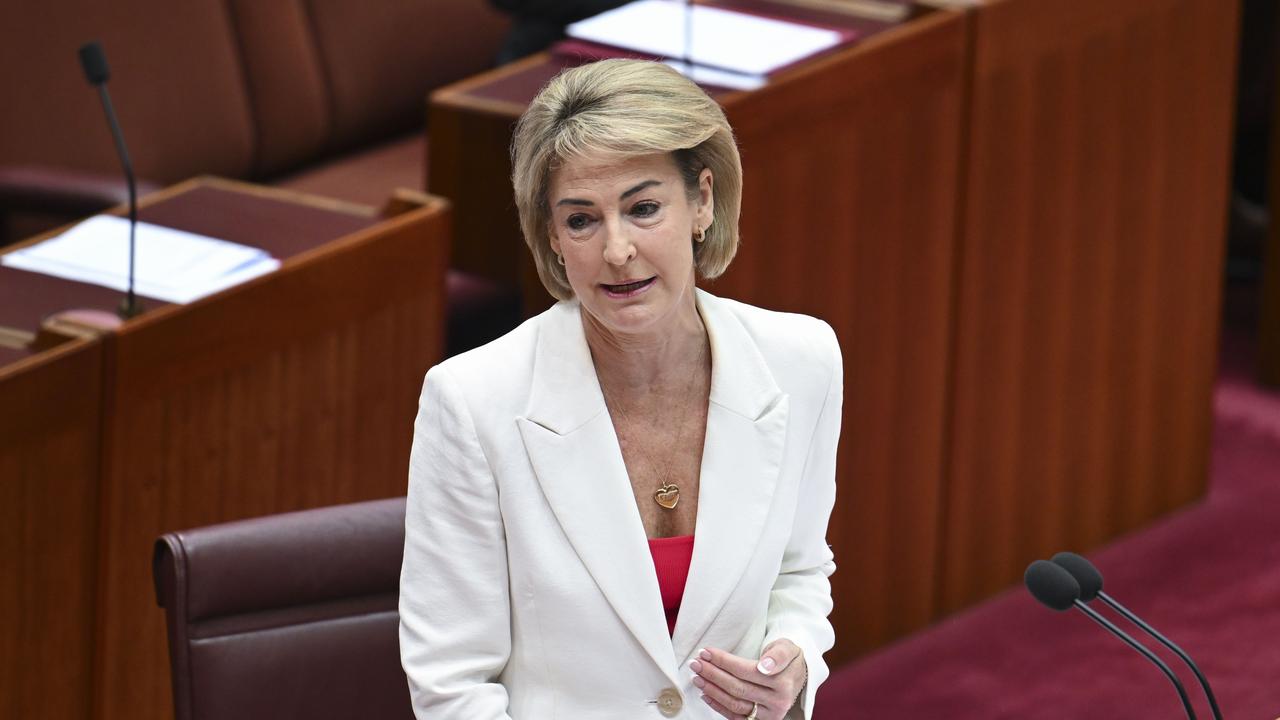
“Slash the tax, but more than that, move the fuel to where it needs to be,” Senator Cash urged. She questioned the government’s narrative, stating, “As they have said for the last four weeks, there is more fuel circulating in Australia now than there was prior to the war commencing. How does that then mirror up with the fact that there are now over 600 … servos in Australia that have run dry?” When pressed on whether she doubted Australia’s overall fuel reserves, Senator Cash indicated a reliance on the government’s official statements, saying she “has to take the government at their word.”
The Global Context and Australia’s Vulnerability
The current fuel crisis underscores Australia’s significant reliance on international fuel markets. The Strait of Hormuz, a critical chokepoint for global oil and gas shipments, has become a focal point of geopolitical tension, directly impacting the flow of resources to countries like Australia. The disruption to these supply lines has far-reaching implications, not only for the cost of transportation and everyday living but also for the broader functioning of the national economy.
The government’s proposed emergency powers represent a proactive, albeit potentially costly, step to mitigate the immediate effects of supply shortages. By underwriting fuel cargoes, the government aims to ensure a consistent flow of essential fuel products, preventing further widespread shortages and price gouging. This intervention reflects a recognition of the strategic importance of fuel security and the need for government intervention when market mechanisms prove insufficient.
Looking Ahead: Challenges and Potential Solutions
The “long tail” of this crisis means that Australians can expect elevated fuel prices and potential supply disruptions to persist for some time. The damage to Middle Eastern fuel infrastructure and the ongoing geopolitical uncertainty contribute to a volatile global market.
Beyond the immediate measures, there is a growing conversation about Australia’s long-term energy security. This includes exploring options for:
- Diversifying fuel sources: Reducing reliance on a single region for fuel imports.
- Increasing domestic refining capacity: While challenging, a greater domestic refining capability could offer a buffer against international supply shocks.
- Investing in alternative fuels: Accelerating the transition to lower-emission and domestically produced fuels, such as hydrogen and advanced biofuels, could enhance long-term energy independence.
- Strategic fuel reserves: Reviewing and potentially expanding Australia’s strategic fuel reserves to provide a more robust buffer during prolonged supply disruptions.
The current crisis serves as a stark reminder of the interconnectedness of the global economy and the vulnerabilities inherent in relying heavily on international supply chains for essential resources. The Albanese government’s response, coupled with the ongoing debate about the most effective strategies, will shape Australia’s energy landscape for years to come.



















