

































Rising Encounters with Venomous Snakes in Australia
Australians are being urged to prepare for an increase in encounters with venomous snakes, as these dangerous reptiles move closer to residential areas. A recent international research project has revealed that snakes are increasingly migrating towards densely populated coastlines. This shift is attributed to rising temperatures, which are making traditional inland habitats less suitable for their survival.

The migration is expected to be most noticeable along Australia’s east coast, including regions in Queensland, New South Wales (NSW), and Victoria. The trend highlights a growing concern for public safety and health authorities across the country.
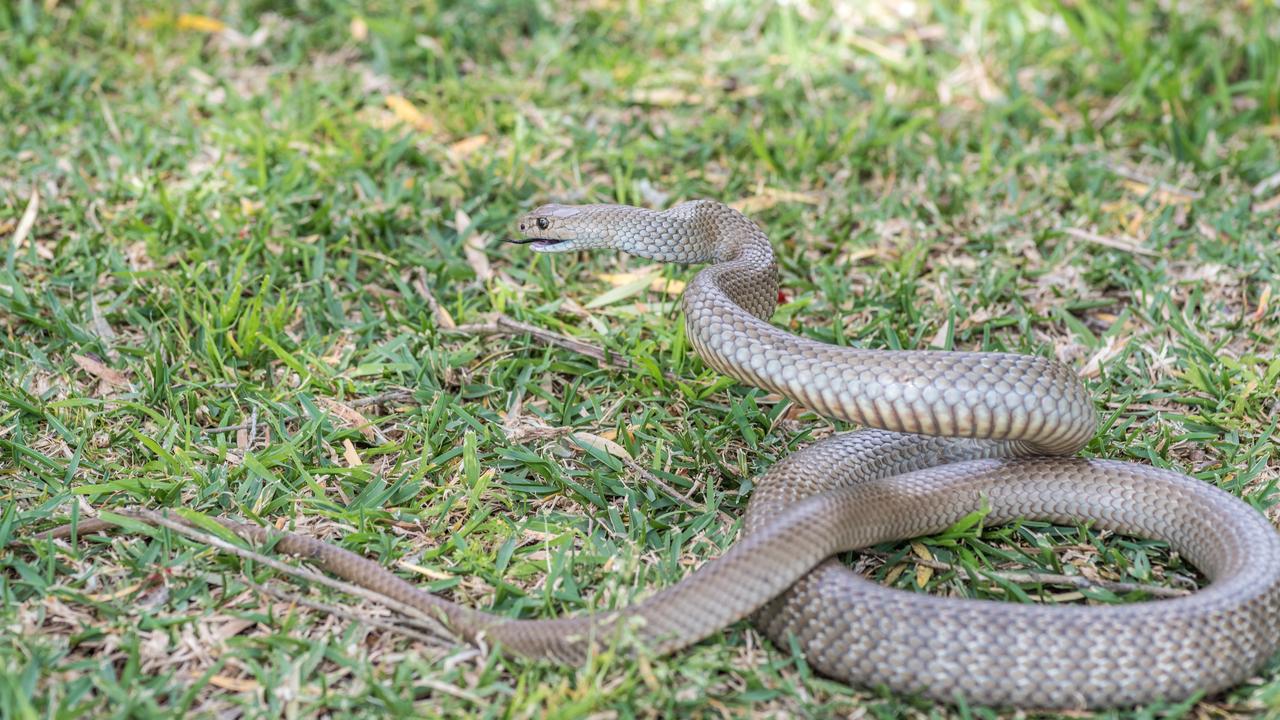
In 2024, Australia experienced the warmest year on record, according to the World Meteorological Organisation. This extreme heat led to a significant rise in emergency calls related to snake bites, with a 35 per cent increase compared to previous years. During the spring and early summer of that year, from September 1 to December 20, the NSW poison information centre received 320 calls for snake bites alone.
Snake bites have serious consequences, with approximately 400,000 disabilities caused each year. Additionally, around 138,000 cases result in death. In response to this alarming data, the World Health Organisation has set a goal to reduce these numbers by 50 per cent within the next four years.
Understanding the Impact of Climate Change on Snake Habitats
A new study published in the journal PLOS Neglected Tropical Diseases has tracked the habitats of all 508 medically important venomous snake species—those capable of causing severe morbidity, mortality, or long-term disability. The research projects how the ranges of these species will shift by 2050 and 2090.
“Before this study, surprisingly little was known about the exact distribution of many medically important snakes, even some widespread ones that cause many bites,” the study notes.
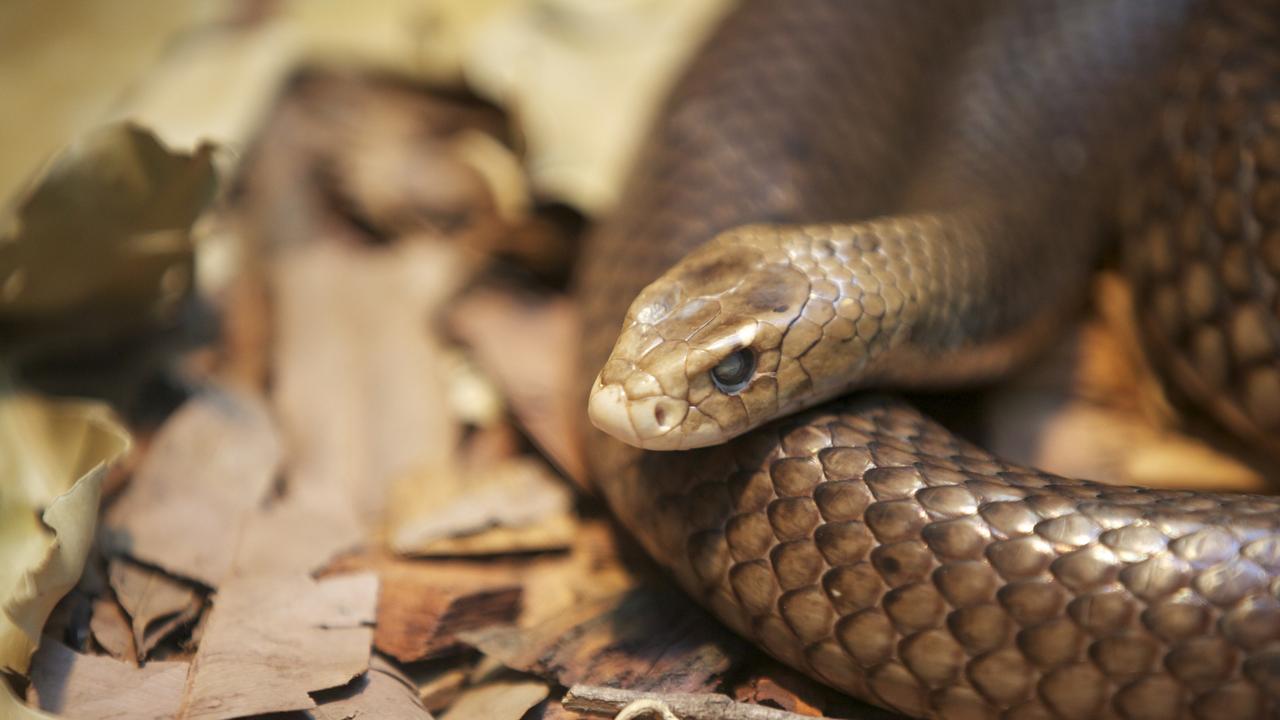
In Australia, the top three medically important venomous snake species include the inland taipan, the eastern brown snake, and the coastal taipan. The research team found that the eastern brown snake has the highest overlap with human populations, followed by the coastal taipan.
The eastern brown snake is the second most venomous snake in the world and is often the leading cause of fatal snake bites in Australia. According to the study, due to increasing temperatures, the snake’s range is expected to expand southward along the highly populated east coast by 2050.
Implications for Public Health and Conservation
The findings of the study have significant implications for public health and conservation efforts. “Our predictions can be used to decide where to stockpile which antivenom, how to ensure adequate capacity of individual health facilities, how to improve health care accessibility of remote at-risk communities, and where to focus conservation efforts for threatened snake species,” the study authors said.
As climate change continues to impact ecosystems, understanding the movement patterns of venomous snakes is crucial for developing effective strategies to protect both humans and wildlife. This includes ensuring that medical resources are available in high-risk areas and implementing measures to safeguard vulnerable snake species.
With the ongoing changes in temperature and habitat, it is clear that proactive planning and awareness are essential in mitigating the risks associated with increased encounters between humans and venomous snakes.



















