

































Fuel Concerns and Reassurances for Australian Travelers to Bali
As the summer travel season approaches, some Australian travelers have expressed concerns about fuel availability and pricing in Bali, sparking a wave of anxiety among holidaymakers. The situation has led to questions about whether the island’s fuel supply is affected by global events, particularly the ongoing conflict in the Middle East.

Several Australians have taken to social media to voice their worries. One traveler shared on Facebook: “We’re booked to fly to Bali in May for eight days from Sydney. We’re starting to feel a little stressed with the fuel situation. Is everyone still booking to go as normal this year and hoping for the best?” Another asked, “Just wondering if fuel is affecting Bali and if it’s difficult to get around?”
These concerns stem from the recent closure of the Strait of Hormuz, which has created pressure on global fuel supplies. In Australia, diesel prices have soared past $3 per litre, with over 500 service stations in New South Wales and Victoria experiencing shortages. However, despite these challenges, Indonesia has taken steps to manage its energy consumption, implementing measures such as work-from-home arrangements for civil servants to reduce fuel demand.
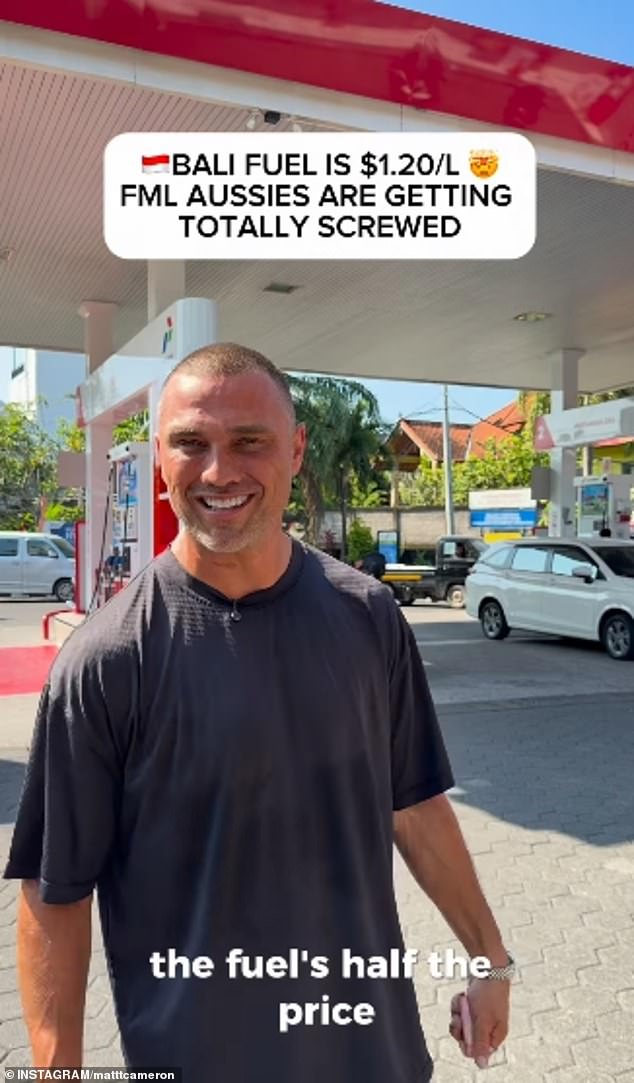
Despite these restrictions, many Australians currently in Bali have reported that the situation is far from alarming. Some have even praised the affordability of fuel there. “Bali fuel is the cheapest one. It’s $1 for a litre at the moment,” one traveler said. Another added, “We’re in Bali at the moment and there have been no issues at all. Come and enjoy your holiday.”
The calm atmosphere at petrol stations in Bali contrasts sharply with the panic buying seen in Australia. Matt Cameron, an Australian traveler, noted that “Australian fuel prices are double that of Indonesia.” He also highlighted that there are no rationing systems or long queues at gas stations in Bali, describing the environment as “all calm.”
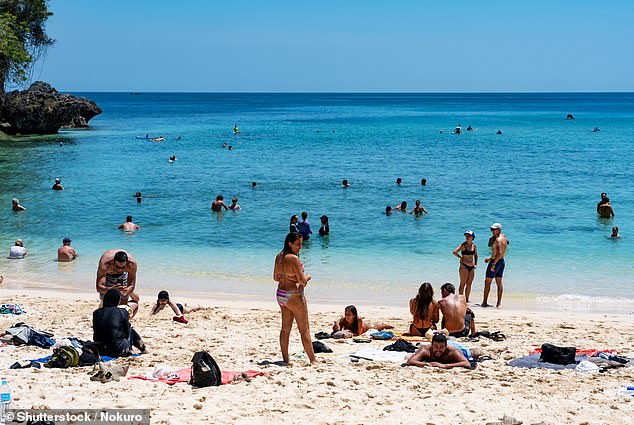
Amanda Micallef, founder of the travel platform Bali Presto, has reassured travelers that there are currently no reports of petrol shortages in Bali. She explained that while the island imports its refined fuel, the Indonesian government is subsidizing petrol, keeping prices stable. However, she warned that if global oil prices continue to rise, fuel and transportation costs in Indonesia could eventually increase.
The work-from-home policies introduced in Indonesia were initially implemented after the Eid al-Fitr public holidays in March. These measures, similar to those during the pandemic, aim to reduce fuel consumption. Indonesian Finance Minister Purbaya Yudhi Sadewa estimates that one day of remote work per week could save up to 20% of fuel consumption.
While these policies haven’t yet impacted Bali tourists, they may affect other aspects of travel. With rising global oil prices and airspace closures in cities like Abu Dhabi, Dubai, and Doha, the Deputy Chairman of the Indonesian Hotel and Restaurant Association Bali, I Gusti Ngurah Rai Suryawijaya, warned that airfares could increase. This, in turn, might lead to a decline in tourist numbers.
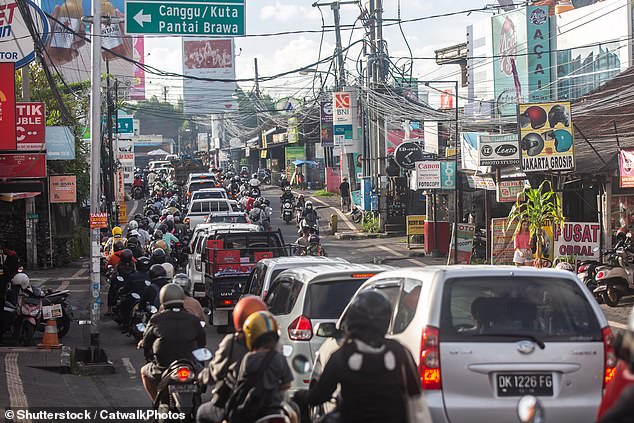
Suryawijaya expressed concern about potential price wars if tourism begins to slow down. However, he emphasized that efforts are being made to ensure Bali remains a top destination for visitors. “We are still working to ensure Bali remains a prime destination for visitors,” he said.
For now, the majority of Aussies traveling to Bali seem to be finding peace of mind. As one traveler put it, “The world doesn’t seem to exist over there, so go and enjoy your holiday.” With fuel prices low and the island operating smoothly, many are looking forward to their trips without unnecessary stress.



















