

































Push to Grow Federal Parliament Sparks Heated Debate
A significant debate is brewing within Australian politics regarding the potential expansion of the federal parliament. While some, like Special Minister of State Don Farrell, express a desire to see parliament’s size increased under the current Albanese government, key figures on the opposition benches have vocally rejected any such proposals.

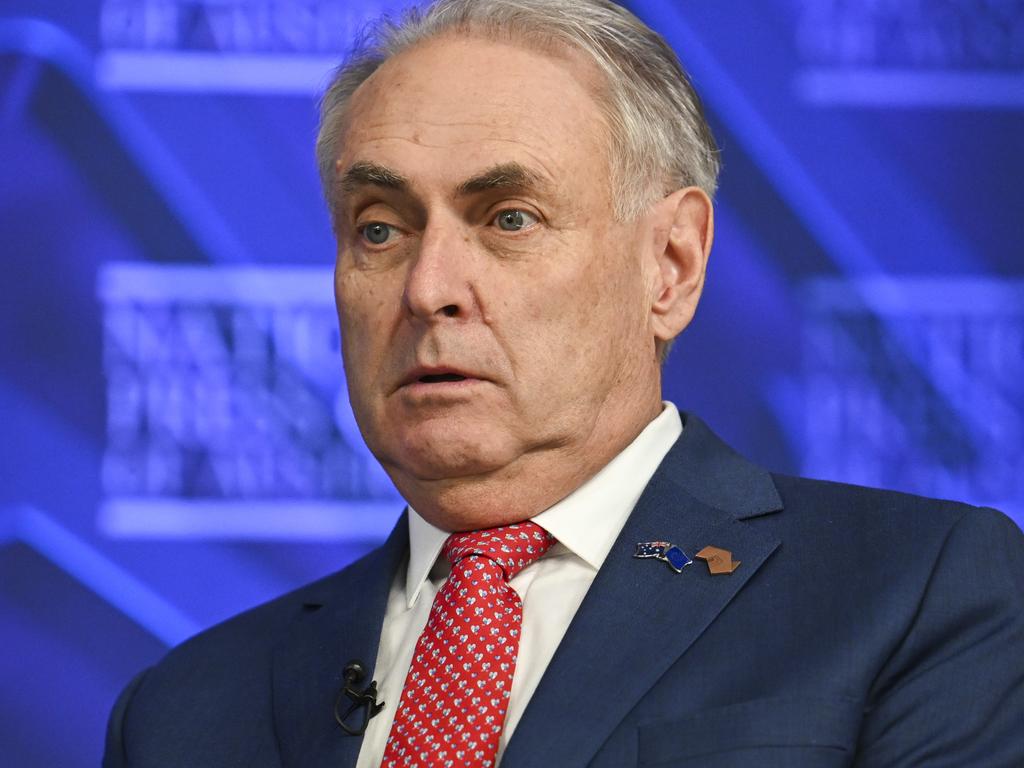
Senator Farrell recently articulated his view at the National Press Club, suggesting that “increasing the size of parliament is what great Labor leaders do.” Despite acknowledging that the proposal lacks widespread support at this stage, he indicated a continued commitment to exploring the possibility. His comments stand out, as other government representatives have remained largely silent on the matter in recent months.
However, behind the scenes, it appears a parliamentary committee is leaning towards recommending a larger parliament, with discussions reportedly underway for weeks. Senator Farrell is understood to have engaged with the Nationals partyroom to discuss the potential addition of new seats, aiming to have them in place for the next federal election. The committee’s inclination towards expansion is reportedly driven by submissions that overwhelmingly favour such a move.
Coalition’s Strong Opposition
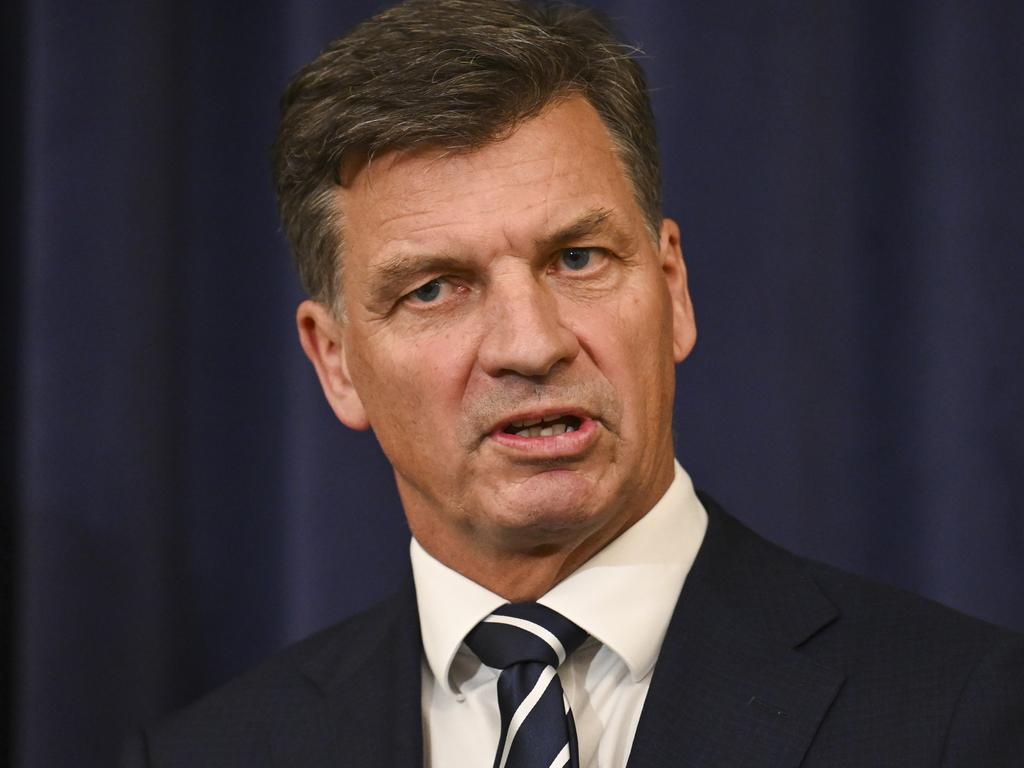
Angus Taylor, alongside Nationals counterpart Matt Canavan, has issued a direct call for Prime Minister Anthony Albanese to “immediately rule out” any plans to increase the size of the national legislature.
“He should rule it out today. We don’t need more politicians. We need a government focused on the Australian people,” Mr. Taylor stated to reporters.
Senator Canavan has accused the Labor party of attempting to conceal its intentions to grow parliament from the Australian public. He claims Senator Farrell inadvertently revealed these “hidden, secret plans” during his National Press Club address.
“The Prime Minister needs to come clean with the Australian people about what are these plans? How long have they been worked on in secret?” Senator Canavan questioned. “Why hasn’t he been upfront with the Australian people about a plan to massively increase the size of parliament at the cost of more than half a billion dollars?”
The Coalition has presented costings from the Parliamentary Budget Office, suggesting that adding 24 members to the House of Representatives and 14 senators would incur a cost exceeding $600 million.
Representation and Population Growth
The size of Australia’s federal parliament has remained unchanged since 1984, a period during which the nation’s population has experienced substantial growth. Data from the Inter-Parliamentary Union indicates that each Australian federal parliamentarian currently represents approximately 116,524 people. This figure is relatively close to the international average, which stands at around 112,500 inhabitants per parliamentarian.
When pressed on this point and whether his stance against expansion denies Australians better representation, Mr. Taylor responded:
“So you’re right, the Australian population is growing at a record rate. The economy, in total, has grown by 7.5 per cent since Labor came to power. The population of Australia has grown by 7.5 per cent. It’s the same number. That’s why we’re all feeling poorer. This is strategy – grow the population at a rate we’ve never seen before and then they think the answer is to have more politicians. I mean, seriously.”
Government’s Measured Response
A spokesperson for Senator Farrell’s office clarified the Minister’s position, stating that he has been “clear.”
“He is awaiting the findings of the (Joint Standing Committee on Electoral Matters) and will show the committee the respect it deserves of not pre-empting their important work,” the spokesperson said. “The only party fixated on this enough to have done costings is the Coalition. The government is focused on fuel security and cost-of-living relief for Australians. This is clearly not about the policy or issues; it’s about the internal audition for attention in the Coalition.”
Submissions to the Joint Standing Committee on Electoral Matters have largely argued that Australia’s growing population would be better served by smaller electorates, implying a need for more representatives.
The Grattan Institute, a Melbourne-based think tank, submitted that a “material lift in the size of parliament would be needed to meaningfully achieve a more even distribution of voters per electorate nationally” and to “bring Australia closer to middle of the pack internationally on inhabitants per parliamentarian.”
While the committee has shown a favourable inclination towards expanding parliament, deliberations are ongoing. Submissions closed on Saturday, and an interim report is expected later this year. However, the final report is not anticipated until 2027, and it is considered unlikely that any new seats could be established before the next federal election.



















