

































Robert F. Kennedy Jr. Praises Trump’s “Empathy” on Global Conflicts
Robert F. Kennedy Jr. has lauded President Donald Trump, describing him as an “empath” for his willingness to acknowledge the human cost of global conflicts, particularly the ongoing wars in Ukraine and Iran. Speaking at the Conservative Political Action Summit, Kennedy expressed a significant shift in his perception of the former President.

“President Trump is exactly the opposite of everything that I believed him to be,” Kennedy stated on stage. “And I basically drank the Kool-Aid that he was this bombastic narcissist who didn’t read books, was ill-informed.”
Kennedy highlighted Trump’s approach to the war in Ukraine, noting his consistent acknowledgement of casualties on both sides. “You’ll see that every time he talks about the Ukraine war, he talks about the casualties on both sides,” Kennedy observed. “You will not hear any Democrat ever talk about that. And he talks about the Russian kids who are dying. He gets the reports every week, and they make a huge impression on him about the death rate.”
The conflict in Ukraine, which began with Russia’s invasion in February 2022, has been ongoing for over four years. Recent estimates from the Center for Strategic and International Studies suggest a staggering human toll, with approximately 325,000 Russian and 140,000 Ukrainian lives lost. Kennedy underscored the gravity of this loss, stating, “A thousand kids a day are dying. He understands that these are people’s children.”
While Trump had previously vowed to resolve the Ukraine conflict swiftly during his campaign, his administration engaged in diplomatic efforts, including summits with Russian President Vladimir Putin and Ukrainian President Volodymyr Zelenskyy. These initiatives, however, have not yet yielded a resolution.
The conversation then shifted to Trump’s handling of the escalating war in Iran. Kennedy commended the former President’s apparent grasp of regional complexities, recounting a specific instance. “One time, he grabbed a placemat, turned it over, took a Sharpie, and drew a perfect map of the Middle East,” Kennedy claimed. “Then he marked the troop strength of every country along each border on that map. It challenged a lot of the assumptions I had been told about him.”
The Iran war, which has plunged a significant portion of the region into violence, has now entered its second month with no signs of de-escalation. The Pentagon has reported that the U.S. has struck over 15,000 targets within Iran. In the past week, Trump indicated a continued aggressive stance, promising to “keep bombing our little hearts out” if a peace deal with Iranian leaders, whom he has labelled “evil,” could not be reached.
Iran, in turn, has described the war as unlawful and has retaliated by launching missiles and drones at several neighbouring countries, including Israel, Qatar, Kuwait, and Saudi Arabia. Official Iranian sources report that over 1,500 Iranians have died, with at least 175 casualties resulting from a strike on a girls’ school near the Strait of Hormuz. The Pentagon has confirmed the deaths of thirteen U.S. service members in the conflict.
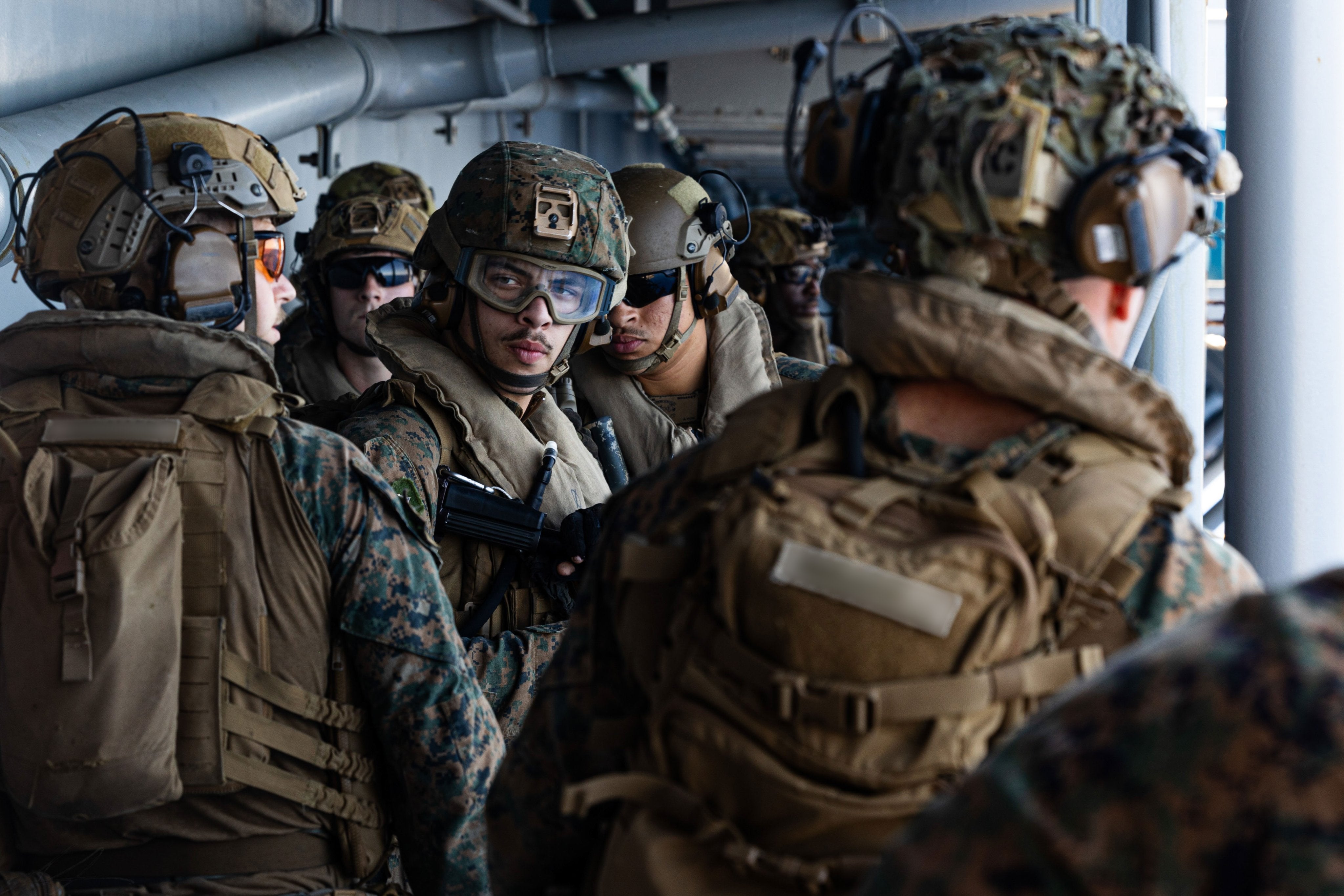
There is no clear indication from the Trump administration regarding a timeline for resolving the Iran war. Recent deployments suggest a potential for a prolonged military engagement. On Saturday, U.S. Central Command announced the arrival of approximately 3,500 Marines and sailors in the region.
Public sentiment in the United States regarding the war appears to be largely negative. A recent Pew Research Center survey revealed that 59% of Americans believe the U.S. made the wrong decision in using military force in Iran, with only 38% supporting the action. Furthermore, a Reuters survey from March 19 indicated that 65% of Americans anticipate Trump initiating a ground war in Iran, a prospect supported by a mere 7% of the population.
Key Takeaways on Trump’s Approach to Conflict:
- Acknowledging Dual Casualties: Kennedy noted Trump’s unique willingness to speak about the losses on both sides of the Ukraine war.
- Perceived Empathy: This acknowledgement has led Kennedy to describe Trump as an “empath,” understanding the human toll of war.
- Regional Knowledge: Kennedy recounted an anecdote suggesting Trump possessed a detailed understanding of the Middle East’s geography and military deployments.
- Aggressive Stance on Iran: Trump has expressed a commitment to continued military action in Iran if peace negotiations fail.
- Public Opposition to Iran War: Polls indicate a majority of Americans do not support U.S. military involvement in Iran.
- Escalating U.S. Presence: The deployment of additional U.S. troops to the Middle East signals a potential for extended conflict.



















