

































Government Support Hits New Low Amidst Economic Woes and Global Tensions
New opinion polls reveal a significant downturn in support for the ruling Labor government, marking its lowest standing since its electoral victory last year. Simultaneously, Pauline Hanson’s One Nation party appears to be gaining traction, according to two recent surveys. These findings emerge during a period dominated by pressing national concerns, including a severe affordability crisis, the ripple effects of international conflict, persistent inflation, and rapidly escalating fuel prices.

The economic headwinds facing the nation are palpable, with voters expressing growing dissatisfaction with the government’s handling of these multifaceted challenges. The ongoing global instability, particularly the uncertainty surrounding the Iran conflict, has amplified existing economic pressures, making it difficult for households to manage rising costs.
Key Poll Findings: A Shifting Political Landscape
Two prominent opinion polls, released concurrently, paint a concerning picture for the incumbent government and offer a glimpse into potential shifts in the electorate.
The Australian’s Newspoll Analysis
The Newspoll survey, conducted among 1232 voters between Monday and Thursday of the previous week, indicated a notable decline in Labor’s primary vote. It has fallen to 31 per cent, a decrease from 36 per cent recorded in November last year and 34.6 per cent during the federal election in May.
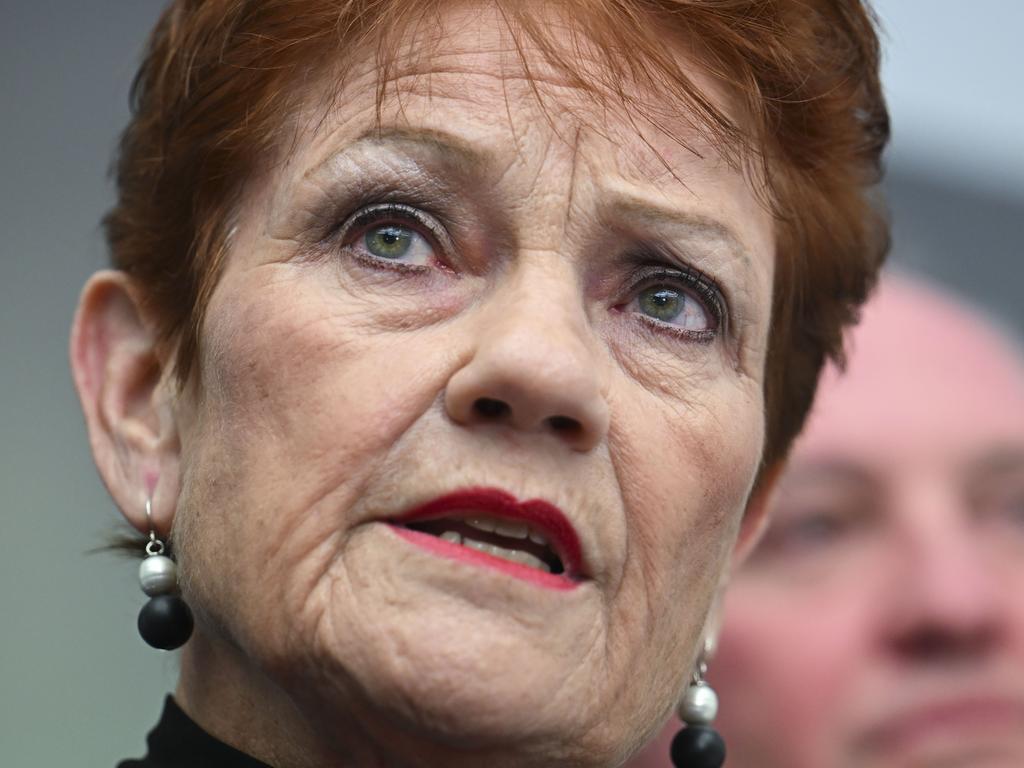
In contrast, One Nation’s primary vote saw a slight dip to 26 per cent. However, both the Coalition and the Greens experienced an uptick in support, reaching 21 per cent and 12 per cent respectively.
Redbridge Poll: A Closer Look at Voter Preferences
The latest Redbridge poll, commissioned by the Financial Review and surveying 1003 voters from Monday to Friday, presented a slightly different perspective on One Nation’s standing. This poll indicated a rise in One Nation’s primary vote to 29 per cent, positioning it just behind Labor, whose support remained stable at 32 per cent.
A particularly stark finding from the Redbridge poll was the Coalition’s primary vote, which dropped a further two points since February, hitting a record low of 17 per cent. This suggests ongoing struggles for the opposition to connect with voters.
On a two-party preferred basis, the Redbridge poll showed Labor leading One Nation by a margin of 53 per cent to 47 per cent. When accounting for preferences allocated as they were in the May election, Labor maintained a lead over the Coalition, with 55 per cent compared to 45 per cent.
Voter Sentiment on Fuel Prices and Global Affairs
The issue of fuel prices has clearly become a significant driver of public sentiment. A substantial 61 per cent of voters surveyed in the Redbridge poll attributed the petrol price crisis, exacerbated by global energy shocks stemming from the Iran war, solely to US President Donald Trump. In comparison, only 14 per cent blamed the current government.
This sentiment underscores a broader public perception that international factors and the actions of global leaders are heavily influencing domestic economic conditions.
Prime Minister’s Approval Ratings Decline
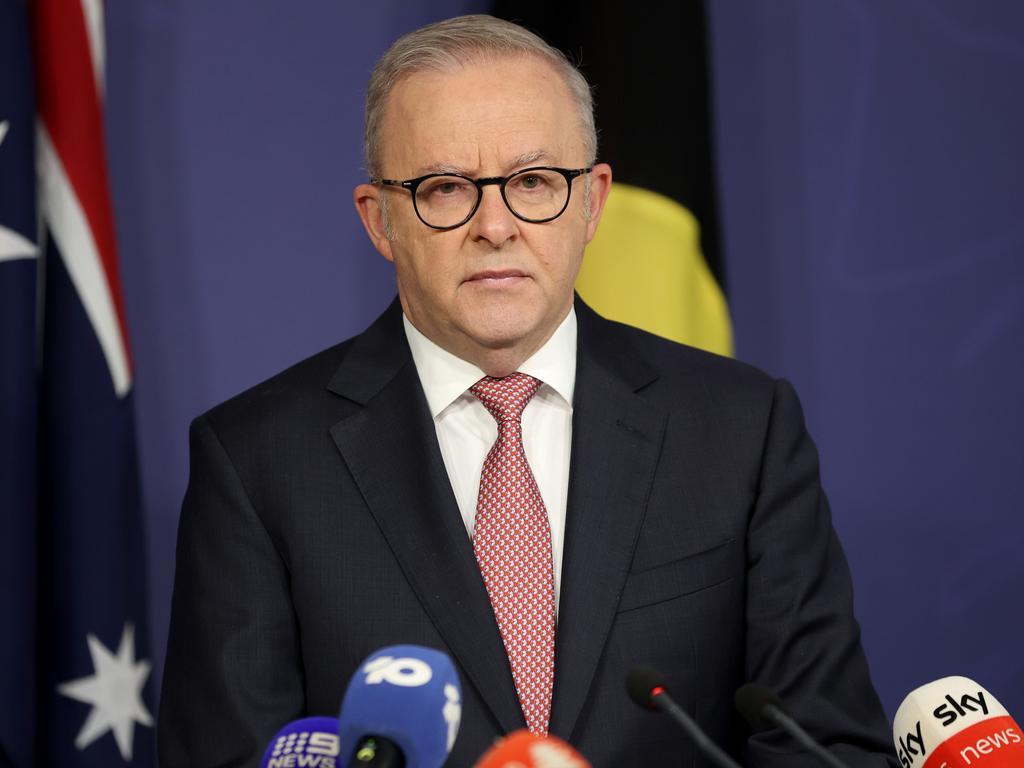
Adding to the government’s challenges, Prime Minister Anthony Albanese’s net approval rating has also taken a significant hit. The Redbridge poll recorded his net favourability at minus 17, a considerable drop of 18 percentage points since December last year. This decline in personal approval reflects the broader dissatisfaction with the government’s performance on key issues.
Newspoll Reinforces Voter Frustration
The voter frustration observed in the Redbridge poll was further echoed in the latest Newspoll results. The Newspoll data corroborated the downward trend in Labor’s primary vote, as detailed earlier.
Furthermore, the Newspoll revealed a decline in Prime Minister Albanese’s net approval rating. A significant 57 per cent of respondents expressed dissatisfaction with his performance, while only 39 per cent were satisfied, and 4 per cent remained uncommitted.
In contrast, the Opposition Leader, Angus Taylor, fared slightly better, with 42 per cent dissatisfied with his performance and 35 per cent satisfied, leaving 23 per cent uncommitted. While still showing dissatisfaction, the gap between the leaders’ approval ratings is notable.
Public Opinion on Military Intervention
The polls also delved into Australians’ views on potential military action, particularly concerning the situation in Iran. The overwhelming majority of respondents (72 per cent) indicated they did not support US military action against Iran, with more than half of those opposing the war expressing strong disapproval. Only 23 per cent approved of such action, and 5 per cent were undecided.
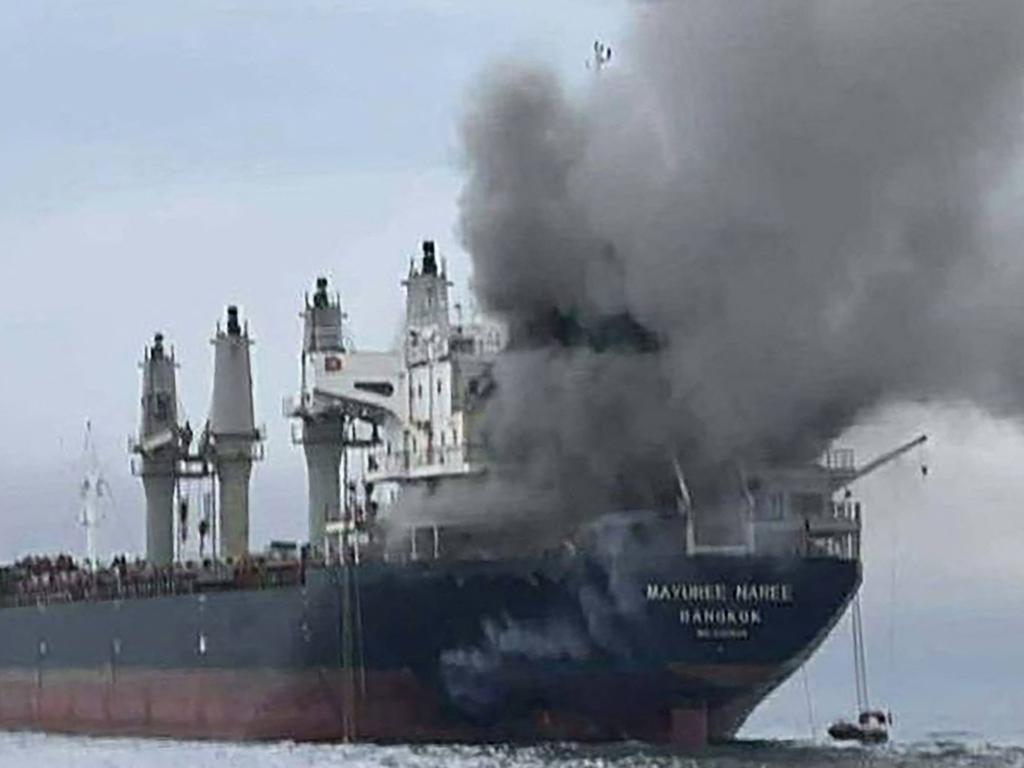
When specifically asked about Australia’s potential involvement in providing military support in the Strait of Hormuz in response to US demands, a similar majority (63 per cent) opposed the move, while 30 per cent supported it, and 7 per cent were unsure.
The data revealed a consistent pattern across age groups, with over 65 per cent in every demographic disapproving of US military action in Iran. Interestingly, One Nation voters were the most likely to support the war, ranking ahead of Liberal, Labor, and Greens voters. Gender also played a role, with men twice as likely to approve of the military action (30 per cent) compared to women (16 per cent).
It is worth noting that Australia has officially denied receiving any requests for military support in the Strait of Hormuz, despite public statements from Donald Trump highlighting the nation’s perceived lack of support for US actions in the Middle East. This discrepancy may contribute to voter confusion and further fuel dissatisfaction with both domestic and international policy responses.



















