

































Airport Chaos Deepens as ICE Agents’ Deployment Remains Uncertain Amidst Shutdown Stalemate
The ongoing government shutdown is creating significant disruptions at airports across the nation, with the reassignment of Immigration and Customs Enforcement (ICE) agents from airport duties to bolster the president’s deportation agenda hanging in the balance. Tom Homan, who has taken the helm as the nation’s border czar, has remained noncommittal on a timeline for this shift, linking it directly to the resolution of pressure on Transportation Security Administration (TSA) agents.

The current impasse, now extending into its second month, has resulted in unpredictable and often lengthy delays for travellers. This situation is exacerbated by the decision of hundreds of TSA agents to either resign or refuse to work without pay. Homan acknowledged this challenge, stating that the return of these agents would be a key factor in determining when ICE personnel could be redeployed. “We’ll see. It depends how many TSA agents come back to work, how many TSA agents have actually quit and have no plans [on] coming back to work,” Homan remarked during an interview.
Lawmakers departed Washington without a bipartisan agreement to end the Department of Homeland Security (DHS) shutdown, signalling a persistent stalemate. Democrats are pushing for significant reforms to ICE operations before authorising further funding. Concerns have been amplified by progressive factions within the party following the deaths of two Americans at the hands of DHS agents earlier this year.
Proposed reforms include:
- The demasking of ICE agents operating in the field to enhance transparency.
- An end to roving enforcement operations, which have drawn criticism for their broad scope.
- A requirement for ICE agents to obtain judicial warrants before conducting searches of private property, aiming to protect civil liberties.
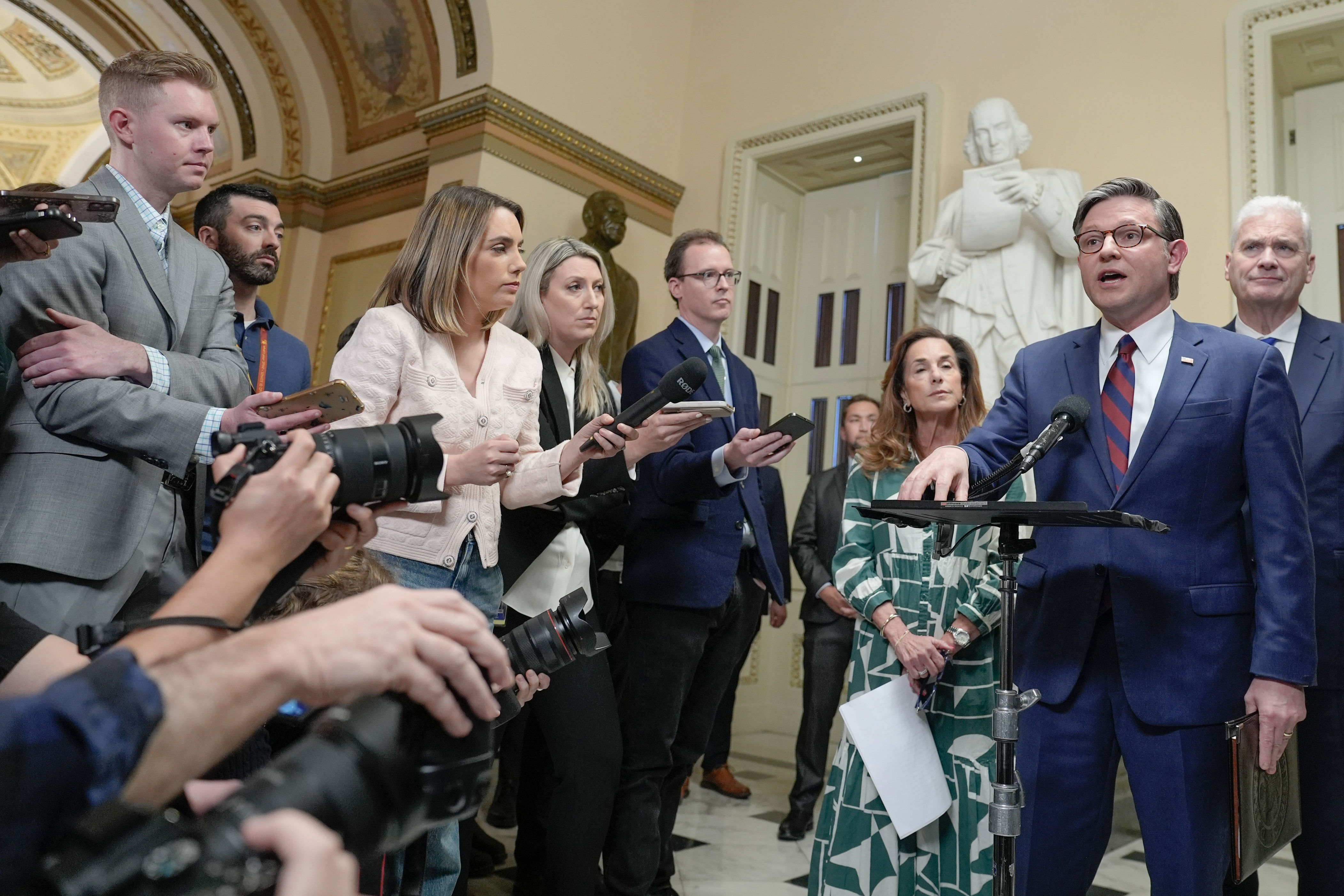
While the Senate unanimously passed a bill to fund DHS, with the exclusion of ICE, for the remainder of the fiscal year, this proposal was met with rejection by House leadership. Members of the House subsequently approved a bill to fund all of DHS for an eight-week period, intended to allow further negotiations on ICE reforms. However, Speaker Mike Johnson declined to bring the Senate’s legislation to a vote.
With the Republican Party controlling both chambers of Congress and the White House, the escalating chaos at airports due to the shutdown poses a growing threat to the GOP’s electoral prospects in upcoming midterm elections. Republicans are currently working to maintain their majorities against a resurgent Democratic Party, which currently holds an advantage in most generic-ballot polling.
The president had previously directed ICE agents to deploy to airports last weekend as wait times surged nationwide. Reports indicate that these agents are primarily assigned to patrol duties and guard stations, rather than undertaking security checkpoint screening tasks.
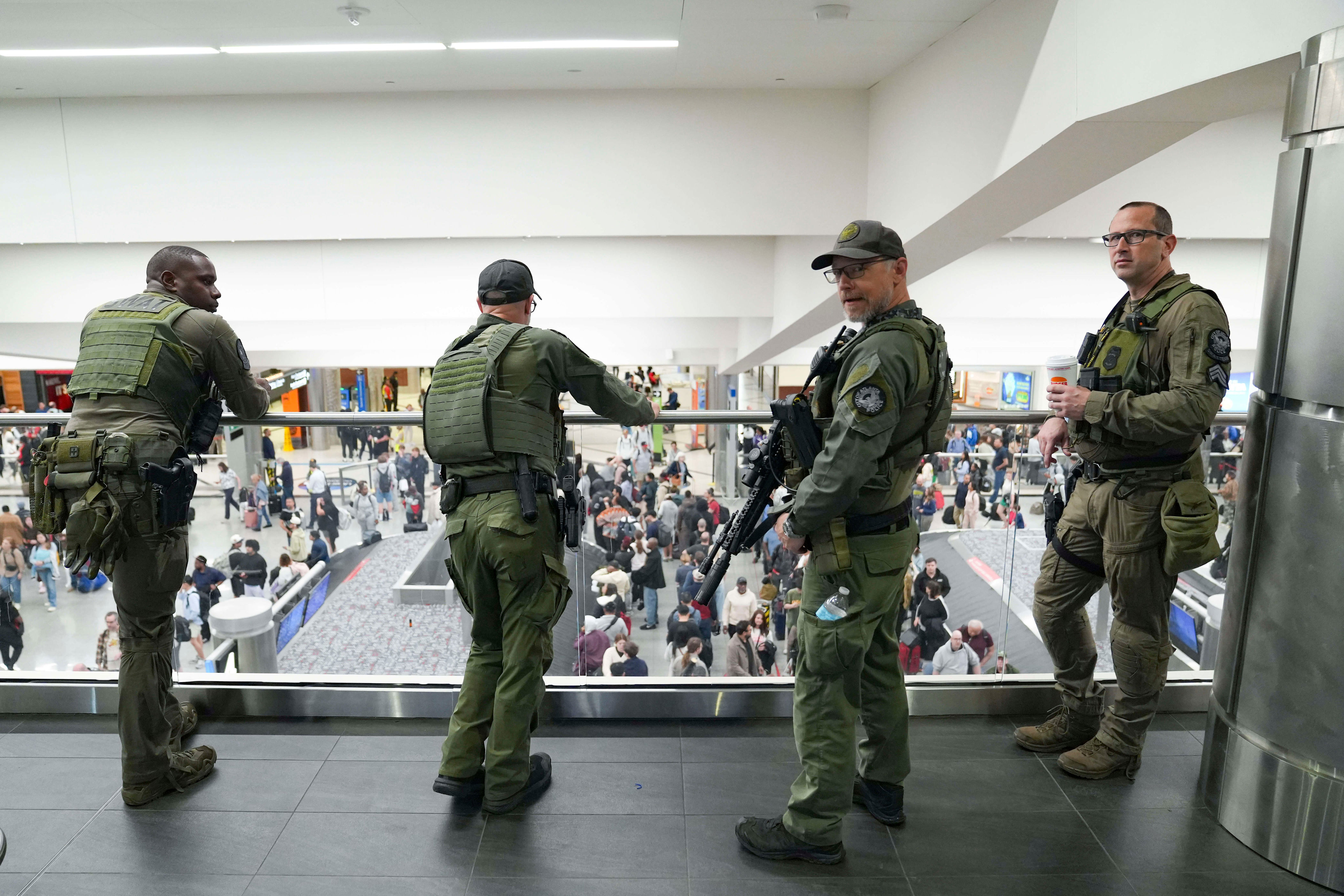
In a separate move, the president also instructed the DHS to collaborate with the Office of Management and Budget to secure funding for TSA agents’ paychecks. This directive has been met with scepticism from some Democrats, who question its legality and view it as an attempt by the White House to bypass Congress in directing the use of funds.
Homan’s appointment to lead the department this month followed the dismissal of Kristi Noem, the president’s initial DHS secretary. Noem faced considerable criticism for her appointment of Corey Lewandowski to a senior advisory role and for awarding substantial federal contracts. Her tenure was also marked by controversy over the expenditure of millions of dollars on agency messaging and her personal public image, including a notable advertising campaign featuring her on horseback.
The president’s approval ratings on immigration issues have reportedly reached some of their lowest points in recent years. This downturn appears to be linked to the tragic shootings of Alex Pretti and Renee Good in Minneapolis, as well as months of highly publicised immigration enforcement actions and “raids” that have instilled fear and anxiety within communities, often accompanied by deportations and forceful removal tactics.



















