

































The Australian automotive landscape is undergoing a dramatic transformation, with a surge of new brands, primarily from China, poised to significantly alter the market. The year 2026 is shaping up to be a particularly influential period, as these newcomers introduce a compelling blend of sharp pricing, advanced features, and a strong emphasis on electric and hybrid vehicle technology.

Last year alone witnessed the Australian debut of marques like Geely, Jaecoo, and Deepal, and the influx shows no signs of abating. This year and beyond promise even more arrivals, including a luxury division of a well-established automaker, another offshoot from Chery, and a brand that has previously graced Australian roads. Australia is increasingly being recognised as a key market for global expansion, rather than an afterthought, which is significantly intensifying competition.
Here’s a detailed look at the new car brands slated for arrival in Australia in 2026 and beyond:
Wey: Stepping into the Luxury Segment
Wey, the premium offshoot of Chinese automotive giant GWM, is anticipated to make its Australian debut around mid-2026. This move signals the brand’s intention to compete at the higher end of the local market. Its arrival will see it directly challenge other emerging luxury brands, including BYD’s Denza and MG’s IM Motors.
Initially, Wey is expected to launch with at least three models. These are likely to include two high-end plug-in hybrid SUVs: the V96 and the Blue Mountain. Additionally, a plush people mover, the G9, which is comparable in size to the Kia Carnival, is also on the cards. The G9 aims to offer a more accessible alternative to luxury vehicles from brands like Lexus and Zeekr, with its pricing expected to fall well below the six-figure mark.
The V9X is particularly noteworthy for its substantial dimensions, measuring 5299mm in length with a 3150mm wheelbase, making it larger than many SUVs currently available in Australia. It is slated to feature an 800-volt electrical system coupled with a 2.0-litre turbocharged petrol engine producing 175kW as part of its plug-in hybrid setup. The Blue Mountain, on the other hand, will offer a six-seat configuration and is positioned as one of Wey’s most premium SUV offerings in its domestic market. While specific models like the V9X are still awaiting official export confirmation, the Wey brand itself has received the go-ahead for an Australian launch.

Firefly: A Compact Electric Contender
Firefly, a Chinese electric vehicle brand under Nio, was launched in China in late 2024 as the company’s third sub-brand. While Nio’s direct entry into Australia seems uncertain, its smaller Firefly offshoot appears much more likely to arrive on local shores sooner rather than later. An example has already been observed undergoing testing on Melbourne’s roads, and approval documents for local sale have been lodged. However, the brand is still in the process of securing a local distributor, which means the exact timing of its launch remains unclear.
Positioned to compete with established players like the Mini Cooper and the BYD Dolphin, the Firefly is anticipated to have a starting price of around $35,000, excluding on-road costs. In terms of size, the Firefly measures 400mm in length, 1781mm in width, and 1557mm in height, with a wheelbase of 2615mm. This places it firmly within the light hatch segment, alongside vehicles such as the Volkswagen Polo and Mazda 2. Firefly has already been confirmed for other right-hand-drive markets, with its rollout commencing in Singapore in January 2026, followed by expansion into the UK.

Lepas: Chery’s Youthful New Face
Lepas is a sub-brand of Chery, officially launched in 2025 as part of the company’s global expansion strategy. This makes it the fourth Chery-related brand earmarked for an Australian introduction. Lepas aims to differentiate itself from its siblings by targeting a younger demographic, with a strong emphasis on “expressive design, vibrant colour palettes, and more driver-focused interiors.”
The inaugural model expected to reach Australia is the L8, a medium SUV that shares close ties with the Tiggo 8. It is likely to be offered with a choice of powertrains, including petrol, plug-in hybrid, and electric options. Smaller SUVs, the L6 and L4, are expected to follow. An Australian launch is tentatively scheduled for around 2027, and the brand is expected to operate through its own dedicated dealership network.

JMC: A Ute Return After a Hiatus
After nearly a decade away from the Australian market, JMC is preparing for a comeback with the Vigus, a new-generation diesel dual-cab ute. Jiangling Motors Corporation (JMC) first entered Australia in 2015 with its Vigus ute, priced from $23,990. However, it withdrew just three years later in 2018, having struggled to gain significant market traction.
The all-new Vigus measures 5335mm in length, 1882mm in width, and 1892mm in height, with a wheelbase of 3150mm. Approval filings suggest that this budget-focused ute will return equipped with a turbocharged 3.3-litre four-cylinder diesel engine, paired with an eight-speed automatic transmission and all-wheel drive. Further details regarding the 2026 JMC Vigus are anticipated closer to its launch, which is likely to occur later this year.

Forthing: Electric and PHEV Options on the Horizon
Forthing is the passenger vehicle division of Dongfeng Liuzhou Motor Group, which operates under the larger, state-owned Dongfeng Group. Due in Australia from late October and recently spotted undergoing testing on Sydney roads, the Forthing Friday is a budget-oriented electric medium SUV designed to compete with models like the Geely EX5.
It is expected to be joined at launch by the U-Tour, a plug-in hybrid people mover. The brand may also introduce up to two additional Forthing models subsequently. While pricing for the Friday has not yet been confirmed, a representative from Dongfeng Liuzhou Motor has indicated that the vehicle will be positioned below the BYD Atto 3, which currently starts from $39,990 before on-road costs. Forthing is anticipated to make its Australian debut at the Sydney International EV Motor Show in November, with vehicles expected to arrive shortly thereafter. However, the brand is still in the process of securing a local distributor partner.

212: Rugged Off-Roaders Ready to Tackle Tough Terrain
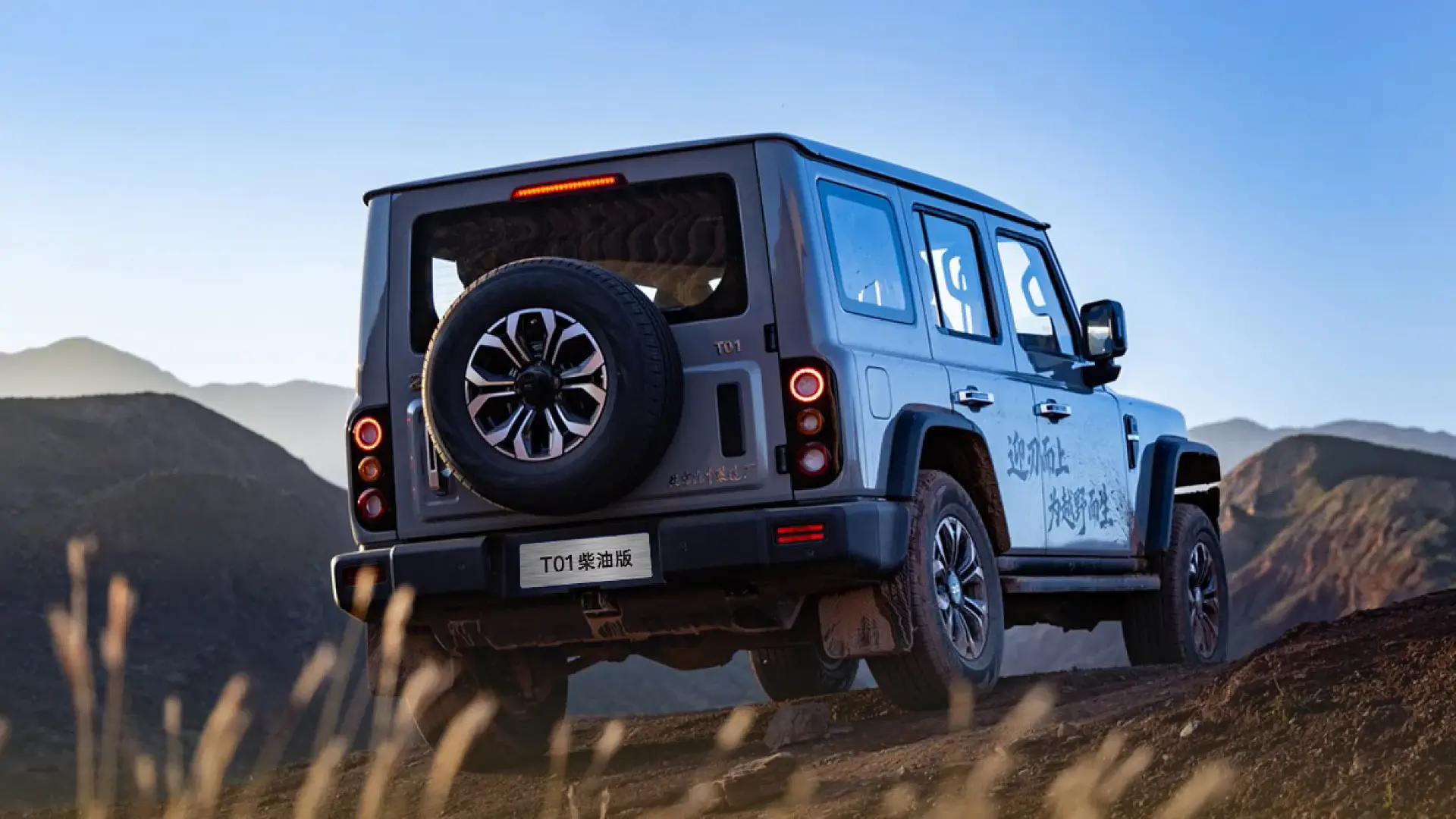
A brand specialising in hardcore off-road vehicles, with roots in classic Chinese military vehicles, is set to arrive in Australia this year. Its initial offering will include both a dual-cab ute and an SUV. The 212 brand operates under Qingdao-based BAW, a former BAIC Group subsidiary that is now privately owned and manufactures a range of civilian and military vehicles.
The automaker has set its sights on established local players like GWM, LDV, and other budget-focused 4×4 brands. Plans are in place to reveal its first two models later this year, with customer deliveries expected to commence in 2027. The T01 is currently the brand’s sole model available in China, offered as a five-seat, four-wheel-drive off-roader featuring coil springs, solid front and rear axles, and a choice of petrol or diesel power. For the Australian market, however, the models will utilise “totally different” underpinnings.
Other Potential Arrivals
Beyond these confirmed or highly anticipated arrivals, several other brands are on the radar for Australia, though their timelines remain less clear. Avatr is expected to land on our shores, but the exact timing is yet to be finalised. Additionally, Chery-backed brands Jetour and iCaur are also earmarked for a potential launch at some stage. Nio, in its primary form, appears less certain for an Australian introduction at this time.




















