

































Vance Tops CPAC Straw Poll for 2028 Presidential Nomination
A significant indicator of conservative grassroots sentiment has emerged from the recent Conservative Political Action Conference (CPAC), with Vice President J.D. Vance securing the top spot in the annual straw poll for the preferred Republican presidential nominee in 2028. Vance garnered 53 percent of the votes from attending activists, positioning him as the frontrunner among a field of potential candidates.

The CPAC straw poll serves as a valuable barometer, offering a snapshot of the preferences and priorities of the engaged conservative base that convenes at the conference each year. While Vance’s 2028 showing was strong, it represented a slight dip from his performance the previous year, where he captured 61 percent of the vote. Vance, notably, did not deliver a speech at this year’s conference.
Florida Governor Ron DeSantis, who previously made a bid for the presidency in the 2024 primaries and has indicated he is contemplating another run, received a modest 2 percent in the straw poll. This figure placed him in a tie with Donald Trump Jr., son of former President Donald Trump. Like Vance, DeSantis was also absent from the speaker’s roster this year.
Secretary of State Marco Rubio saw a substantial increase in support compared to the previous year, earning 35 percent of the vote. This surge in backing is largely attributed to his dedicated work on foreign policy issues in conjunction with former President Donald Trump. In contrast, Rubio had only secured three percent in the 2025 straw poll.
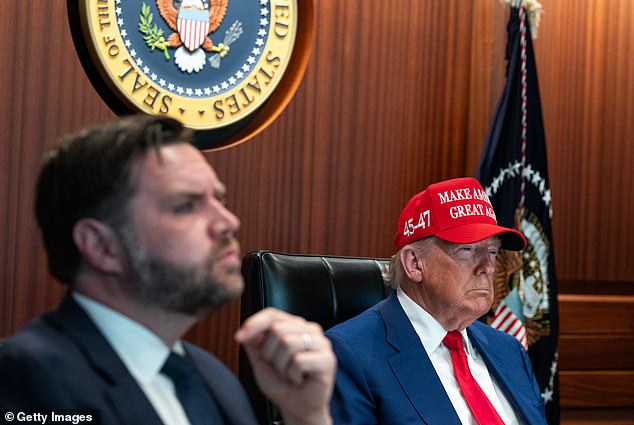
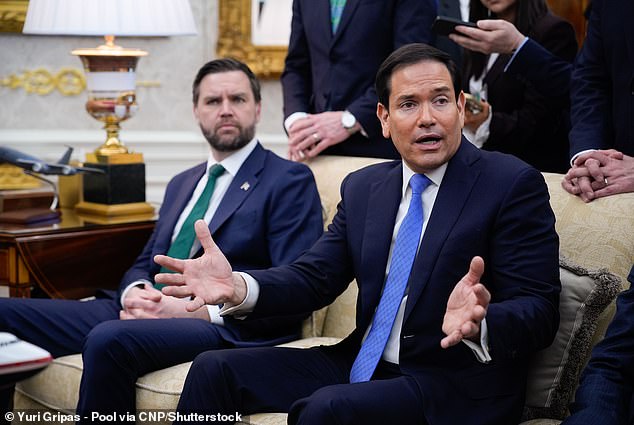
Other notable figures on the political landscape also participated in the poll, though with considerably less support. Texas Senator Ted Cruz, Secretary of War Pete Hegseth, Kentucky Senator Rand Paul, and Director of National Intelligence Tulsi Gabbard each received just one percent of the vote.
This year’s CPAC gathering marked a geographical shift, relocating from its traditional venue near Washington, D.C., to the Dallas suburb of Grapevine, Texas. The event was hosted at the expansive Gaylord Texan hotel and convention center.
Former President Donald Trump was notably absent from the conference proceedings this year. He opted to spend the weekend at his Mar-a-Lago club amidst ongoing international developments, including the ongoing conflict in Iran.
Matt Schlapp, the chairman of CPAC, commented on the qualities necessary for potential successors to former President Trump. He emphasized the importance of emulating Trump’s approach to engaging with the conservative base and the media.
Key Takeaways from the CPAC Straw Poll:
- J.D. Vance’s Dominance: Vice President Vance emerged as the clear favorite among CPAC activists for the 2028 presidential nomination, securing over half of the votes.
- Rubio’s Resurgence: Secretary of State Marco Rubio saw a significant boost in support, reflecting his foreign policy engagement.
- DeSantis’s Future Uncertainties: Florida Governor Ron DeSantis received minimal support, raising questions about his potential path forward after his previous primary challenge.
- Trump’s Influence: The absence of former President Trump did not diminish the focus on his legacy and the qualities deemed essential for future Republican leaders.
- Grassroots Sentiment: The straw poll offers a valuable insight into the current leanings of a key segment of the Republican electorate.
Schlapp articulated that aspiring Republican leaders must embody specific traits to resonate with the conservative movement. “If you want to follow in Trump’s footsteps, you have to have these virtues of being available, being quotable, being interactive with media, being interactive with activists, being interactive with leaders in the community,” he stated, underscoring the perceived need for accessibility and a strong public presence. This sentiment highlights the enduring impact of Trump’s communication style and his direct connection with his supporters. The results of this year’s CPAC straw poll will undoubtedly be a talking point as the political landscape for the 2028 election cycle begins to take shape.



















