

































Tying the Knot Down Under: Navigating the Soaring Cost of Australian Weddings
Planning a wedding in Australia has become a significant financial undertaking, with couples now shelling out a staggering average of nearly $40,000 for their big day in 2026. This eye-watering figure represents an 8 per cent increase year-on-year, a trend that persists despite the pervasive cost-of-living crisis, the ongoing housing affordability challenges, and the recent fuel crisis that continues to put a squeeze on Aussies’ wallets.
Beyond the ceremony and reception, the honeymoon adds another hefty sum, with couples typically spending around $9,684. When combined, the total expenditure can easily approach the $50,000 mark – a sum that could otherwise serve as a substantial deposit on a home.
For those on the cusp of their own nuptials, like a bride-to-be in 2026, the prospect of parting with such a significant amount for a single event can feel overwhelming. The challenge of planning a wedding on a budget in the current economic climate is compounded by the relentless pressure from social media, which constantly bombards couples with aspirational – and often expensive – wedding trends. This is particularly true for those who envision a celebration beyond a micro-wedding or a simple courthouse ceremony.

Many couples find themselves making considerable sacrifices to stay within their financial limits, and this sentiment is far from isolated. The desire to have the wedding of their dreams without incurring crippling debt is a common aspiration, and it is achievable, albeit with careful planning and strategic compromises.
The Shifting Landscape of Wedding Budgets
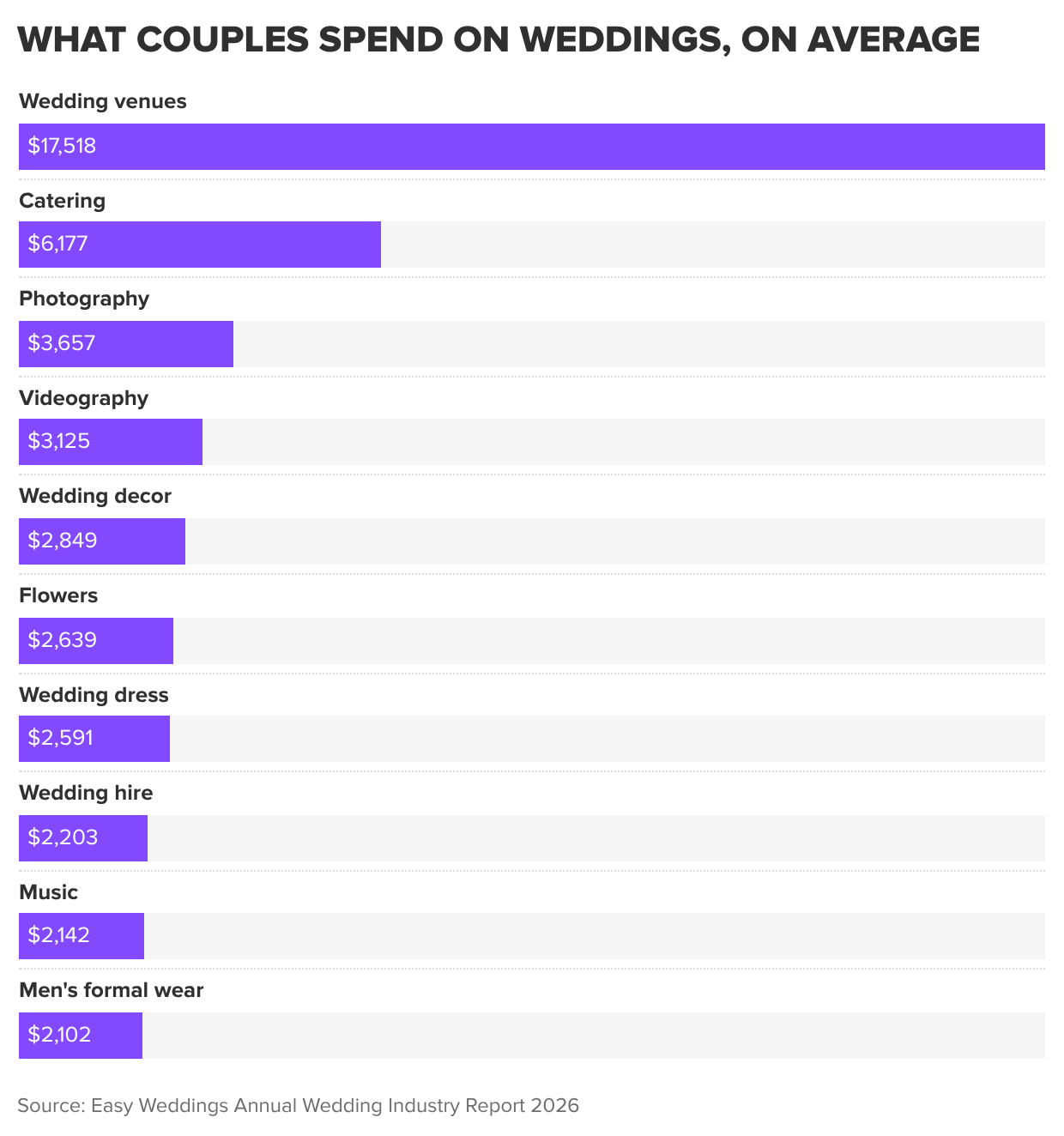
According to the Easy Weddings Annual Wedding Industry Report, Australian couples typically begin their wedding planning with an average budget of $29,471. However, the reality often sees them spending an average of $38,252. A significant portion of this expenditure, nearly 70 per cent, is often supplemented by financial assistance from family and friends.
The breakdown of wedding costs reveals several key areas where couples allocate the bulk of their funds:
- Venues: This is consistently the largest expense, with an average cost of $17,518.
- Catering: Feeding guests can set couples back over $6,000.
- Photography & Videography: Capturing the memories comes at a cost, with each service averaging upwards of $3,000.
- Flowers: Floral arrangements can cost close to $2,900.
- Invitations: Even stationery is a significant expense, with most couples spending around $1,000 on invitations.
The Driving Forces Behind Rising Costs
The escalating expenses associated with weddings are a complex interplay of various economic factors. Darcy Allen, General Manager at Easy Weddings, explains that “everything in every industry is going up at the moment.” This sentiment is echoed by many wedding vendors who have been compelled to increase their prices multiple times in recent years simply to keep pace with the rising cost of living.
The ongoing fuel crisis is another significant contributor, particularly impacting vendors who travel for their work. This necessitates further price adjustments to cover increased operational costs.
Furthermore, the wedding industry itself is evolving. Allen notes the emergence of new supplier categories, such as “content creators for a wedding,” which didn’t exist even five years ago. This expansion reflects the growing influence of social media trends and the desire for couples to curate a visually appealing and shareable wedding experience. The combination of keeping up with these trends and the escalating costs of traditional suppliers means that spending more money is often seen as unavoidable.
Strategies for Savvy Wedding Planning
Faced with these rising costs, many couples are adopting pragmatic strategies to make their dream wedding a reality without breaking the bank. One common approach is to reduce the guest list. Pre-COVID, the average Australian wedding hosted over 100 guests; this number has now dropped to an average of 85. Another popular tactic is to extend the engagement period, with couples now averaging 24 months of engagement, compared to the previous 12-18 months. This provides more time to save and plan.
Beyond these broad strategies, couples are also exploring more specific cost-cutting measures:
- Floral Alternatives: Opting for high-quality artificial flowers instead of fresh blooms can significantly reduce costs.
- DIY Decor: Embracing a do-it-yourself approach for wedding decorations, such as drapery and signage, can lead to substantial savings.
- Cake Simplification: Moving away from elaborate, multi-tier cakes can be a sensible choice.
- Personalised Favours: Rethinking expensive, personalised wedding favours or opting out of them altogether can free up budget.
A particularly effective way to reduce costs is by embracing less traditional wedding dates.
- Mid-Week Weddings: Scheduling a wedding on a weekday, such as a Thursday, can lead to significant discounts from venues and suppliers.
- Off-Peak Seasons: Marrying during the off-peak season, like in winter, can also result in considerable savings.
Allen highlights the financial benefits: “A mid-week wedding is going to be much more cost effective [and] a lot of suppliers will heavily discount or value-add for mid-week weddings.” He further adds, “Combine a mid-week wedding with an off-peak date and the savings are endless.”

A Personalised Approach to Budget-Friendly Nuptials
With a wedding just weeks away, the personal experience of planning under the national average budget confirms that while challenging, it is far from impossible. For this couple, a mid-week wedding wasn’t feasible, but they strategically chose a May date, close to winter, which their chosen venue offered at a significant discount.
Their guest list was kept under 65 attendees, and they opted for digital invitations costing a mere $70. Simple wedding favours were sourced online, and they made the decision to forgo a videographer entirely. The bride plans to wear just one dress, and her shoes were a savvy purchase during a sale at David Jones.
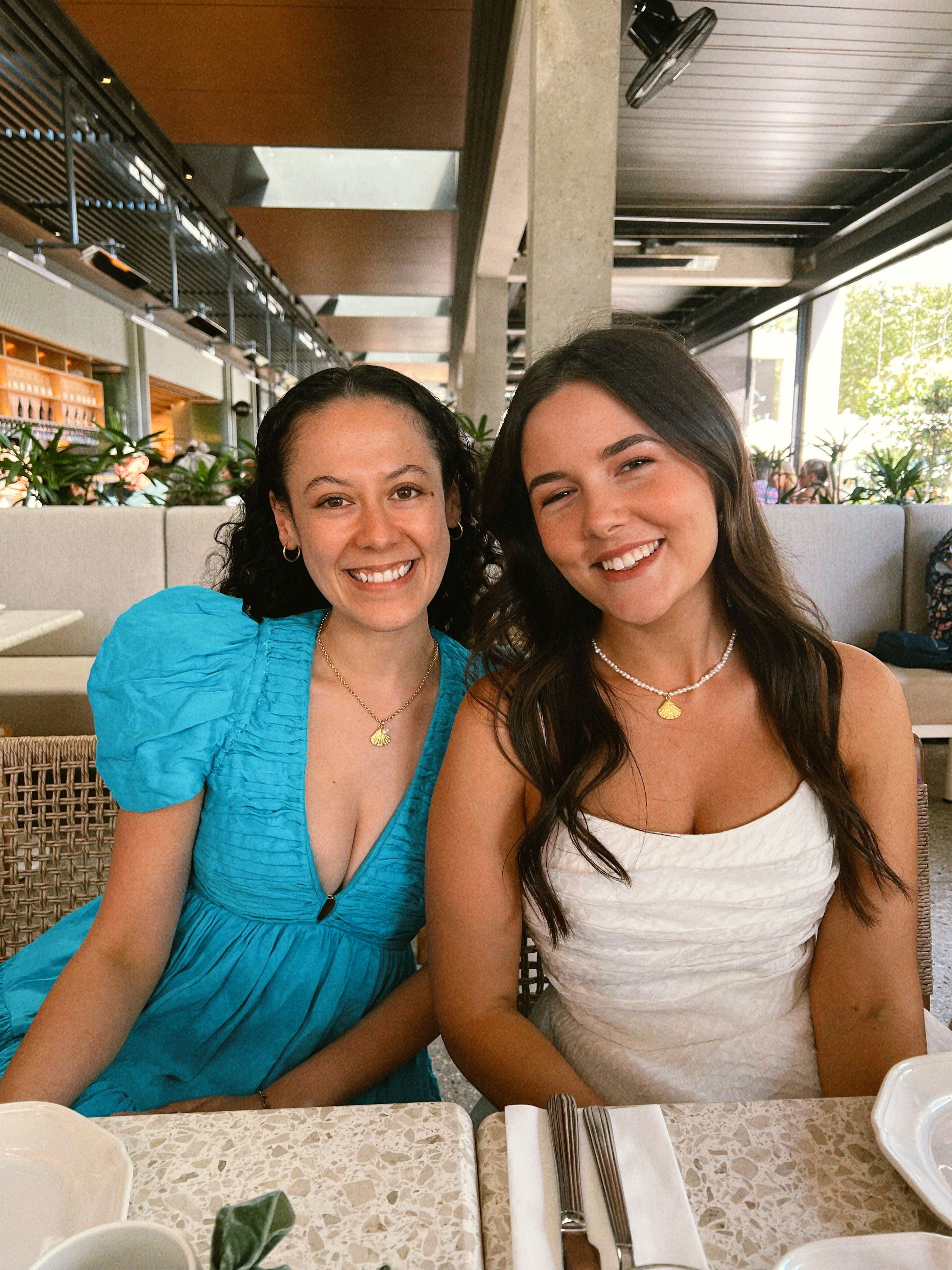
The bachelorette party was a relaxed affair – a casual lunch rather than an elaborate weekend getaway. To capture the day’s moments, a close friend will act as the unofficial content creator, negating the need for a professional.
These deliberate cost-saving measures mean that the total price of their wedding is coming in thousands of dollars below the national average. The driving motivation behind these choices is a firm belief that it’s not worth going into debt or compromising future plans, such as starting a family or purchasing a home, simply to fund a more extravagant wedding. This sentiment is especially relevant given the ongoing economic pressures, which suggest that wedding costs are likely to continue their upward trajectory in the coming years.


















