

































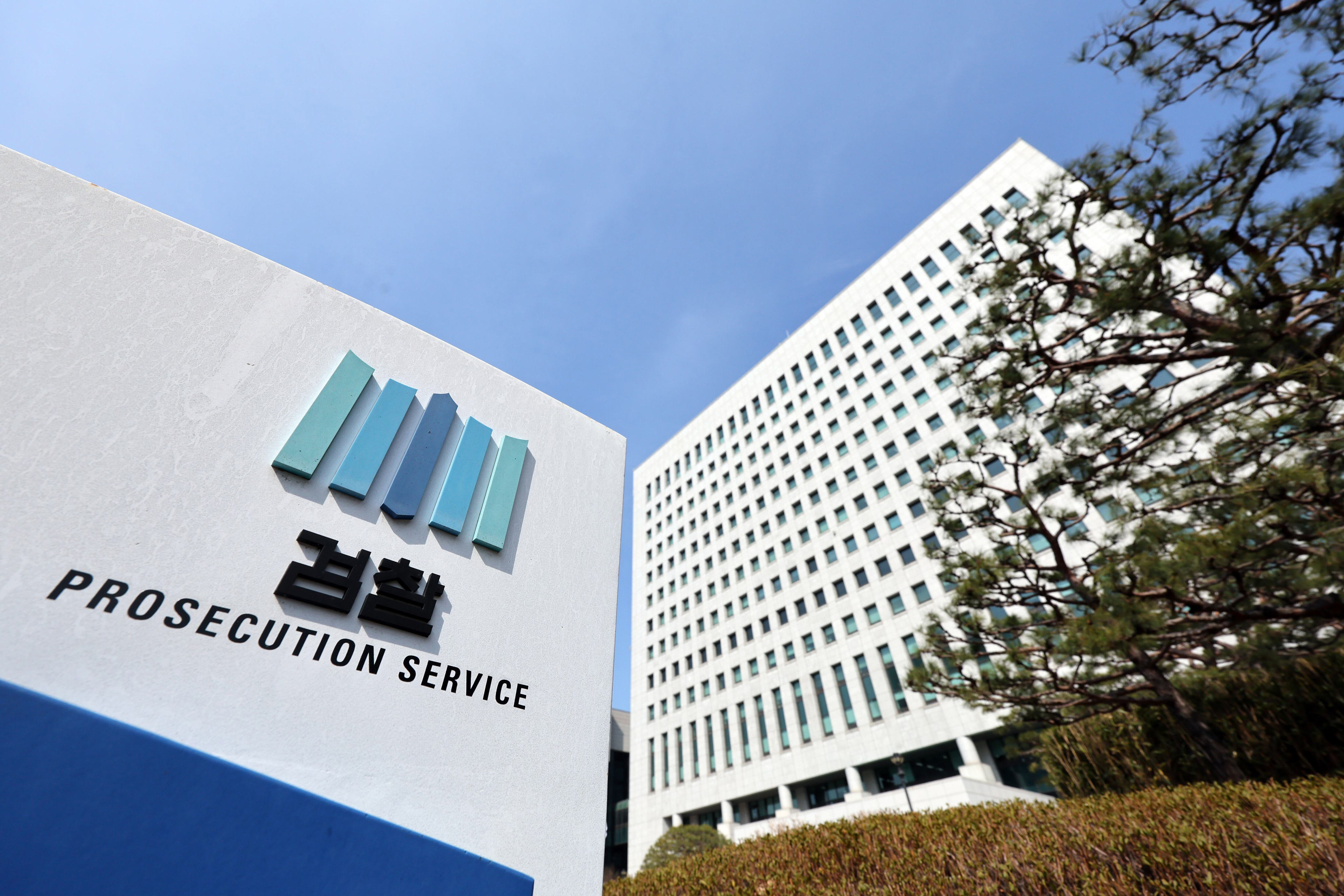
The Korean prosecution service is facing an unprecedented exodus of legal professionals as the planned abolition of the Prosecutors’ Office looms in six months. The accelerating departure of prosecutors, driven by resignations and assignments to special counsel teams, is raising alarms about the service’s capacity to maintain normal operations. Officials and legal experts are warning that the system is teetering on the brink of functional collapse.

Escalating Resignations and Personnel Drain
Official figures reveal a stark reality: 58 prosecutors have officially resigned from their posts between January 1st and March 27th of the current year. This figure is particularly alarming when compared to the previous year, which already saw a decade-high of 175 resignations. In less than three months, the current year’s resignations have already surpassed one-third of last year’s total. Furthermore, with more junior prosecutors expected to finalize their resignation announcements imminently, the number for March alone is projected to reach 60.
The situation is exacerbated by the significant number of prosecutors seconded to five different special counsel offices. A total of 67 prosecutors have been dispatched to these investigations, effectively removing them from their regular duties. When combined with the growing number of resignations, this brings the total number of prosecutors no longer performing frontline duties to an staggering 125.
To put this figure into perspective, 125 prosecutors is more than the entire current workforce of the Incheon District Prosecutors’ Office, the second-largest prosecutorial office in the nation, which stands at 106 personnel.
Operational Strain and Case Backlogs
The dramatic reduction in personnel is having a direct and severe impact on the day-to-day operations of prosecutorial offices across the country, leading to significant delays in case processing.
- Cheonan Branch of the Daejeon District Prosecutors’ Office: This office, which is authorized to have 35 positions, is now operating with only 17 filled posts due to the high rate of resignations. This represents a critical understaffing, severely hindering its ability to manage caseloads.
- Suwon District Prosecutors’ Office: Reports indicate that this large office is now retaining only 49 of its 99 authorized positions. This means less than half of its designated roles are currently filled, creating immense pressure on existing staff.
Voices of Concern from Within
The strain on the remaining prosecutors is palpable. An Mi-hyun, a deputy chief prosecutor at the Cheonan Branch and a graduate of the 41st term of the Judicial Research and Training Institute, recently took to social media to express her deep concern. Under the stark title ‘Bankrupt District Prosecutors’ Office,’ she described the overwhelming workload:
“Each investigating prosecutor handles over 500 unresolved cases and 100 non-indicted cases. Even with overtime on weekdays and weekend work, it’s unmanageable.”
This personal account highlights the unsustainable pressure faced by individual prosecutors struggling to keep up with their responsibilities.
Another prosecutor, Ryu Mi-rae from the Busan District Prosecutors’ Office, a 10th bar exam qualifier, announced her resignation with a scathing critique of the current environment. She stated:
“I can no longer perform my duties as political logic shakes the foundation of the judicial system. Who will take responsibility for the judicial vacuum?”
Her words point to a perceived erosion of the rule of law and the principles of justice, driven by external political influences, leading to a crisis of confidence within the legal profession.
The Growing Shadow of Unresolved Cases
The consequence of this personnel crisis is a dramatic surge in the number of long-pending cases. The prosecution service has seen a more than twofold increase in cases that have remained unresolved for over three months. This number has ballooned from 18,198 in 2024 to a staggering 37,421 last year. This sharp escalation underscores the growing backlog and the diminishing capacity of the prosecution to deliver timely justice. The ongoing exodus of experienced legal professionals threatens to deepen this crisis, leaving a significant void in the nation’s judicial system.



















