

































Southeast Asia’s Energy Wake-Up Call: The Resurgence of the Asean Power Grid
Recent geopolitical tensions in the Middle East have sent shockwaves through Southeast Asia, exposing the region’s deep-seated vulnerability to global energy market disruptions. What began as assurances of cushioned blows and stabilised prices has, a month later, morphed into a stark reality of soaring oil prices, widespread fuel queues, and the reluctant reactivation of mothballed coal power plants. This crisis has reignited a decades-old vision: the Asean Power Grid, a comprehensive plan to connect the national electricity networks of all 11 member states.
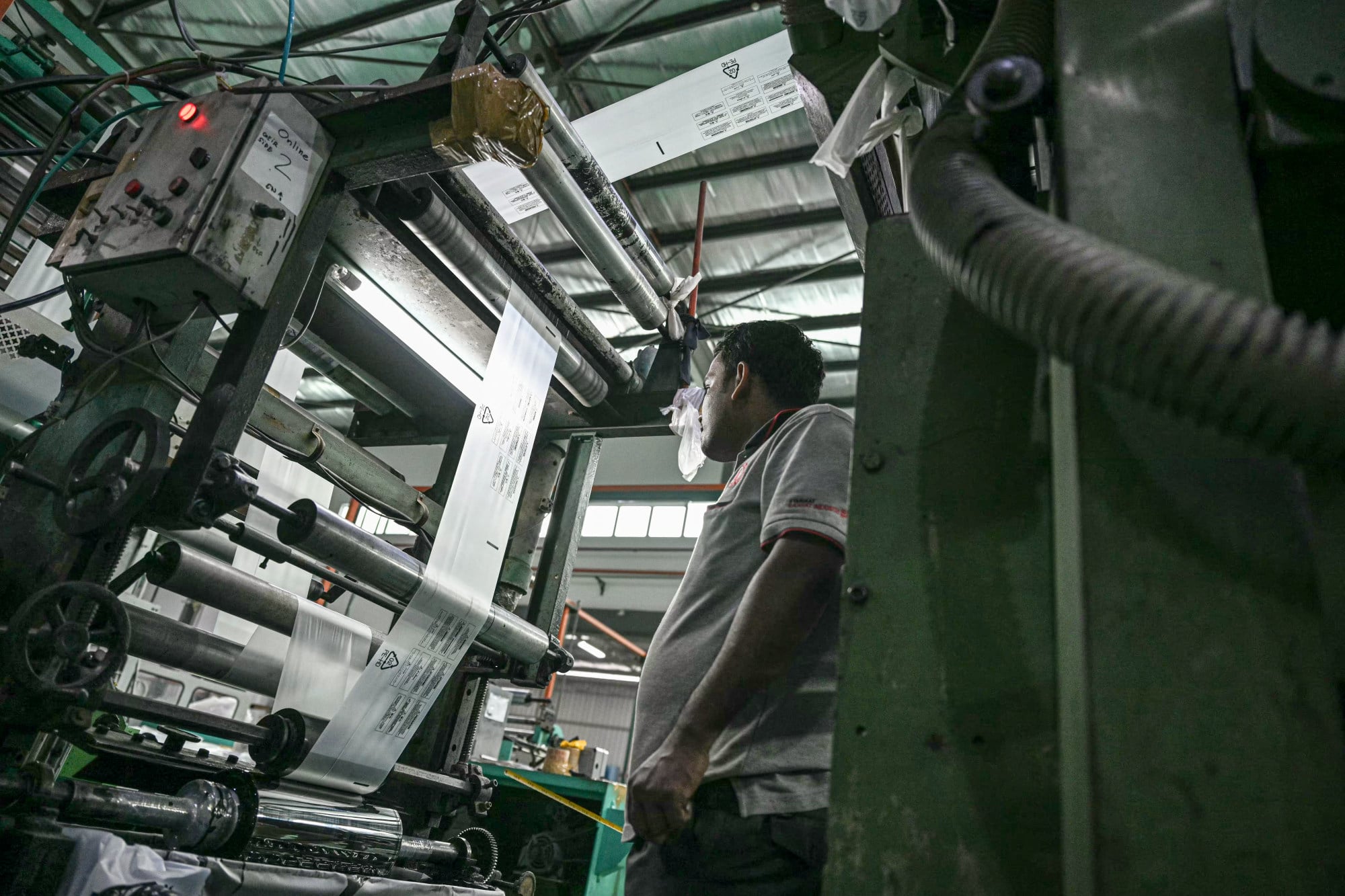
The urgency of this initiative has never been more apparent. The conflict, triggered by strikes on Iran and leading to a near-total blockade of the Strait of Hormuz, has highlighted how precarious Southeast Asia’s reliance on imported fossil fuels truly is. For businesses like Shaun Ho’s family-run plastic packaging factory in Malaysia, the impact has been immediate. Suppliers initially halted sales, only to return with price hikes of at least 10%. The cost of raw materials, derived from crude oil and natural gas, surged by up to 70% by mid-March, presenting a significant challenge for an industry dependent on these commodities.
The Strait of Hormuz, a critical chokepoint for global energy trade, sees approximately 25% of the world’s seaborne oil pass through it, with a substantial portion destined for Asia. Its closure, even temporarily, represents a significant “rare event risk” that energy planners have long modelled, but which has now become a tangible threat. Beyond oil, the price of liquefied natural gas (LNG) has more than doubled since the conflict began, reaching as high as US$25 per million British thermal units, a stark contrast to the US$10 baseline seen earlier.

Governments across the region, from Bangkok to Manila, have scrambled to mitigate the impact. Emergency oil funds have been depleted, price controls implemented, and heavily regulated electricity tariffs leveraged to shield consumers and industries. However, these measures come at a significant fiscal cost, estimated at tens of millions of dollars daily, creating a looming fiscal challenge.
A Region Exposed to Global Shocks
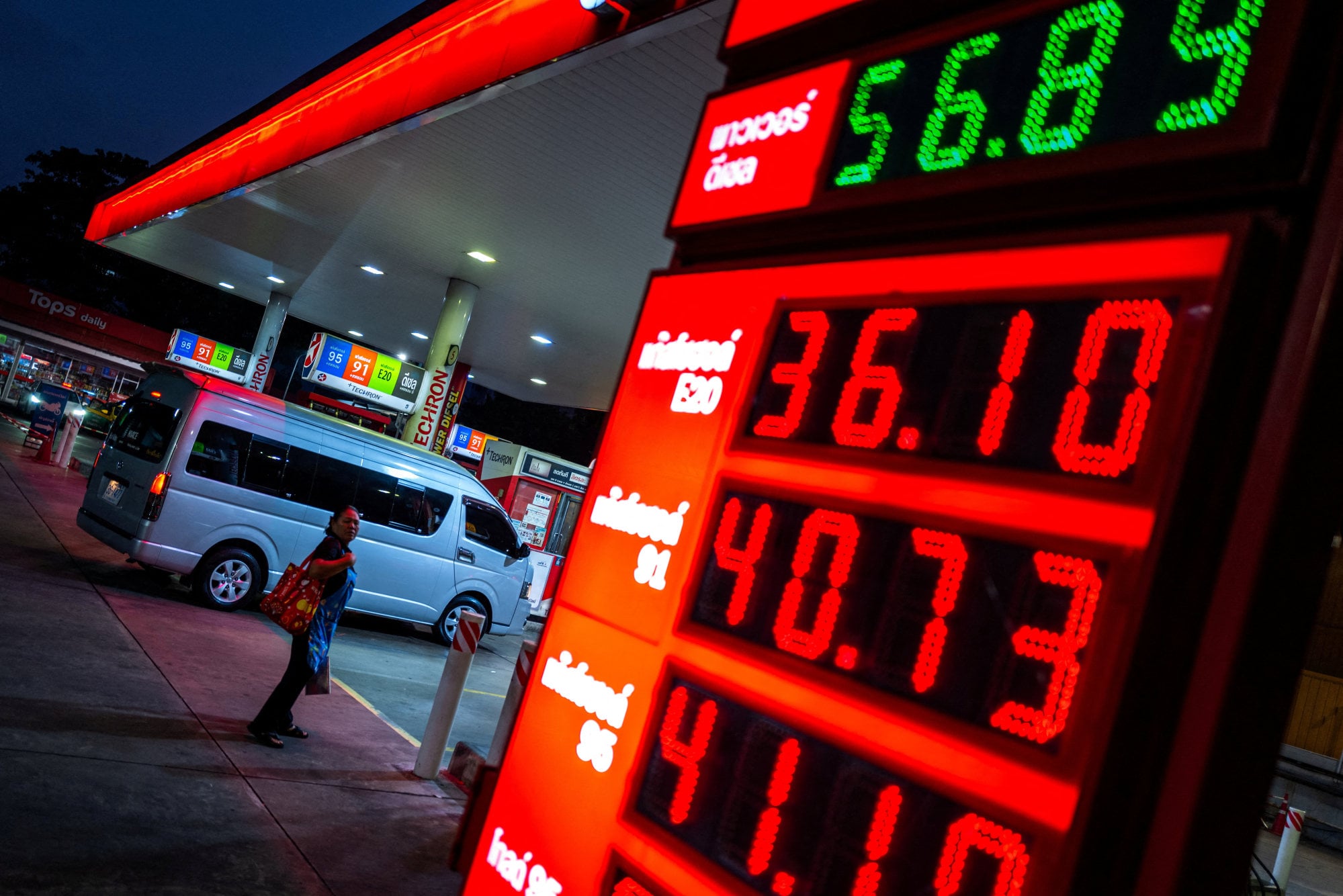
“The region is not insulated from global energy shocks,” noted Antonia Weitzer, associate director for renewable energy solutions at climate solutions firm South Pole. “But it’s experiencing them with delay.” This delay is now diminishing as the global repercussions catch up. In Thailand, for example, petrol prices increased significantly after the government withdrew subsidies from its oil fund, which was reportedly haemorrhaging around US$30 million per day.
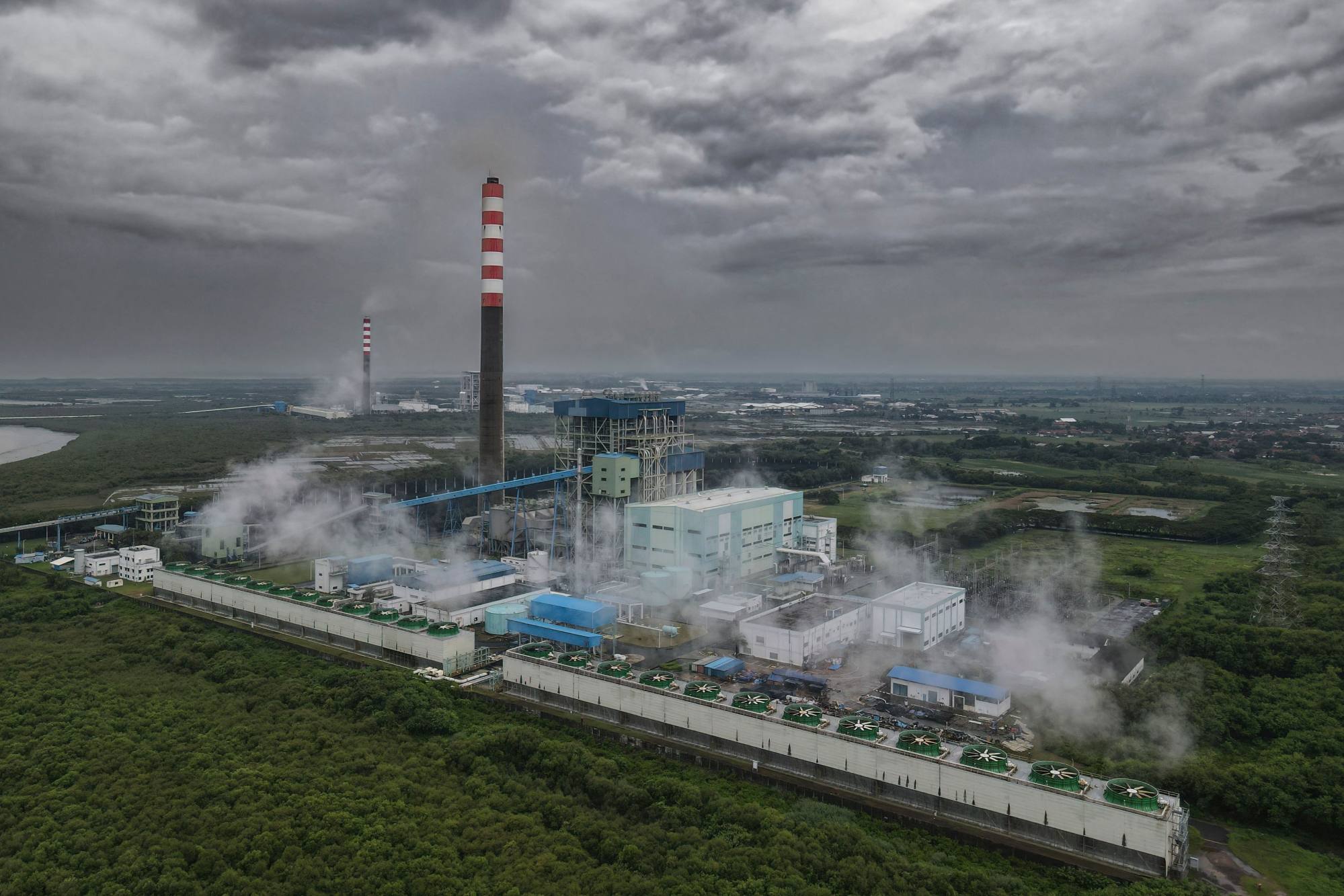
In response, Thailand has reactivated two decommissioned units at the Mae Moh coal-fired power plant, adding 600 megawatts to its national grid. While a modest addition, it signifies a reversal of the trend away from fossil fuels. The impact of the crisis varies across the Association of Southeast Asian Nations (Asean).
- Singapore and Thailand, heavily reliant on LNG imports, are bearing the brunt of the sharpest price increases.
- Indonesia and Vietnam, with a higher reliance on coal, have temporarily cushioned the immediate blow but face potential investor backlash against polluting energy sources in the long term.
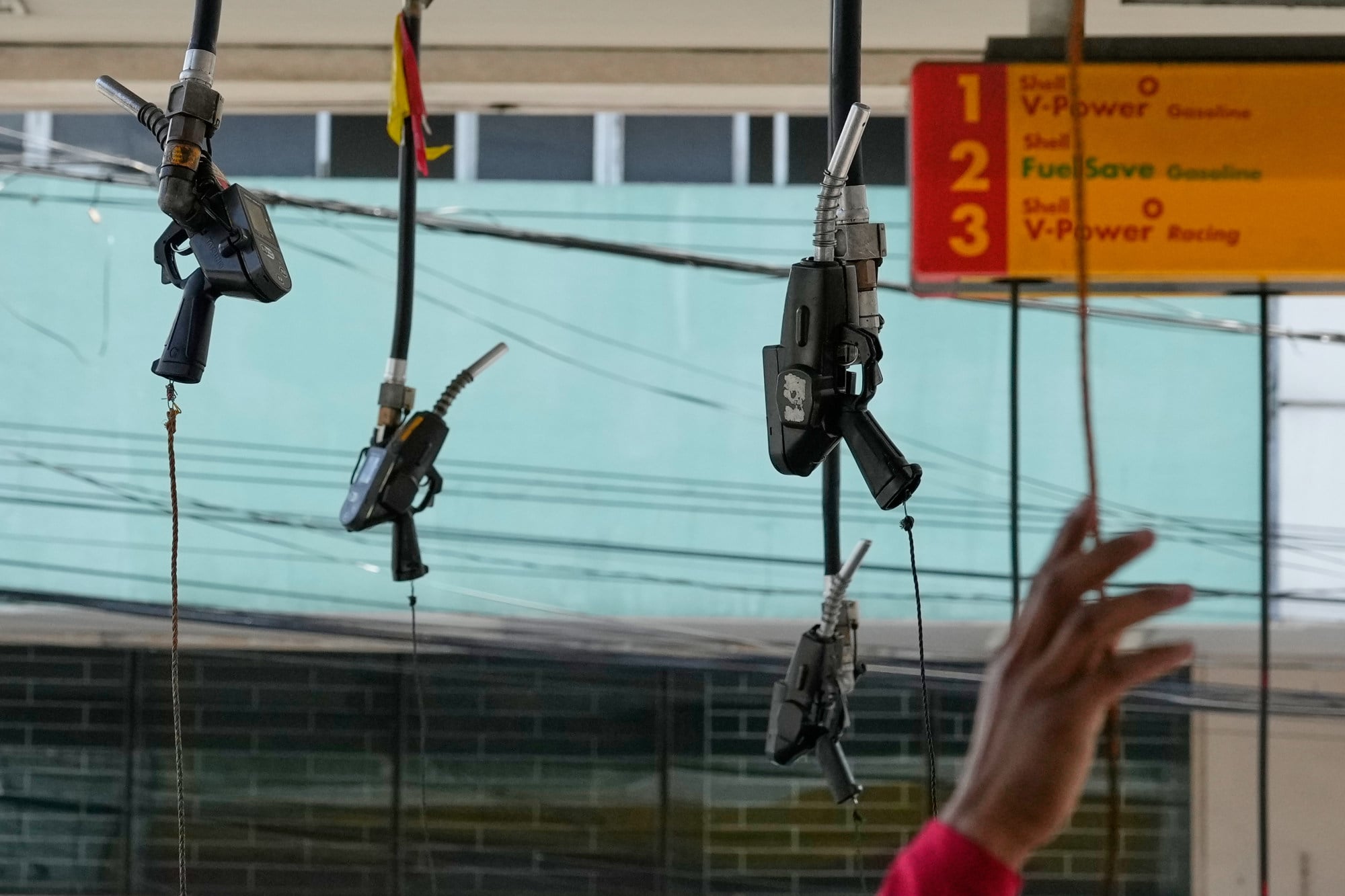
- The Philippines, importing nearly all its fuel, declared a national energy emergency, with President Ferdinand Marcos Jnr warning of an “imminent danger of a critically low energy supply.”
- Malaysia, despite being a net exporter of natural gas, is not entirely insulated. Recent policy shifts mean factories and commercial users are increasingly subject to market rates for electricity, illustrating that energy wealth does not automatically translate to energy security.
Karambir Anand, managing partner at regional consultancy YCP Southeast Asia, observed that the crisis “highlights Asean’s heavy reliance on fossil fuels” for approximately 80% of its total power generation. This reliance exposes the region to “price volatility, supply risks and emissions.”
The Asean Power Grid: A Vision for Resilience
Amidst this escalating crisis, a long-dormant concept has re-emerged with renewed vigour: the Asean Power Grid. This ambitious initiative envisions connecting the national electricity networks of all 11 member states through an extensive web of overland and undersea cables.
Michael O. Sinocruz, director of the Philippine Department of Energy’s Energy Policy and Planning Bureau, stated that an interconnected regional grid “can enhance resilience.” He elaborated that it would facilitate “cross-border electricity trade, optimising the use of diverse energy resources and providing alternative supply options during periods of domestic shortfall.”
The Philippines, currently holding the Asean chairmanship, is actively advocating for the regional grid to be elevated from a long-term decarbonisation aspiration to a matter of national and regional security. Carlos Pacheco, operations manager at geopolitical consultancy Aurora Insights, believes the “Iran conflict is the tipping point, where the conversation has been transformed from operational energy security to national energy security.” He explained that governments had previously viewed power infrastructure primarily through a commercial lens, driven by industrial demand and green pledges. The current conflict has injected a more existential dimension into these discussions.
A tangible proof of concept already exists: the Laos-Thailand-Malaysia-Singapore power integration project, launched in 2018 and extended to Singapore in 2022. This pioneering interstate transmission line currently trades approximately 200MW of renewable energy, demonstrating the feasibility of cross-border electricity trade within Asean.
Cambodia’s Energy Minister, Keo Rottanak, emphasised the importance of this initiative, stating, “Situations like this should remind all of us that an Asean Power Grid is the way to go. We would be much, much more resilient than we are today.”
Overcoming Obstacles to a Connected Future
Despite the compelling arguments, the path to constructing a fully integrated Asean Power Grid is fraught with challenges. Asean’s foundational principle of consensus-based decision-making requires unanimous agreement from all member states, a process that can be slow and cumbersome.
Furthermore, significant disparities exist in technical standards, regulatory frameworks, and existing grid infrastructure across the region. The economic gap between member states is also substantial, with the largest economy, Indonesia, far exceeding the GDP of newer members like East Timor.
The physical undertaking of linking a largely maritime region with an extensive network of subsea cables is an enormous infrastructural challenge. Experts estimate that the complete grid could cost hundreds of billions of dollars and take a decade or more to realise. Christopher Len, acting coordinator of the ISEAS-Yusof Ishak Institute’s climate change in Southeast Asia programme, highlighted that “Building an extensive network of subsea cables to link a largely maritime region will be technically complex and capital intensive, with a large share of costs tied to those subsea links.”
In the immediate aftermath of the crisis, the regional response has been fragmented. Indonesia announced plans to increase coal production, Vietnam accelerated nuclear power plant discussions with Russia, and Thailand imposed travel restrictions on civil servants. Amidst this disarray, the Asean Power Grid has found a vocal champion in Cambodia’s energy minister.
The Imperative for Collective Action
Experts argue that the scale of the challenge should not deter action but rather underscore the need for urgency. Even if the current geopolitical conflict were to resolve swiftly, it has “only heightened the urgency” for Asean to advance the power grid initiative, according to Sinocruz.
Alloysius Joko Purwanto, an energy economist at the Economic Research Institute for Asean and East Asia, suggested that the crisis should also prompt the bloc to negotiate energy purchases collectively. Acting as a single buyer, rather than 11 separate entities competing in the global market, would significantly strengthen their bargaining position. “The group must consolidate their regional demand and act as a single buyer to strengthen their bargaining position in the world energy trade, helping the region’s most disadvantaged economies from getting more marginalised,” Alloysius stated.
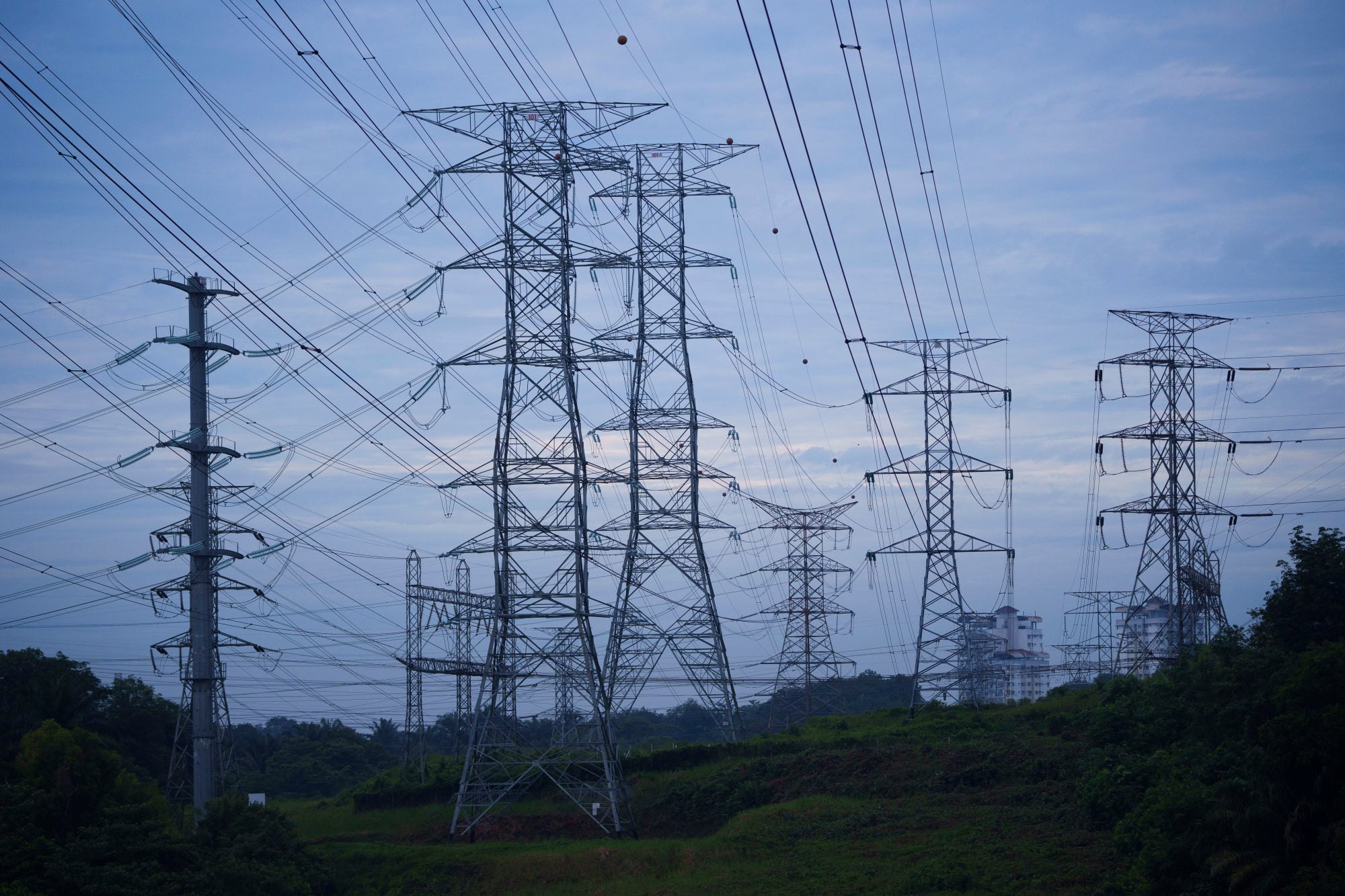
The establishment of a regional strategic energy reserve was also proposed as a measure to provide member states in crisis with a safety net before panic sets in. Pacheco stressed that Asean leaders must move beyond their “default mode of slow consensus” towards a more collective approach. This includes building shared technical capacity now to prepare for the substantial capital investment required for the grid. He added, “It’s moving from the consensus process to something where they are operating more collectively, then moving to something more attractive for foreign investors. It’s upon the politicians to earn their pay.”
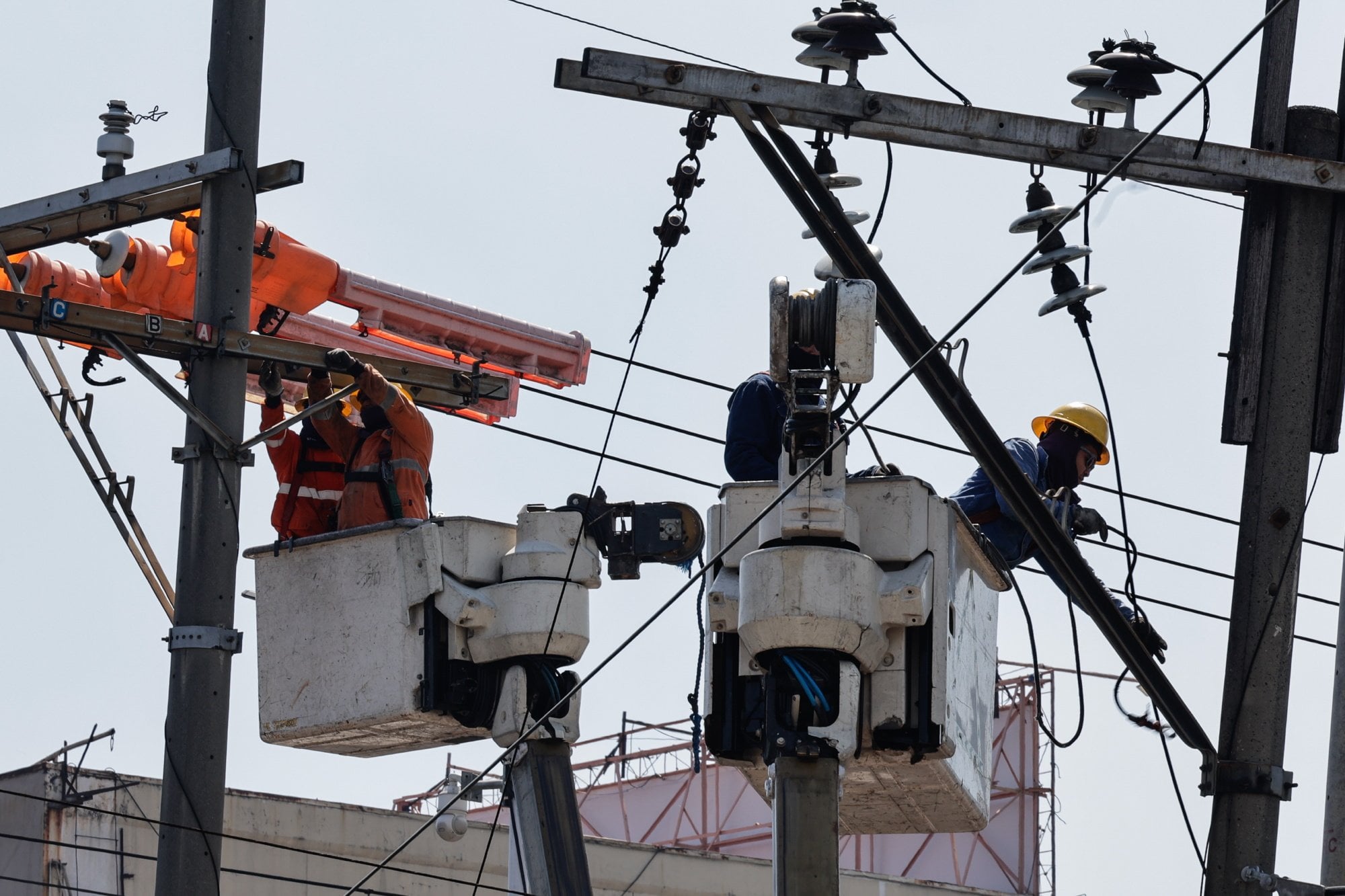
The blueprint for an energy self-sufficient Southeast Asia exists. What is now critically needed is the political will and collective commitment to transform this vision into a reality, securing the region’s energy future against the backdrop of an increasingly volatile global landscape.



















