

































Australia’s Energy Strategy Amid Ongoing Strait of Hormuz Uncertainty
Energy Minister Chris Bowen has highlighted the Albanese government’s approach to securing fuel supplies, acknowledging that the Strait of Hormuz may remain closed for an extended period. This assessment comes as the government continues to plan for potential disruptions in international supply chains.

During a speech in Canberra on Monday, Bowen emphasized that Australia’s energy security strategy does not rely on a quick resolution to the current situation. Instead, it accounts for ongoing uncertainty and challenges in global logistics. “We are not counting on the opening of the Strait of Hormuz in terms of our scenario planning,” he stated. “What we are doing is continuing to work on the basis that this uncertainty and constraint on supply will continue.”
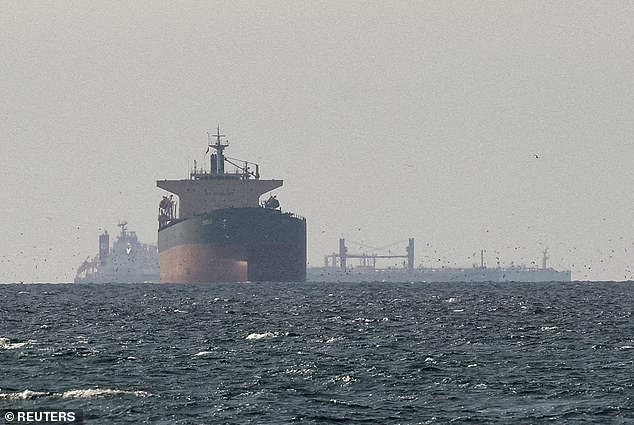
Bowen confirmed that Australia currently has 57 fuel ships en route, with more than four billion litres of fuel contracted to arrive over the next four weeks. He noted that since the conflict began, every cargo expected to reach Australia has successfully arrived. “Any cancellations of forward orders have been replaced, and more,” he said. However, the minister was careful to highlight that the global environment remains volatile and largely outside of Australia’s control.
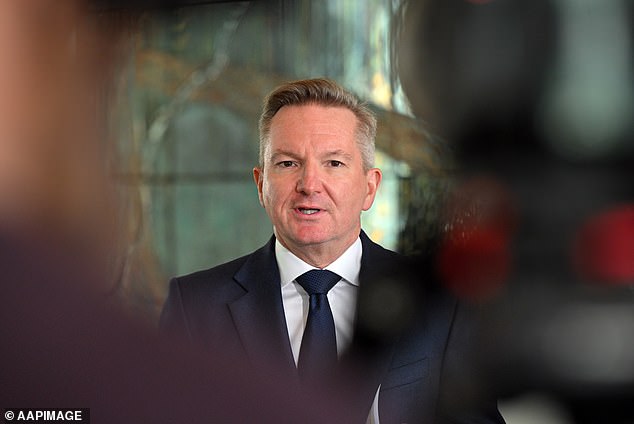
“This is an uncertain international environment with risks all through it for the supply chain,” Bowen explained. “That was the case at the beginning of this crisis, and it remains the case now.” He added that developments around the Strait of Hormuz had not changed the immediate outlook for fuel supplies but cautioned that the situation beyond the coming weeks is still deeply uncertain.
His remarks came after former President Donald Trump announced an overnight blockade of the Strait of Hormuz, set to take effect from midnight (AEST). Despite this, Bowen stressed that the government is taking a cautious approach, avoiding over-optimism based on short-term diplomatic shifts. “There was some excitement when a ceasefire was announced, but I said clearly that there was some way to go and we could not get ahead of ourselves,” he said.
While Bowen insisted that the government is doing everything possible to secure fuel shipments, his comments painted a picture of Australia’s vulnerability in a prolonged crisis. He acknowledged that even allies are facing similar challenges. “We are not fully aware how this will play out in coming weeks in the Strait of Hormuz and elsewhere,” he said.
Bowen also used the opportunity to reiterate the importance of reducing Australia’s reliance on imported fossil fuels. He pointed to renewable energy as a key component of national resilience. “No war can impede the flow of sun to Australia,” he said. “No sanctions can be applied to wind, and the sun does not have to travel through the Strait of Hormuz.”
This perspective underscores the need for long-term strategies that focus on energy independence and sustainability. As the situation in the Strait of Hormuz remains unpredictable, Australia’s approach to energy security will likely continue to evolve, balancing immediate needs with future goals.



















