

































Federal Energy Minister Considers State Fuel Reserves
Federal Energy Minister Chris Bowen has expressed openness to states establishing their own fuel reserves, following Western Australia’s (WA) proposal to create a strategic stockpile of diesel. WA has emphasized the need for such measures due to its vast size and reliance on remote communities, as well as its agricultural and resources sectors. These factors have made it crucial to protect the state from potential energy shocks.

Amber-Jase Sanderson, WA’s Energy Minister, stated that a separate diesel stockpile, potentially millions of litres in size, would provide additional resilience. The supplies would be controlled by the state government and only available to West Australians.
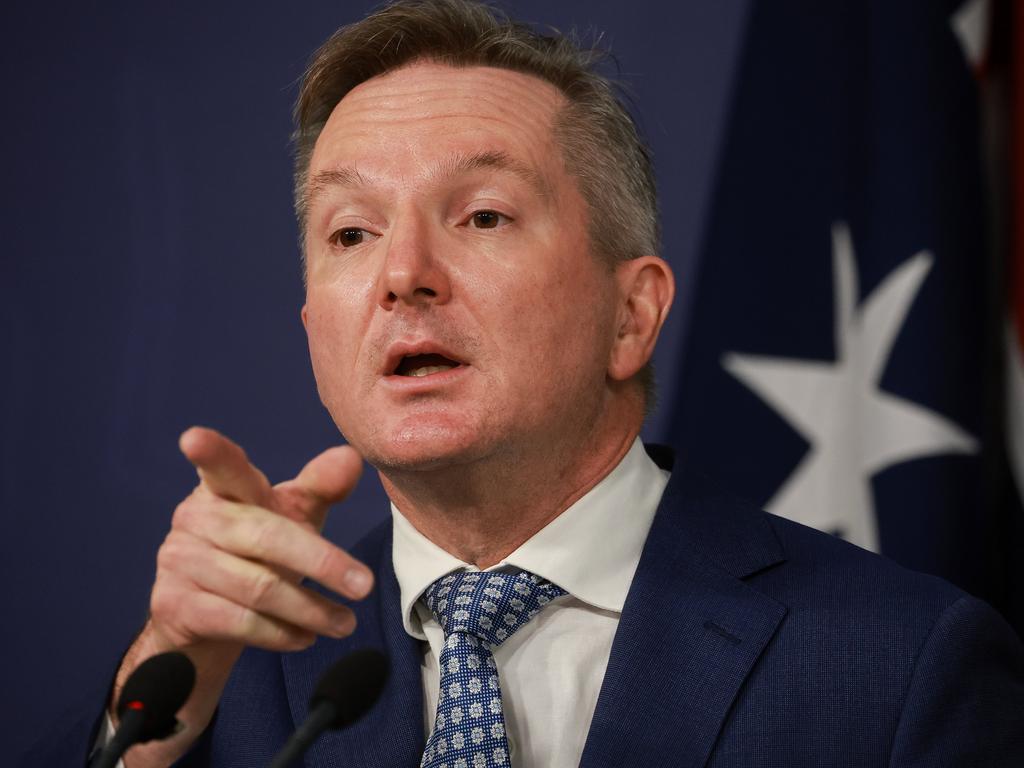
However, Mr. Bowen dismissed concerns that WA was prioritizing itself over other states, saying he welcomed “positive action” from all states. “Certainly, where a state takes positive action, they’ll have our full support,” he told reporters at a press conference on Monday. He added that the WA government had informed federal counterparts of its plans, emphasizing that the stockpile would be an additional supply rather than one taken from another state.
“They have sought and received assurances it’s additional supply to Australia, helping them manage. Four million litres is not a huge amount, but it’s material and useful.”
Anthony Albanese confirmed that WA Premier Roger Cook had engaged in “constructive discussions” with the federal government.
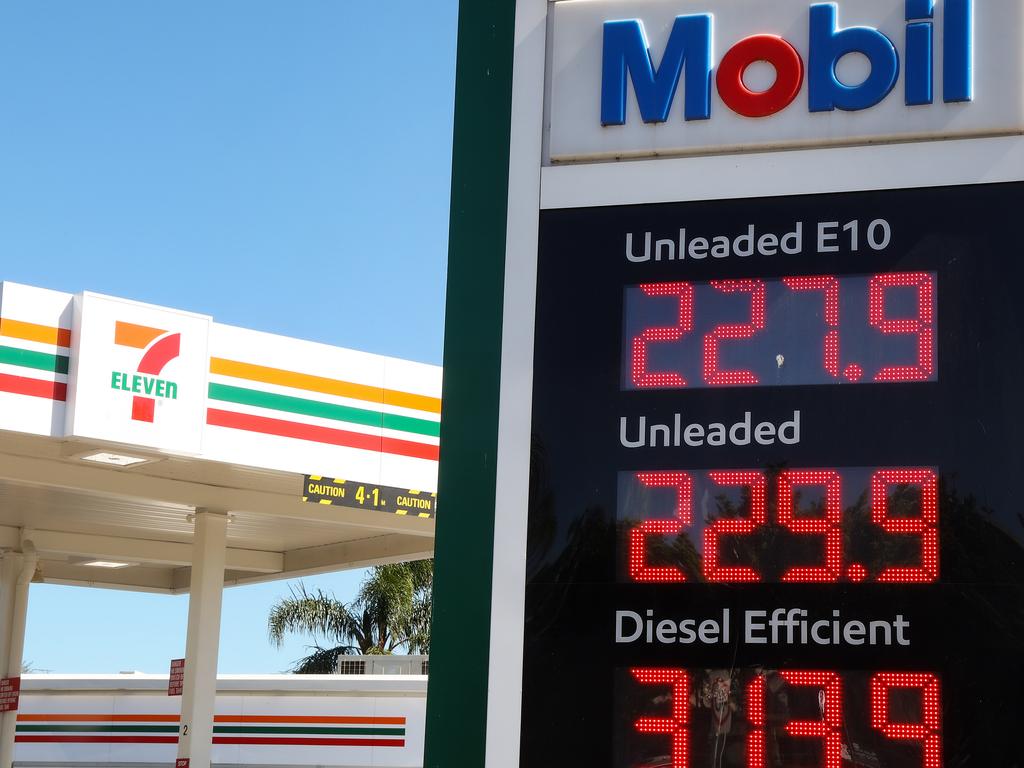
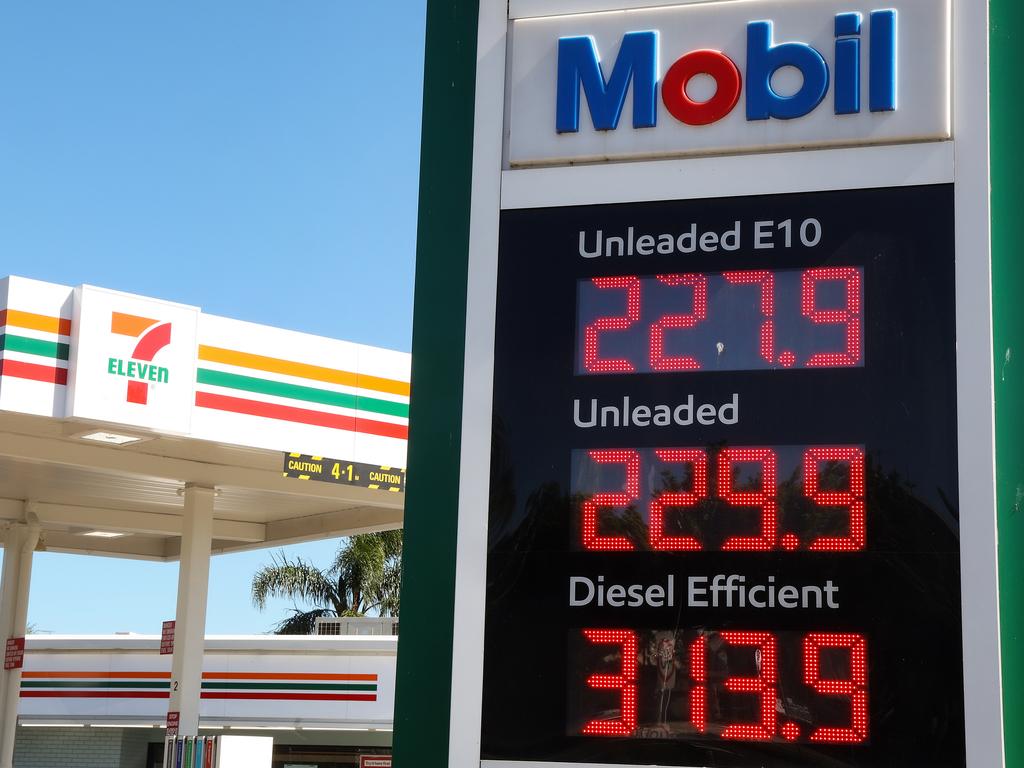
As of Mr. Bowen’s Monday update, Australia holds 38 days’ worth of petrol, 28 days’ worth of jet fuel, and 31 days’ worth of diesel. However, some 250 petrol stations across the country had run out of diesel, which amounts to 4.5 per cent of service stations running dry.
Backlash to Labor’s $20m Ad Campaign
Labor’s $20m ad campaign urging Australians to save fuel has faced criticism after Social Services Minister Tanya Plibersek described the cost as a “good investment.” The “Every Little Bit Helps” campaign, launched on Monday, encourages Australians to voluntarily conserve fuel by using their cars less, carrying less weight, and opting for walking or public transport instead of driving.
Ms. Plibersek told Seven’s Sunrise on Monday that the campaign was necessary to combat online misinformation about Australia’s fuel security. She pointed to Australia’s adoption of the four-stage National Fuel Security Plan and its status at Level 2, where supply is secure but localised disruptions occur. At this stage, the government takes precautionary actions to shore up fuel supply, and Australians can contribute by using fuel more efficiently.
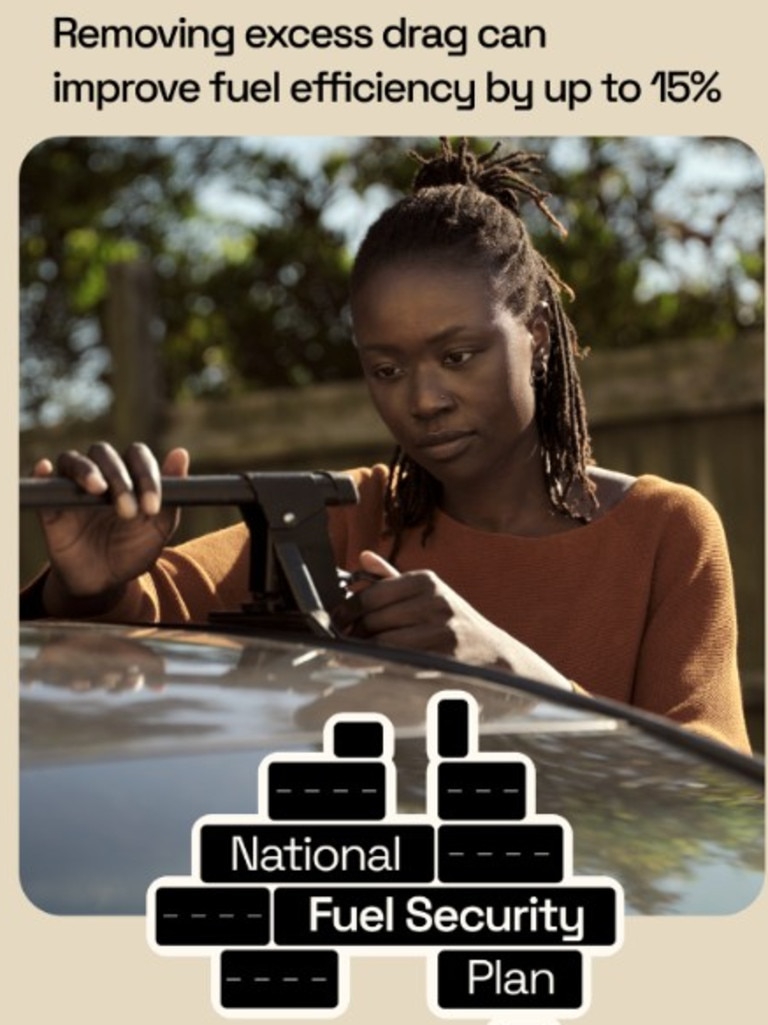
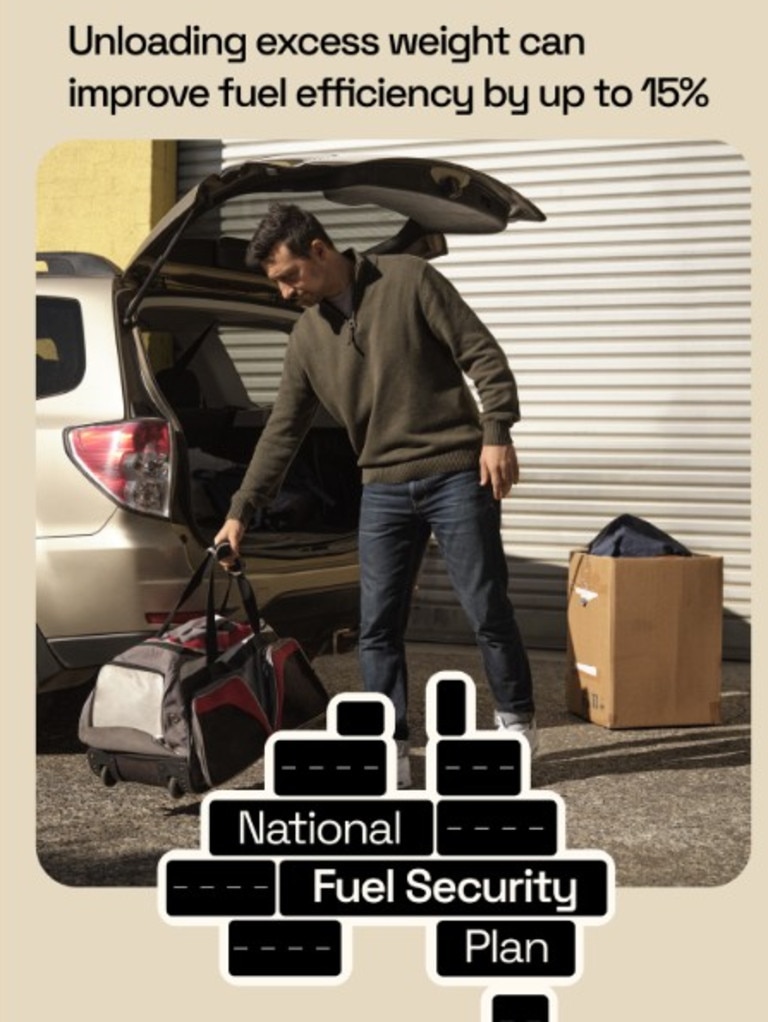
She said the advertising campaign was informing people of “practical ways they can make a difference.” “Some of them (Australians) might know about already, some of them they don’t know about. I think it’s a good investment.”
However, deputy Liberal leader Jane Hume cast doubt on the $20m cost, questioning whether the funds were better placed elsewhere. “I don’t think a $20m advertising campaign wagging its finger at people that have roof racks on their car, or haven’t pumped up their tires in the last couple of months is the solution here,” she told Sky News.
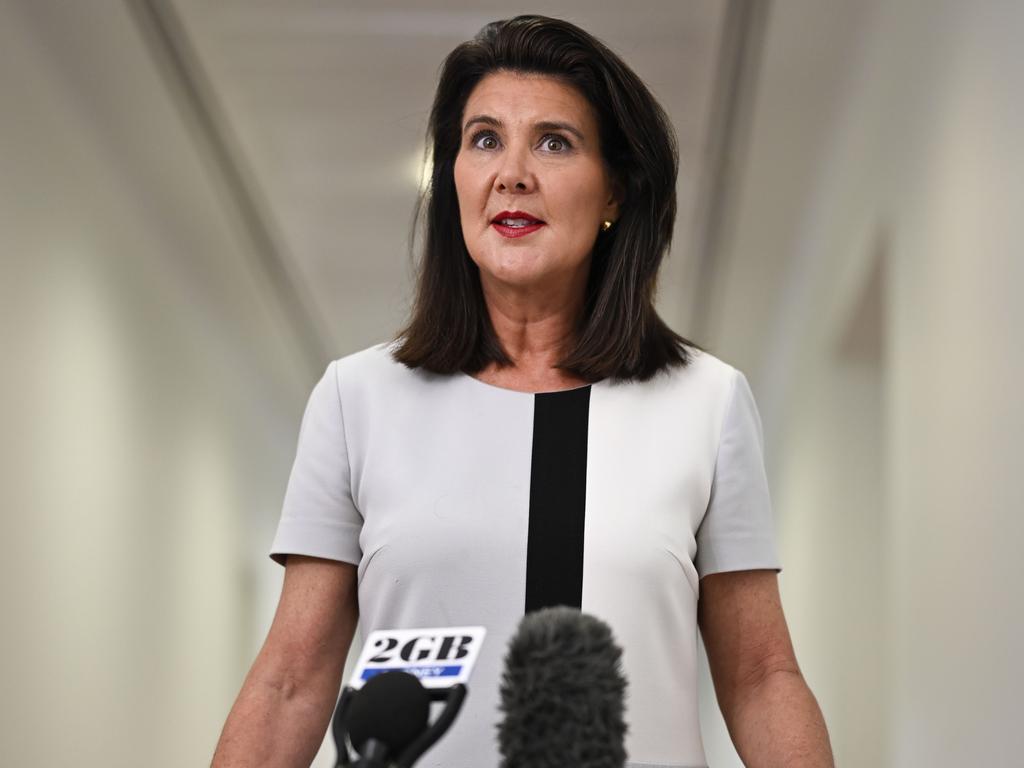
“In fact, $20 million could fill up around 100,000 tanks of petrol into cars on the road today. Instead, we’ve got people telling us to drive more smoothly … I’m not entirely sure that this is a good use of taxpayer money.”
One Nation MP Barnaby Joyce later called the ads “ridiculous” and suggested Labor had lost control of the crisis. “It’s a sense of chaos, it’s a sense of lack of control,” he said.
But Anthony Albanese defended the $20m cost as “modest” and described the campaign as “sensible.” He told the ABC: “People filling up jerry cans and putting them in the back of utes and filling up cars, that was behaviour that not only didn’t help the situation, it also could be quite dangerous.”
His government has repeatedly claimed panic-buying has led to localised supply shortages. “There was in some cases a more than doubling of demand when it wasn’t necessary. So that shows that there was misinformation out there,” Mr. Albanese said. “This campaign is a modest campaign but it’s important as well that we get that direct information to people.”
Australia Courts Asian Allies as Crisis Looms
Australia imports 90 per cent of its fuel from overseas and relies on shipments from Asian suppliers like Singapore, South Korea, and Japan, who in turn rely on crude oil from the Middle East. This supply has been disrupted by the closure of the Strait of Hormuz after the US and Israel attacked Iran on February 28.
Labor has insisted Australia’s fuel supply is secure into May. But diplomatic efforts to shore up the nation’s fuel and fertiliser supply have also been ramped up by Mr. Albanese, who is due to visit Malaysia and Brunei this week.
Brunei supplies 9 per cent of Australia’s diesel imports and 11 per cent of its fertiliser-grade urea imports, while Malaysia is Australia’s third-largest source of refined fuel and supplies 10 per cent of Australia’s urea. The trip follows an agreement signed with Singapore on Friday, where the wealthy city-state ruled out placing restrictions on exports and committed its contributions to the nation’s fuel stockpiles, as long as “upstream supplies” continued.
In exchange, Australia provided a similar guarantee to Singapore to continue its supply of liquefied natural gas, with the Prime Minister leaving the door open for more domestic gas projects to support these efforts.



















