

































The Rise of Garlic as a Heart-Health Ally
As heart disease continues to rise across the United States, many Americans are turning to natural remedies and dietary changes to reduce their risk. Cardiovascular disease, which encompasses conditions like high blood pressure, heart attacks, and strokes, remains the leading cause of death in the country, with nearly 1 million lives lost annually.

Lifestyle factors such as unhealthy diets, obesity, and a lack of physical activity have been consistently linked to the growing prevalence of heart disease. In response, experts recommend adopting healthier habits, including consuming lean meats, vitamin-rich vegetables, and whole grains. Among these recommendations, garlic has emerged as a powerful, yet often overlooked, ally in the fight against heart disease.
Garlic has been celebrated for its anti-inflammatory properties and its potential to lower blood pressure and cholesterol levels. Its long history of use dates back thousands of years, but it is also known for its strong, pungent aroma and taste, which can be off-putting for some people.
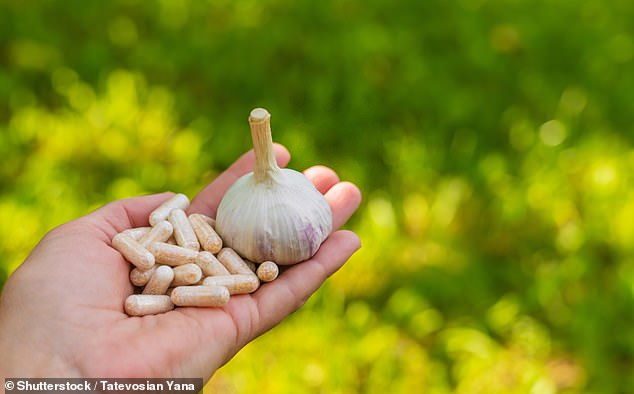
To address this issue, scientists have developed garlic supplements in the form of pills, capsules, and powders that are odorless and tasteless. These supplements, which range in price from $4 to $25 per bottle, are marketed for their convenience and ability to avoid the strong smell associated with fresh garlic. Recent research suggests that these supplements may offer similar heart-healthy benefits as raw garlic.
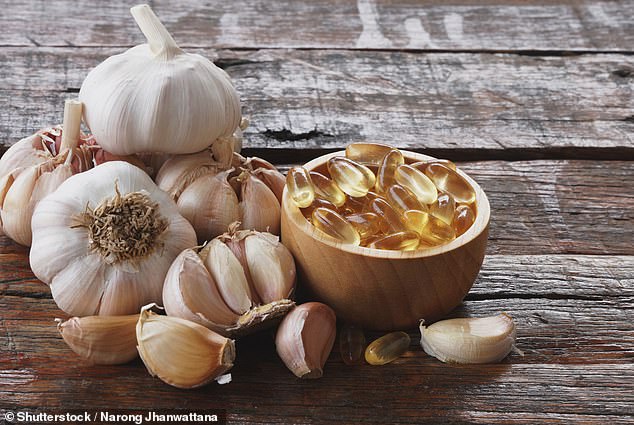
Garlic contains a bioactive compound called allicin, which is responsible for its distinct scent and flavor. Allicin has been shown to relax blood vessels and reduce the production of angiotensin II, a hormone that constricts blood vessels and raises blood pressure. This relaxation helps naturally lower blood pressure levels.
In addition, allicin inhibits liver enzymes that produce harmful LDL cholesterol and reduces the oxidation of LDL, a process that contributes to inflammation and the development of atherosclerosis. Garlic also stimulates the production of nitric oxide, which helps vascular smooth muscle relax, mimicking the effects of certain blood pressure medications.
While fresh garlic typically contains higher levels of allicin, concentrated forms of the compound are still present in supplements. A 2018 study found that the bioavailability of allicin in supplements varies widely, ranging from 26 to 111 percent depending on the product.
Dr Yoon Hang Kim, an integrative medicine physician based in Texas, explained that fresh garlic is complex and that crushing it releases allicin almost instantly. “Supplements, by contrast, come in different forms — garlic powder, aged garlic extract, and garlic oil — each with unique chemical profiles and varying levels of bioavailability,” he said.
Many garlic supplements contain around 600mg of odorless garlic extract per pill, which is equivalent to one or two standard cloves.
Recent studies have highlighted the potential heart health benefits of both raw and supplemental garlic. According to Dr Kim, “The most credible data points to modest but measurable cardiovascular benefits.”
A 2026 meta-analysis of 108 studies found that consuming raw, cooked, or supplemental garlic improved LDL cholesterol, blood pressure, and triglyceride levels, particularly in individuals at higher risk of heart disease.
A 2016 study published in the journal Integrated Blood Pressure Control examined 88 patients who took either aged garlic extract or a placebo for 12 weeks. The results showed significant improvements in blood pressure and arterial stiffness, a condition caused by loss of elasticity in artery walls due to factors like high blood pressure and aging.
Another 2024 study found that aged garlic extract led to notable reductions in blood pressure after 12 weeks, comparable to the effects of average vitamins B9 and B12 intake. Additionally, participants experienced improvements in stool consistency, suggesting that the prebiotic fiber in garlic helped promote healthy gut bacteria.
However, Dr Kim cautions that long-term data on garlic supplements is inconsistent. “No garlic supplement study has yet demonstrated a reduction in hard outcomes like heart attacks or strokes,” he noted. “Also, supplement quality varies significantly, with little regulatory oversight on how much active allicin a product actually delivers.”
Garlic and its supplements can also cause gastrointestinal issues due to the presence of fructans, a type of carbohydrate that can ferment in the gut. People with irritable bowel syndrome (IBS) are more likely to experience symptoms such as abdominal pain, bloating, nausea, and heartburn.
In rare cases, garlic and its supplements have been linked to excessive bleeding because they can interfere with blood clotting. “If you’re on blood thinners or planning surgery, mention it to your doctor,” Dr Kim advised. “And if you’re sensitive to sulfur compounds or following a low-sulfur diet, garlic in any form may not be suitable for you.”
For those who are not sensitive to fructans or sulfur compounds and do not mind the taste or smell of garlic, Dr Kim recommends choosing fresh garlic over supplements whenever possible. “It’s a whole food, affordable, and offers the full spectrum of benefits that garlic has to offer,” he said.



















